Hemp Fabric
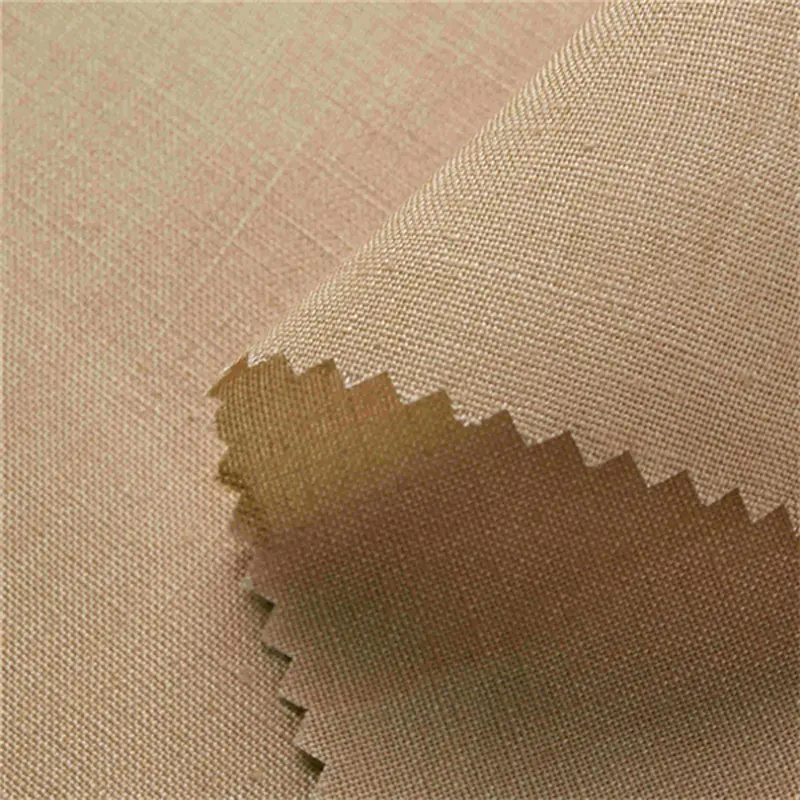
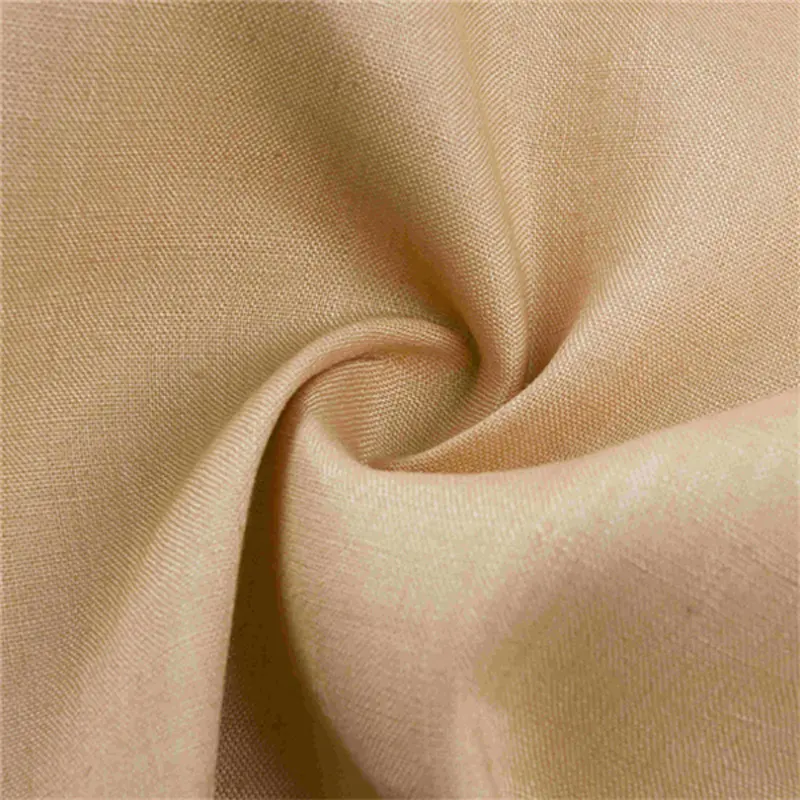
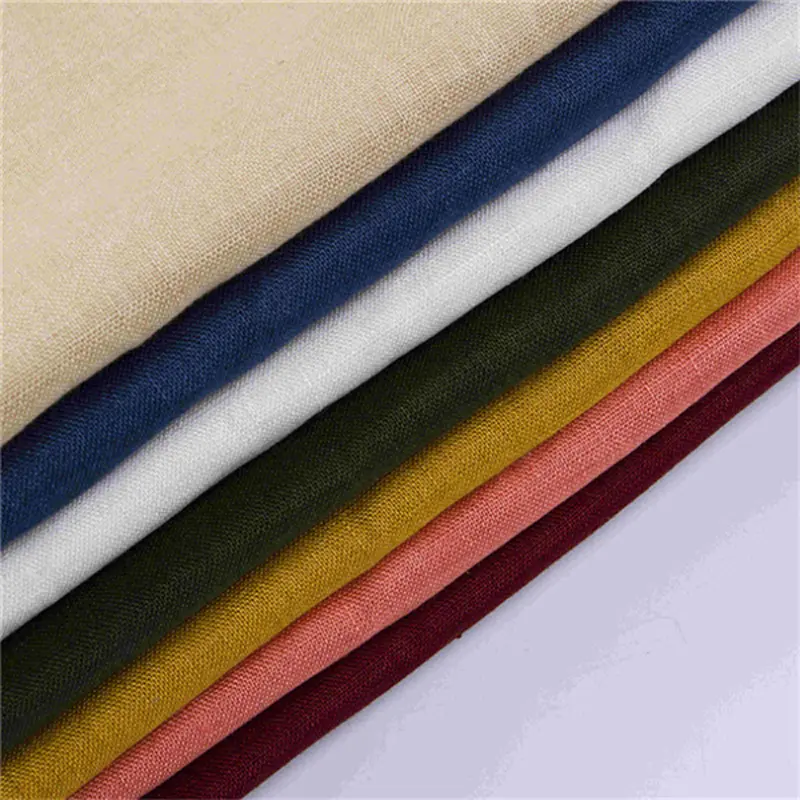
Composition: hemp and hemp-blended fabric. Width: 140–150 cm; sample available. Certificate: ISO 9001, ISO 14001, ISO 45001, Oeko-Tex Standard 100; fabric washing service available.
Composition: hemp and hemp-blended fabric. Width: 140–150 cm; sample available. Certificate: ISO 9001, ISO 14001, ISO 45001, Oeko-Tex Standard 100; fabric washing service available.
Brief introduction of the fabric:
Description: 100% hemp and hemp-blended cotton fabric for garments.
Overview: 100% hemp and hemp-blended cotton fabric for garment applications.
.
Material: 100% hemp / hemp-blended cotton
Fabric Type: plain, stain, twill
Technique: weaving
Feature: eco-friendly
Sample: A4 size and free sample available
Color: customized
Weight: 100–280 gsm (range)
Width: 44”–63” (range)
End use: shirts, dresses, trousers
Manufacture
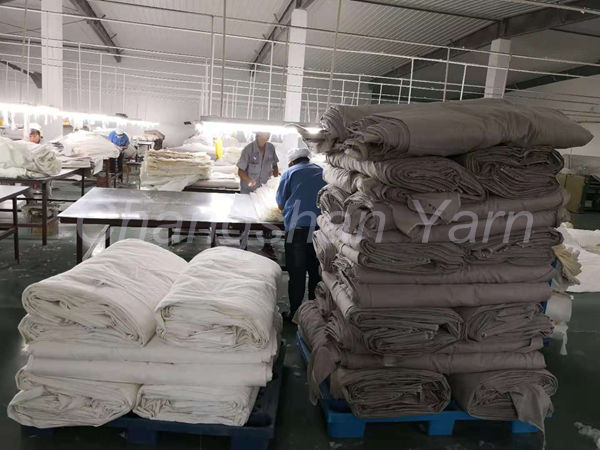
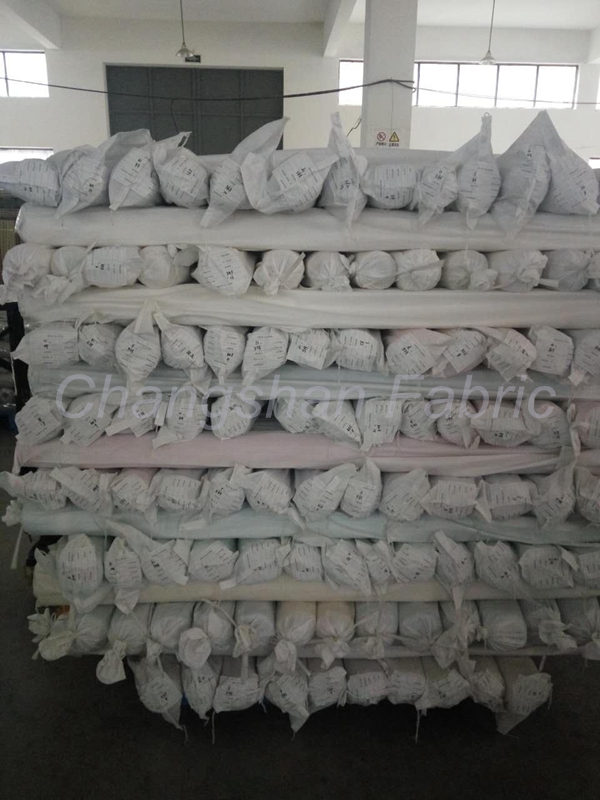
Packaging & Manufacture
Contact:

Our Culture
Why Choose Us?
1. How do you control product quality?
We have always placed great emphasis on quality control to ensure that excellent quality levels are maintained. Moreover, the principle we consistently follow is: “to provide customers with the best quality, best price, and best service.”
2. Do you offer OEM services?
Yes, we support OEM orders. This means that size, material, quantity, design, packing solution, and other details will be based on your requirements, and your logo can be customized on our products.
3. What is your competitive advantage?
We have extensive experience in foreign trade and have supplied various yarns for many years. We also operate our own factory, which makes our pricing highly competitive. In addition, we maintain a strict quality management system, with dedicated quality control staff for each process.
4. Can I visit your factory?
Of course. You are welcome to visit us at any time. We will arrange reception and accommodation for you.
5. Is there an advantage in price?
Yes. We are a manufacturer. We have our own workshops and production facilities. Based on extensive comparisons and client feedback, our pricing is more competitive.
Hemp Fabric vs Linen
As sustainable fashion and eco-friendly home textiles continue to gain popularity, many buyers compare hemp fabric and linen when choosing natural fibers. Both materials are plant-based, biodegradable, breathable, and highly valued in the textile industry. However, hemp fabric and linen differ significantly in durability, softness, environmental impact, and commercial applications.
Hemp fabric is produced from hemp plant stalks, while linen is made from flax fibers. One of the biggest advantages of hemp fabric is its exceptional strength. Hemp fibers are naturally longer and more durable than linen fibers, making hemp textiles highly resistant to wear and repeated washing. Many manufacturers prefer hemp for workwear, upholstery, reusable bags, and heavy-duty garments because of its long service life.
Linen, on the other hand, is known for its lightweight feel and luxurious appearance. Linen fabric typically feels softer and smoother against the skin, particularly after multiple washes. With excellent moisture absorption and cooling performance, linen is widely used in summer apparel, bedding, curtains, and premium fashion products. Consumers who prioritize comfort and refined style often choose linen over hemp.
From a sustainability perspective, both fabrics perform well under modern environmental expectations. Hemp is widely regarded as one of the most eco-friendly textile crops because it grows quickly, requires minimal pesticides, and consumes less water than conventional cotton. Linen production is also environmentally responsible, although flax cultivation generally requires more time and labor due to processing steps.
In terms of pricing, linen is usually more expensive due to the complex harvesting and fiber extraction process. Hemp fabric has become increasingly cost-competitive as global hemp textile manufacturing technology advances. Today, many brands even blend hemp and linen to combine linen’s softness with hemp’s durability.
When comparing hemp fabric vs linen, there is no single “better” option. Hemp is ideal for durability, sustainability, and industrial applications, while linen excels in softness, breathability, and luxury appeal. The best choice depends on intended use, target market, and customer preference.
Why Choose Hemp Fabric for Sale
As sustainability becomes a core focus across the global textile industry, hemp fabric is rapidly emerging as a preferred material for fashion brands, home textile manufacturers, and industrial fabric buyers. Companies seeking reliable hemp fabric wholesale solutions increasingly value suppliers with strong manufacturing capabilities, technical innovation, and extensive textile experience. One strong example is Shijiazhuang Changshan Textile, a leading enterprise with more than 60 years of textile manufacturing history and advanced production technology in China.
Originally restructured in 1998 and listed on the Shenzhen Stock Exchange in 2000, Changshan Beiming has developed into a large-scale enterprise integrating textile and technology businesses. With over 450,000 spindles, more than 1,000 advanced air-jet dobby looms, and over 100 large jacquard looms, the company has world-class production capacity for premium yarns and fabrics. Its manufacturing technologies include compact spinning, siro spinning, eddy spinning, and ring spinning, enabling consistent quality and high-performance textile solutions for global customers seeking dependable hemp fabric suppliers.
One key reason businesses choose to purchase hemp materials is the growing demand for environmentally responsible textiles. Hemp fiber is naturally breathable, durable, and biodegradable, and generally requires significantly less water and fewer chemicals than traditional cotton production. Changshan Textile combines hemp fiber with innovative materials such as pearl fiber, milk fiber, modal fiber, and bamboo fiber to develop differentiated eco-friendly yarns and functional fabrics that meet modern sustainability requirements.
The company’s strong research and development capabilities further strengthen its competitive position in the bulk hemp fabric market. Changshan Textile operates academician workstations, national enterprise technology centers, and nationally accredited laboratories, supported by 132 authorized patents. Its focus on “specialized, refined, innovative, and high-end” textile development enables the company to supply functional apparel fabrics, premium home textiles, and industrial textiles to international markets.
Quality and credibility are also important factors when selecting hemp fabric suppliers. Changshan Textile has received numerous industry honors, including the Hebei Provincial Government Quality Award, the National Textile Industry Quality Award, and the National Textile Product Development Contribution Award. Multiple products have been recognized as popular fabrics in China, reinforcing the company’s reputation for innovation and manufacturing excellence.
For brands, wholesalers, and textile importers looking for long-term supply stability, sustainable production, and advanced fabric innovation, choosing a trusted hemp fabric manufacturer such as Changshan Textile supports both strategic business needs and environmentally responsible manufacturing.
Types of Hemp Fabric: A Complete Guide for Sustainable Textiles
Hemp fabric is among the fastest-growing sustainable textile materials in the global market. As eco-friendly fashion, biodegradable fabrics, and low-impact manufacturing receive greater attention, more clothing brands and textile importers are exploring different types of hemp fabric for commercial use. Known for durability, breathability, and responsible production, hemp textiles are now widely used in apparel, home furnishings, footwear, and industrial applications.
One of the most popular options is 100% hemp fabric, valued for its exceptional strength and natural antibacterial properties. Pure hemp textiles are highly breathable, moisture-wicking, and resistant to wear, making them suitable for shirts, trousers, tote bags, workwear, and home décor products. Many sustainable fashion brands also prefer pure hemp because it typically requires less water and fewer pesticides than conventional cotton production.
Another common category is hemp cotton blended fabric. By blending hemp fibers with cotton, manufacturers create textiles that feel softer and lighter while maintaining durability and sustainability benefits. Hemp cotton fabrics are frequently used for casual wear, baby apparel, T-shirts, and summer garments due to their comfortable texture and improved flexibility.
For premium and luxury markets, hemp silk fabric offers a more refined solution. This blend combines silk’s smooth feel and elegant drape with the strength of hemp fibers, resulting in a high-end sustainable textile suitable for dresses, scarves, and designer fashion collections. Similarly, hemp linen fabric is appreciated for its natural texture and rustic appearance, making it popular for upholstery, curtains, bedding, and eco-inspired interior design.
In performance apparel and industrial sectors, hemp polyester blends are widely used for their wrinkle resistance, elasticity, and long-lasting performance. These fabrics are suitable for sportswear, outdoor gear, uniforms, and functional work clothing where durability is essential. Some suppliers also provide organic hemp fabric aligned with international textile standards to support increasing demand for environmentally friendly and ethically sourced materials.
Advances in modern textile technology have significantly expanded the range of hemp fabrics available on the market. Buyers can source woven hemp fabrics, knitted hemp textiles, hemp canvas, lightweight hemp blends, and customized eco-friendly materials in various weights, colors, and finishes. As sustainability continues to influence purchasing decisions worldwide, understanding different types of hemp fabric helps brands and distributors select the right textile solutions for both performance and environmental responsibility.
Applications of Hemp Fabric
Hemp fabric has become one of the most discussed sustainable textiles in both the global fashion and industrial materials markets. Known for durability, breathability, and environmentally friendly production, hemp textiles are widely used across multiple industries. As consumers and manufacturers increasingly prioritize eco-conscious materials, hemp fabric applications continue to expand rapidly.
One of the most common applications of hemp fabric is in the fashion industry. Hemp fibers produce soft yet highly durable clothing suitable for shirts, pants, jackets, dresses, and activewear. Compared with conventional cotton, hemp fabric offers better moisture absorption, natural antibacterial properties, and improved resistance to wear and tear. Many sustainable fashion brands incorporate hemp blends into their collections to reduce environmental impact while maintaining product quality.
Beyond apparel, hemp fabric is also widely used in home textiles. Hemp-based materials are popular for bedding, curtains, upholstery, towels, and table linens due to their natural texture and long service life. The fabric typically becomes softer with repeated washing while still maintaining structural strength, making it ideal for long-term household use. In addition, hemp’s natural resistance to mold and UV exposure makes it suitable for outdoor furniture fabrics and decorative applications.
The industrial sector also benefits from hemp textile applications. Hemp fabric can be used for eco-friendly bags, canvas, ropes, insulation materials, and biodegradable packaging products. Due to hemp’s high tensile strength, hemp fiber is increasingly used in automotive composites and sustainable construction materials. These practical applications highlight hemp’s versatility beyond traditional clothing manufacturing.
In recent years, the wellness and eco-lifestyle industries have further increased demand for hemp fabric products. Consumers looking for natural, chemical-free, and biodegradable materials often choose hemp-based textiles for baby clothing, reusable shopping bags, yoga accessories, and personal care products. As sustainability regulations become stricter worldwide, hemp fabric is expected to play an even more important role in future textile innovation.
With its combination of sustainability, functionality, and durability, hemp fabric continues to earn recognition as a premium alternative to synthetic and resource-intensive textiles. Businesses investing in hemp textile products can meet growing market demand while supporting environmentally responsible manufacturing practices.
Hemp Fabric FAQs
Is hemp fabric environmentally friendly?
Yes. Hemp fabric is considered one of the most sustainable textile materials available today. Hemp plants typically require less water, fewer pesticides, and minimal fertilizers compared with conventional cotton. In addition, hemp grows quickly and can help improve soil quality, making it an eco-friendly choice for sustainable textile production.
Is hemp fabric durable?
Yes. Hemp fabric is highly durable and known for its excellent tensile strength. Clothing and textile products made from hemp fibers often last longer than many traditional fabrics. Over time, the material also becomes softer without losing its structural integrity.
Is hemp fabric comfortable to wear?
Modern hemp fabric is soft, breathable, and comfortable for everyday wear. Improvements in textile processing technology have enhanced the overall hand-feel of hemp fibers, making hemp clothing suitable for casual wear, activewear, and even luxury fashion applications.
Does hemp fabric shrink after washing?
Hemp fabric may experience slight shrinkage during the first wash, particularly if it has not been pre-shrunk during manufacturing. Following the care instructions provided by the manufacturer can help minimize shrinkage and maintain fabric quality.
What are the main uses of hemp fabric?
Hemp fabric is widely used in clothing, home textiles, bags, upholstery, industrial materials, and eco-friendly packaging. It is also increasingly popular in sustainable fashion, wellness products, and biodegradable consumer goods.
Is hemp fabric better than cotton?
Hemp fabric offers several advantages over traditional cotton, including higher durability, better moisture absorption, natural antibacterial properties, and a lower environmental impact. However, the best option depends on the intended application, comfort preferences, and budget requirements.
Can hemp fabric be blended with other fibers?
Yes. Hemp fibers are often blended with cotton, linen, silk, polyester, or recycled fibers to improve softness, flexibility, and performance characteristics. Hemp blend fabrics are commonly used in fashion and home textile products.
Why is hemp fabric becoming more popular?
Growing consumer awareness of sustainability, eco-friendly manufacturing, and long-lasting textile performance has increased global demand for hemp fabric. Many brands and manufacturers now regard hemp as a key material for future sustainable textile development.