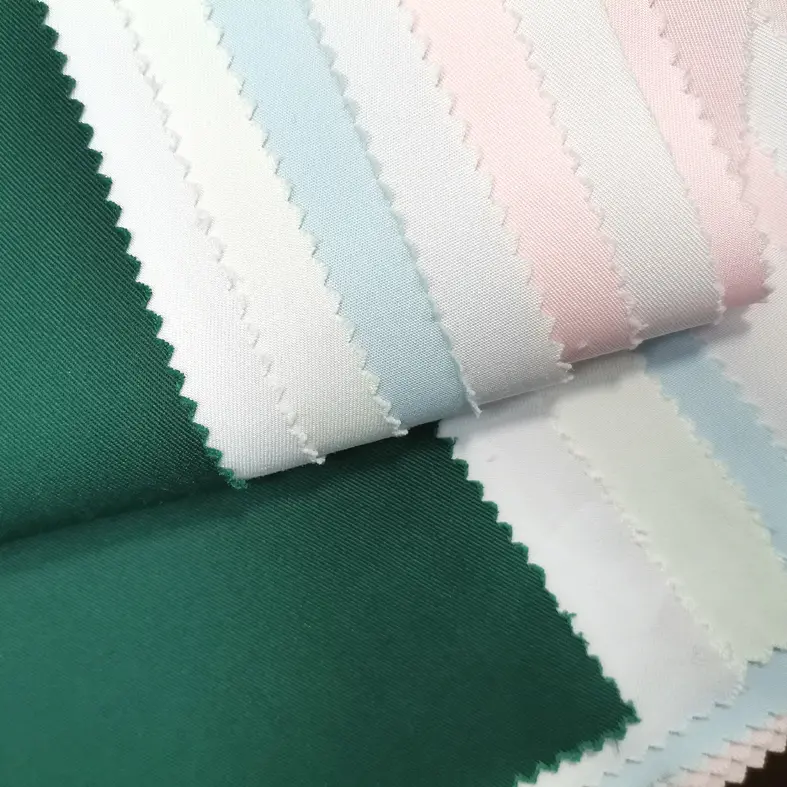
When examining the architecture of any textile, the conversation invariably begins with the foundational element: the strand. To answer the question what is yarn, one must look beyond the simple image of a spool of thread and see it as a precision-engineered precursor to fabric.
In the modern manufacturing landscape, yarn is no longer just a twisted fiber; it is a vehicle for functionality. From antibacterial properties in medical settings to graphene-integrated thermal regulation, the chemical and physical composition of the yarn determines whether a garment is merely wearable or fundamentally protective.
This exploration delves into the technical evolution of yarn production, how selection impacts high-performance textiles, and the role of specialized spinning in industrial applications.
The Fundamental Mechanics of Yarn

At its core, yarn is a continuous strand of textile fibers, produced by twisting or braiding fibers together. This twisting process is critical because it provides the tensile strength necessary for the yarn to survive the mechanical stress of weaving and knitting looms.
The transformation starts with raw fibers—whether natural like cotton or synthetic like polyester. Through various spinning methods such as ring spinning, compact spinning, or air-jet spinning, these fibers are aligned and locked. The resulting yarn serves as the essential building block for everything from simple shirt fabrics to complex medical-grade uniforms.
Structural Variables in Yarn Engineering
The performance of a finished fabric is decided long before the loom starts; it is decided during the yarn's design phase. Key variables include the "twist per inch" (TPI), which affects the yarn's hardness and luster, and the "linear density" (count), which determines the thickness and weight of the resulting textile.
Advanced manufacturing now utilizes differentiated fibers. For instance, blending bamboo or modal fibers with polyester creates a hybrid yarn that balances the breathability of natural materials with the durability and crease-resistance of synthetics. This precision allows for the creation of "matting yarns" that provide moderate thickness, ensuring garments are breathable yet opaque.
Furthermore, the integration of functional additives occurs at the yarn level. Whether it is adding permanent anti-static agents or antibacterial copper ions, treating the yarn ensures that the functionality is embedded throughout the fabric, rather than just as a surface coating that could wash away.
The Transition from Fiber to Functional Yarn
The shift from traditional cotton spinning to high-tech functional yarn reflects a broader industry move toward "specialty and precision." In specialized sectors, the yarn must do more than provide structure; it must interact with the environment.
The efficacy of professional uniforms, particularly in medical settings, depends on the yarn's ability to maintain anti-static and antibacterial properties through repeated industrial washing, requiring permanent chemical bonding at the fiber level.
This is why technologies like warp knitting are paired with specific yarn types. When a high-grade matting yarn is processed through warp knitting, the result is a fabric with superior dimensional stability and anti-pilling characteristics, essential for high-wear environments.
Performance Indices Across Yarn Types
Different yarn compositions prioritize different physical outcomes. While a pure polyester yarn maximizes strength and quick-drying capabilities, a blend of T/C (polyester and cotton) aims for a balance between comfort and industrial resilience.
To evaluate the suitability of a yarn for a specific project, manufacturers often use a relative performance index. This assesses factors such as moisture absorption, tensile strength, and anti-static capability to ensure the final fabric meets the required technical specifications.
Figure 2. Comparative Yarn Performance Index
Application Scenarios: From Casual to Clinical
In casual garment production, the priority for yarn selection is often hand-feel and drape. Here, modal and bamboo fibers are favored for their softness. However, in a clinical setting, such as hospital uniforms, the yarn requirements shift toward safety and hygiene.
For professional medical wear, the yarn must support antibacterial and anti-static finishes. This prevents the buildup of static electricity in electronic-heavy environments and reduces the risk of cross-contamination. The use of high-grade matting yarn ensures that the fabric is breathable for the wearer while remaining light-tight to maintain professional modesty.
Next-Generation Yarn Trends
The industry is currently moving toward "smart yarns" that can respond to external stimuli. Graphene products are leading this charge, offering yarns that can conduct heat or electricity, potentially integrating health-monitoring sensors directly into the fabric's structure.
Sustainability is another primary driver. There is a significant increase in the adoption of GOTS-certified organic fibers and recycled polyester. The challenge lies in maintaining the same tensile strength and dye-affinity as virgin synthetic yarns while reducing the environmental footprint.
We are also seeing a rise in "hybridized spinning," where multiple fiber types are combined in a single strand to achieve contradictory goals—such as a yarn that is simultaneously hydrophobic on the outside and hydrophilic on the inside for superior moisture management.
Strategic Selection Framework
Selecting the right yarn requires a trade-off analysis between cost, durability, and specific functional requirements. A manufacturer cannot maximize all parameters; for example, increasing the softness of a yarn often decreases its abrasion resistance.
The decision framework should start with the end-use scenario. A workwear fabric intended for industrial use will prioritize high-denier polyester yarns for tear resistance, whereas a home textile fabric will prioritize fiber fineness for skin comfort.
By analyzing the relative suitability of different yarns across various technical dimensions, procurement teams can avoid the common mistake of over-specifying a product, which leads to unnecessary costs without adding tangible value to the end-user.
| Application | Primary Yarn Requirement | Recommended Material | Key Trade-off |
|---|---|---|---|
| Medical Uniforms | Anti-static / Antibacterial | Polyester/Cotton Blend | Breathability vs. Opacity |
| Industrial Workwear | High Tensile Strength | Heavy-duty Polyester | Durability vs. Weight |
| Home Bedding | Skin Comfort / Softness | Bamboo / Modal Fiber | Luster vs. Shrinkage |
| Casual Shirts | Drape / Easy Care | T/C Blends | Cost vs. Hand-feel |
| High-Tech Gear | Thermal Regulation | Graphene Integrated | Performance vs. Price |
| Pocket Lining | Thinness / Smoothness | Fine-count Polyester | Strength vs. Thickness |
Questions & Answers
Fiber is the raw, smallest unit of a textile (like a single cotton hair or a polyester filament). Yarn is the result of processing these fibers—typically through spinning and twisting—into a continuous, strong strand. While fibers provide the basic characteristics (like softness), the yarn structure provides the strength and stability needed to weave or knit a fabric.
Anti-static yarns are created by incorporating conductive materials or permanent chemical agents into the fiber structure. These additives allow static electricity to dissipate across the surface of the fabric rather than building up in one spot. In hospitals, this is critical to prevent sparks and interference with sensitive electronic medical equipment.
Matting yarn is a high-grade yarn designed to reduce the reflective luster of synthetic fibers. In professional uniforms, it is used to create a more sophisticated, matte appearance. More importantly, it provides the necessary thickness to ensure the garment is not transparent (anti-light transmission) while remaining breathable.
For high-durability workwear, compact spinning or ring spinning is often preferred because they create a denser, more tightly twisted yarn with fewer protruding fibers. This reduces pilling and increases the yarn's resistance to abrasion, ensuring the final fabric can withstand harsh industrial environments.
It depends on the application method. Surface coatings wash away quickly. However, when anti-static or antibacterial agents are added scientifically during the yarn production process—creating a permanent bond with the polymer—the properties are significantly more resistant to industrial laundering and repeated wear.
Graphene is transforming yarn from a passive material into an active one. Because graphene is highly conductive and strong, it allows for the creation of yarns that can regulate temperature, shield against electromagnetic interference, or even act as sensors, moving the industry toward "wearable technology" integrated at the fiber level.
Final Thoughts
Understanding the complexities of yarn is essential for any professional in the textile supply chain. The journey from a raw fiber to a finished garment is a series of calculated technical decisions, where the choice of yarn determines the fabric's ultimate utility, longevity, and safety.
As we move toward a future of sustainable and smart textiles, the focus will shift even further toward the molecular engineering of yarns. Whether producing medical uniforms or high-end home textiles, the foundation of quality always remains the integrity of the yarn.