Pocketing and Lining Fabric
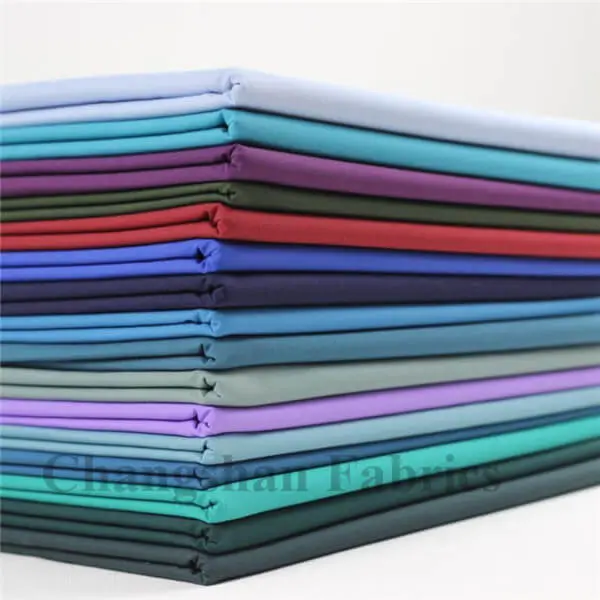
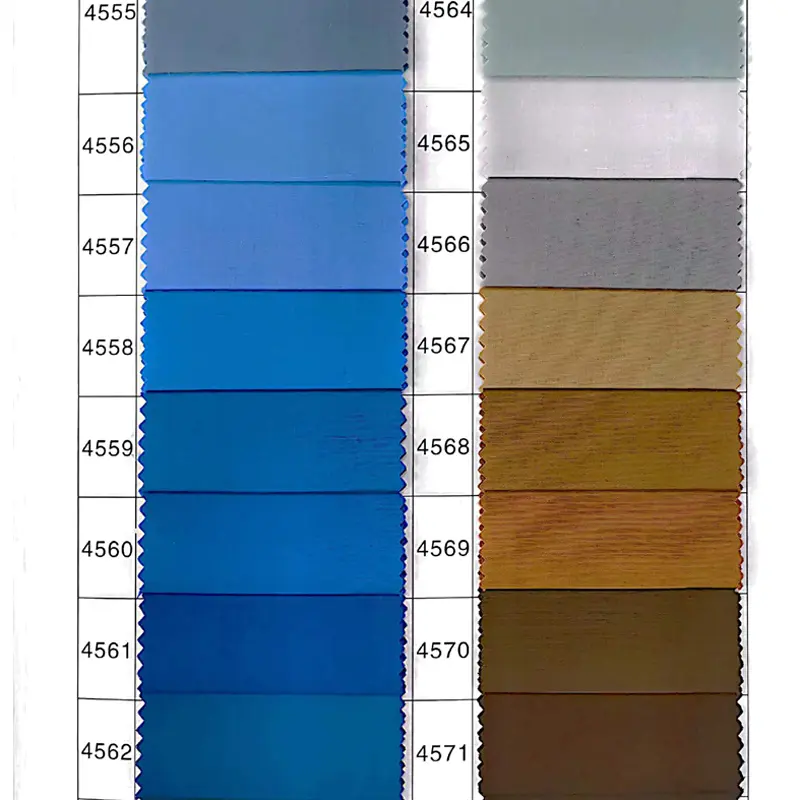
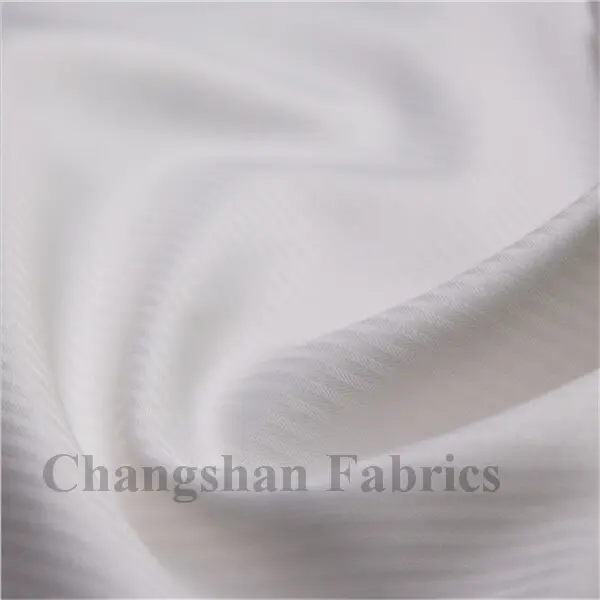
Our pocketing and lining fabric is designed to deliver durability, comfort, and a smooth finish for garments. It is made from 100% cotton, polyester-cotton blends, or polyester, and combines lightweight feel with strong wear resistance and breathability.
Our pocketing and lining fabric is designed to deliver durability, comfort, and a smooth finish for garments. It is made from 100% cotton, polyester-cotton blends, or polyester, and combines lightweight feel with strong wear resistance and breathability.
T/C 65/35 or 80/20 Pocketing Fabric and Lining (110*76 or 96*72)
Material: TC 65/35 or 80/20
Fabric Type: Plain, herringbone
Feature: Eco-Friendly
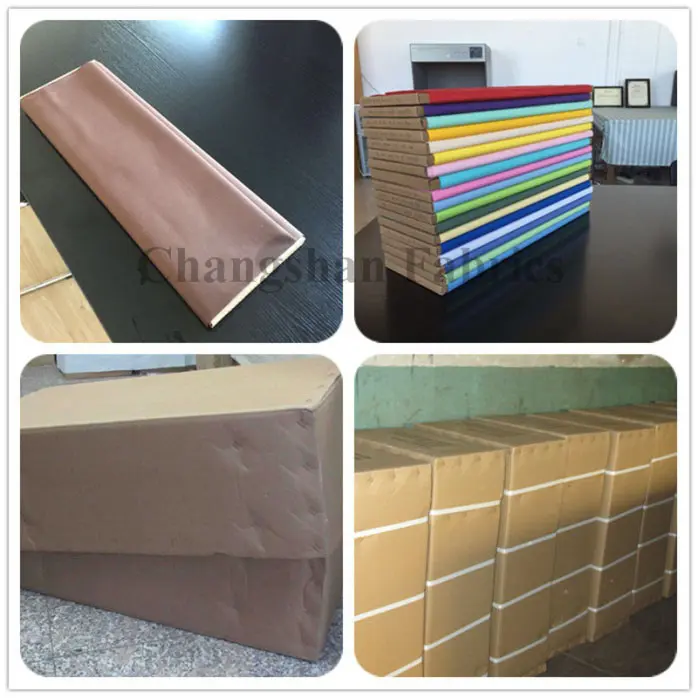
Sample: A4 size and free sample
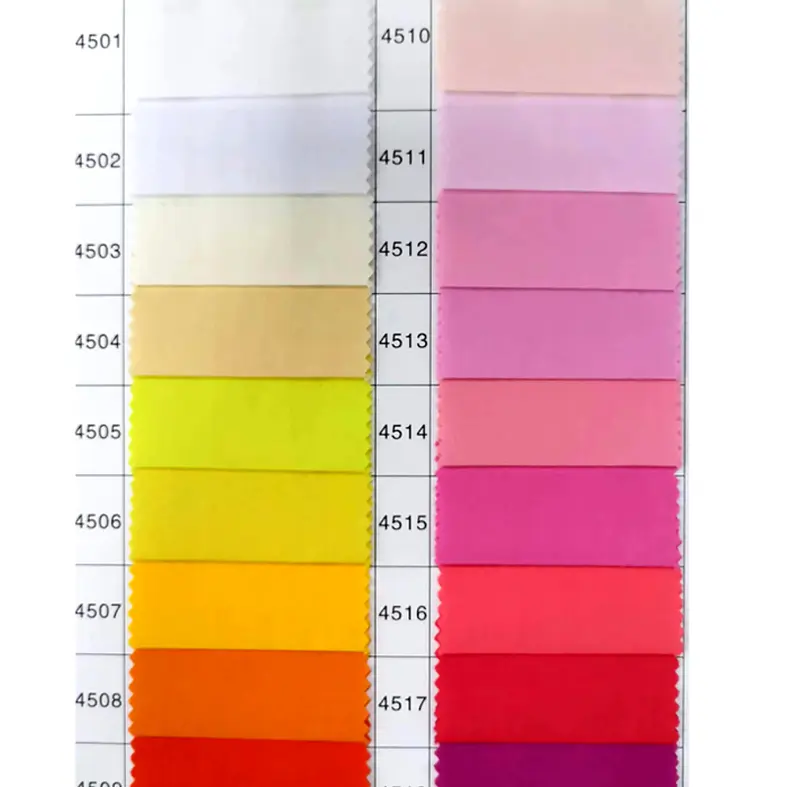
Color: Customized
Width: 150 cm
End use: Pocketing and lining
Packaging, Delivery, and Shipment
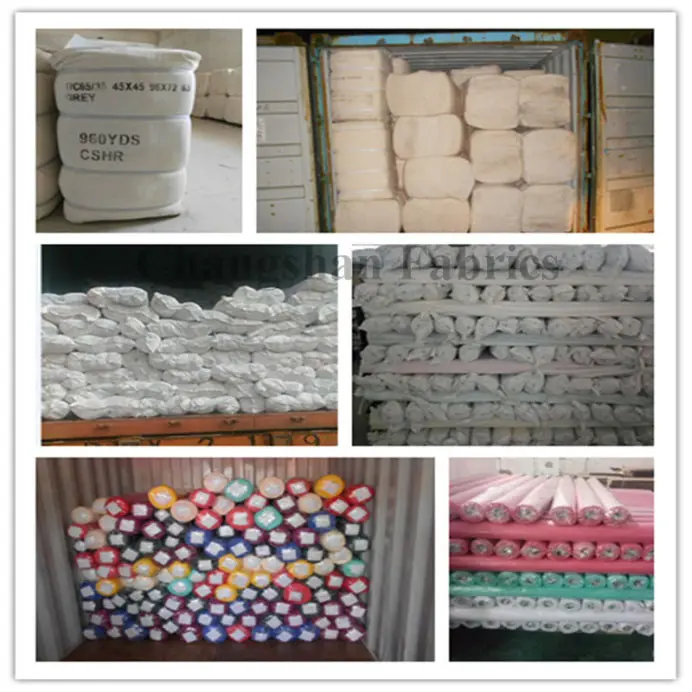
Packaging Details: Inside PE bag, outside woven bag, etc.
Lead Time: Approximately 35–40 days
Shipping: By express, by air, or by sea, according to your request
Seaport: Any port in China
What Material for Pocket Lining?
Pocket lining fabrics must be durable, lightweight, and comfortable because they are subject to constant friction and movement inside garments. Common materials used for pocket linings include:
Soft, breathable, and natural
Comfortable against the skin
Durable when woven tightly
Often used in casual and higher-end garments
Polyester or Polyester Blends (Polyester/Cotton, i.e., TC Fabric)
Strong, lightweight, and wrinkle-resistant
More durable and abrasion-resistant than pure cotton
Often used in workwear and uniforms for long service life
Dries quickly and resists shrinking
Very durable and smooth
Lightweight and resistant to tearing
Common in sportswear and outdoor clothing pockets
These are fabric weave types rather than base materials, and are often made from cotton, polyester, or blends.
Poplin is smooth and crisp
Twill is sturdy with diagonal ribs, offering enhanced durability
For comfort and breathability, 100% cotton or cotton blends are preferred.
For durability and long-term performance, polyester or nylon linings are excellent choices.
Many manufacturers choose polyester/cotton blends for a balanced combination of comfort and durability.
What Is the Definition of Pocket Lining Fabric?
Pocket lining fabric refers to the inner textile material used to form the inside structure of pockets in garments such as trousers, jeans, jackets, uniforms, skirts, and workwear. Although it is usually hidden from view, pocket lining fabric plays a critical role in garment durability, comfort, appearance, and overall functionality. In the apparel manufacturing industry, selecting the right pocket lining material directly impacts garment quality and customer satisfaction.
Typically, pocket lining fabrics are lightweight yet strong textiles designed to withstand repeated friction from daily use. Common materials include cotton, polyester, poly-cotton blends, and sometimes recycled fibers for sustainable fashion applications. High-quality pocket lining fabric should offer excellent tear resistance, breathability, colorfastness, and dimensional stability after washing.
In modern garment production, pocket lining fabric is not simply an accessory material. It is an important component for improving product performance and reducing manufacturing costs. For example, denim manufacturers often use durable polyester-cotton pocketing fabric to help prevent holes caused by coins, keys, or mobile phones. Luxury fashion brands may choose soft combed cotton lining fabrics to enhance wearing comfort and deliver a premium feel.
The structure and weave of pocket lining fabric also vary depending on the end-use application. Plain weave pocketing fabric is one of the most common options because it provides a balance between strength and cost. Twill weave options offer additional durability for heavy-duty workwear and industrial uniforms. Some technical garments even use antimicrobial or moisture-wicking pocket lining fabrics to improve hygiene and comfort.
From a sourcing perspective, apparel manufacturers typically evaluate pocket lining fabrics based on fabric weight, yarn count, shrinkage control, environmental compliance, and consistency for bulk production. As global consumers increasingly focus on garment quality and sustainability, eco-friendly pocket lining materials made from recycled polyester or organic cotton are gaining popularity in the textile market.
In summary, pocket lining fabric is the hidden but essential textile layer used inside garment pockets to provide strength, structure, comfort, and long-term durability. Whether for fashion apparel, uniforms, or denim products, choosing the right pocket lining fabric is a key factor in producing high-quality clothing that meets modern customer expectations.
Why Pocketing Lining Fabric Matters in Modern Garment Manufacturing
In modern apparel production, the quality of pocketing lining fabric plays a far greater role than many buyers expect. While consumers often focus on outer fabrics, experienced garment manufacturers understand that durable and comfortable pocket structures directly affect the overall performance of trousers, uniforms, jackets, jeans, and workwear. Choosing the right pocketing fabric is important not only for durability, but also for comfort, appearance, and long-term customer satisfaction.
High-quality pocket lining fabric helps prevent tearing, deformation, and seam damage caused by repeated daily use. In sectors such as workwear, school uniforms, and industrial clothing, pockets are exposed to constant friction and heavy loading. Inferior pocket lining material may wear out quickly, leading to costly product complaints and reduced brand credibility. For this reason, many apparel factories prioritize strong yet lightweight pocket fabric during product development.
Among the most popular options in the textile market, 100 TC soft lining suppliers are increasingly recognized for providing fabrics that balance softness, breathability, and tensile strength. A properly engineered pocketing lining fabric improves hand feel while maintaining excellent sewing performance on automated production lines. This is especially important for large-scale garment manufacturing, where efficiency and consistency are critical.
Another reason pocketing fabric matters is production stability. Reliable pocket lining material helps reduce cutting errors, improves stitching precision, and minimizes shrinkage issues during washing or finishing. Manufacturers producing high-volume denim, formal wear, or cargo pants often require customized pocket fabric solutions based on garment weight, end-use environment, and washing standards.
Today, international buyers are also placing greater emphasis on sustainability and fabric quality requirements. Professional pocketing lining fabric suppliers increasingly offer eco-friendly dyeing, colorfast materials, and customized compositions to meet export needs in Europe, North America, and Southeast Asia. As global garment competition becomes more quality-driven, selecting the right pocket lining fabric has become an important part of building durable, comfortable, and premium apparel products.
For garment brands and manufacturers, investing in reliable pocketing fabric is no longer a minor detail—it is a key factor in improving product quality, reducing after-sales issues, and strengthening long-term market competitiveness.
Cotton Pocketing Fabric vs. Polyester Pocketing Fabric: Which Is Better?
When comparing cotton pocketing fabric and polyester pocketing fabric, the “better” option depends entirely on the intended garment application, performance expectations, and cost structure. Both materials are widely used in apparel manufacturing—especially for trousers, jackets, uniforms, and workwear—but they provide different user experiences in terms of comfort, durability, and maintenance.
Cotton pocketing fabric is a natural-fiber option known for excellent breathability and moisture absorption. It allows air circulation inside garments, helping reduce heat build-up and improving wearing comfort, particularly in warm or humid conditions. Due to its soft hand feel and skin-friendly properties, cotton pocketing is often chosen for mid-to-high-end tailoring where comfort is a priority. However, cotton has limitations: it tends to shrink after washing, wrinkles more easily, and generally requires more careful finishing during production to maintain dimensional stability. These factors can increase manufacturing complexity and overall cost.
In contrast, polyester pocketing fabric is a synthetic textile engineered for strength, consistency, and long-term durability. It provides excellent resistance to abrasion, tearing, and deformation, making it suitable for garments subjected to frequent use or industrial laundering. Polyester maintains its shape well, dries quickly, and is less prone to wrinkling, which supports longer garment life and reduces aftercare requirements. However, compared with cotton, polyester generally offers lower breathability, which may create a less comfortable internal garment environment—particularly in direct-contact pocket areas during extended wear.
In practical garment development, manufacturers typically make decisions based on functional zoning. Cotton pocketing is commonly selected where comfort and skin contact matter most, while polyester is preferred for higher-stress zones where durability and cost efficiency are critical. In some cases, blended fabrics are used to balance softness with structural strength, offering a compromise between the two materials.
From a lifecycle perspective, cotton is biodegradable but can be resource-intensive to produce, while polyester is more energy-dependent during manufacturing but often delivers a longer service life due to its durability. Sustainability considerations should therefore include both production impact and product lifespan.
Ultimately, the choice between cotton and polyester pocketing fabric is not about universal superiority—it is about suitability. Cotton performs best in comfort-focused, premium garments, while polyester is more effective for performance-driven and cost-sensitive applications.
Pocketing Lining Fabric FAQs
1. What is pocketing lining fabric used for?
Pocketing lining fabric is used to construct the interior pockets of garments such as trousers, jackets, coats, and uniforms. Its primary function is to provide structural support, help prevent pocket bag distortion, and improve overall garment durability while ensuring a smooth internal finish.
2. What materials are commonly used for pocketing fabric?
The most common materials include cotton, polyester, and poly-cotton blends. Cotton offers breathability and comfort, polyester provides strength and shape retention, while blends aim to balance softness with durability and cost efficiency.
3. Why is pocketing fabric important for garment quality?
Even though it is not visible externally, pocketing fabric significantly affects garment performance. Poor-quality pocketing can lead to tearing, sagging, or uncomfortable wear. High-quality lining helps ensure pockets maintain their shape and withstand repeated use without deformation.
4. Is cotton or polyester better for pocketing lining?
It depends on the application. Cotton is often preferred for comfort-focused garments because it is breathable and soft. Polyester is often preferred for heavy-duty or cost-sensitive garments due to its abrasion resistance and dimensional stability. Many manufacturers select based on garment category rather than a single “best” option.
5. What is the difference between pocketing fabric and general lining fabric?
Pocketing fabric is specifically engineered for pocket bags, requiring higher strength and tighter weave to withstand stress. General lining fabric is used across larger interior garment areas for comfort and aesthetics and may not require the same level of durability.
6. How do you choose the right pocketing fabric?
Selection depends on garment type, end-user expectations, and budget. Key factors include tensile strength, shrinkage control, breathability, and hand feel. For premium apparel, comfort is prioritized; for workwear, durability and cost efficiency are more important.
7. Can pocketing fabric affect garment lifespan?
Yes. Because pockets are high-stress areas, low-quality pocketing fabric may fail early—even if the outer fabric is strong. High-quality pocketing can significantly extend garment usability and reduce the frequency of repairs or replacements.
Company Information