Cotton Blended Shirting Fabric
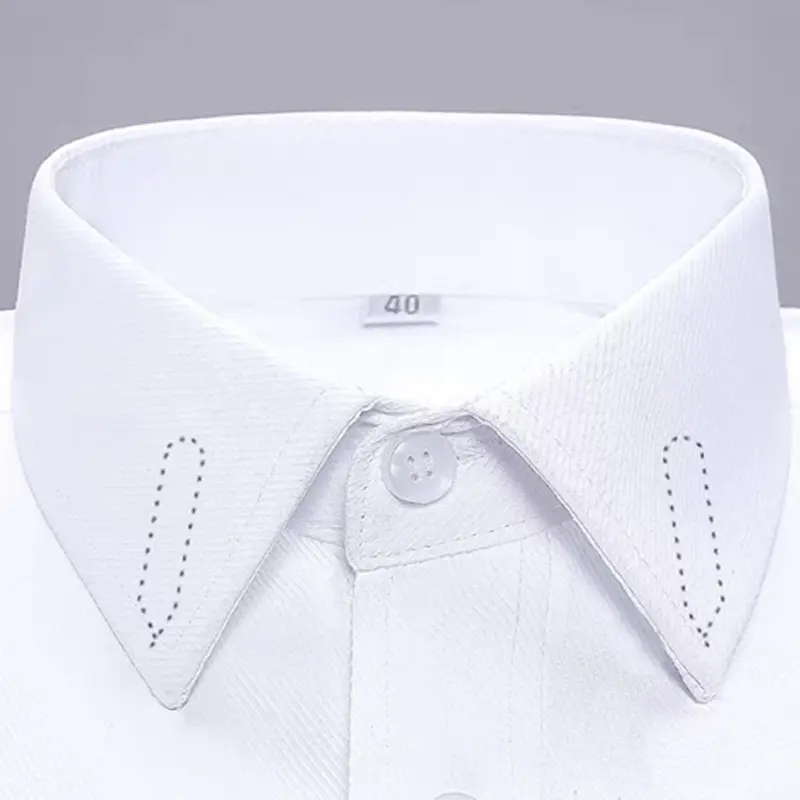
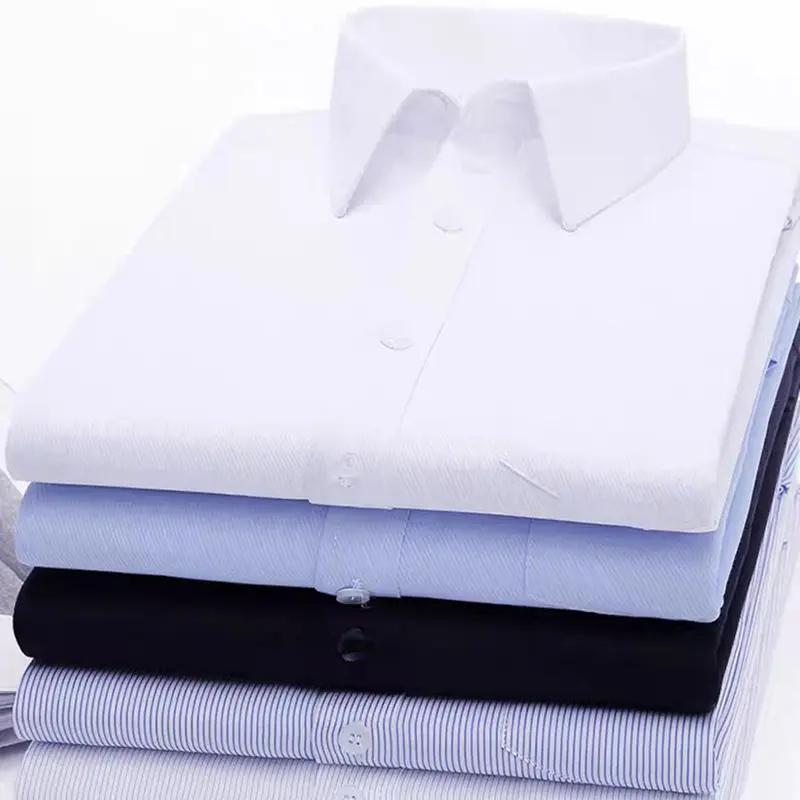
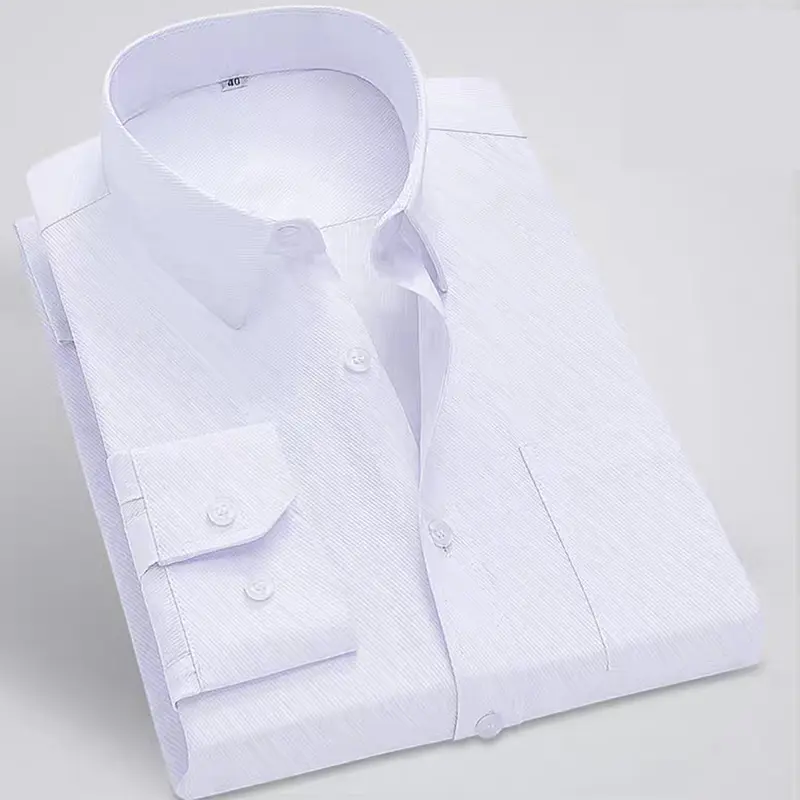
Our cotton-blended shirting fabric is made from natural cotton and polyester fibers for comfort, durability, and easy care in modern apparel. Available in common blends such as 65% polyester / 35% cotton or 60/40, it combines cotton’s softness and breathability with polyester’s strength, wrinkle resistance, and quick-drying performance.
Our cotton-blended shirting fabric is made from natural cotton and polyester fibers for comfort, durability, and easy care in modern apparel. Available in common blends such as 65% polyester / 35% cotton or 60/40, it combines cotton’s softness and breathability with polyester’s strength, wrinkle resistance, and quick-drying performance.
Cotton Blended Shirting
Product name: Cotton Blended Shirting Fabric
Material: Polyester and combed cotton blend, CVC, TC; 100% combed cotton
Fabric Type: Plain, Twill, Satin, Dobby, Ribstop, Herringbone
Technics: Plain dyed and yarn dyed
Features: Eco-friendly, pre-shrunk, mercerized, anti-wrinkle, pilling resistance, anti-bacterial, and water repellence
Sample: A4 size and free sample
Color: Customized
Weight: 125 gsm to 240 gsm
Width: 150 cm
End Use: Uniform shirt
Contact: WhatsApp: +86 159 3119 8271
Wechat: Kewin10788409
Location: Changan, Shijiazhuang, Hebei, China
What Is the Difference Between Poly Cotton and Cotton Blend Fabric?
Many customers wonder about the difference between poly cotton and cotton blend fabric. In fact, poly cotton is a type of cotton blend fabric, but not all cotton blends are poly cotton. Poly cotton refers specifically to a fabric made from a polyester and cotton blend, typically in ratios such as 65% polyester and 35% cotton or 60/40, designed to combine the best qualities of both fibers. This fabric provides the softness, breathability, and comfort of cotton along with the durability, wrinkle resistance, and quick-drying properties of polyester.
On the other hand, cotton blend fabric is a broader term that describes cotton mixed with any other fiber, not just polyester. Cotton blends may include materials such as spandex, rayon, nylon, or viscose in addition to polyester. Each blend is designed for different functions—spandex for stretch, rayon for softness, nylon for added strength, and polyester for durability.
The key difference is that poly cotton is specifically a polyester-cotton blend, known for its balance of comfort and strength, while cotton blend fabric can refer to any fabric where cotton is mixed with other fibers. Poly cotton is particularly popular for shirts, uniforms, workwear, and home textiles, offering easy-care benefits, colorfastness, and resistance to shrinking. Other cotton blends may be chosen for stretch, softness, or specific performance requirements based on their fiber composition.
In summary, poly cotton is one type of cotton blend focused on durability and comfort, while the term cotton blend covers a wider range of fabric combinations for different applications.
What Is a Blended Cotton Fabric?
Blended cotton fabric is a textile made by combining natural cotton fibers with synthetic or other natural fibers, such as polyester, spandex, rayon, nylon, or viscose, to create a fabric that offers the benefits of both materials. The purpose of blending cotton is to enhance overall performance, durability, and functionality while maintaining cotton’s natural softness, breathability, and comfort.
For example, one of the most common cotton blends is poly-cotton, typically made from 65% polyester and 35% cotton or 60/40 blends, providing a balance of comfort and wrinkle resistance. While cotton delivers softness, moisture absorption, and skin comfort, polyester improves strength, helps reduce shrinkage, increases wrinkle resistance, and speeds up drying.
Other cotton blends may include cotton-spandex for stretch and flexibility, cotton-rayon for added softness and drape, or cotton-nylon for improved durability and abrasion resistance. Each blend is designed to meet specific needs in fashion, workwear, sportswear, or home textiles.
Blended cotton fabrics are widely used in shirts, trousers, uniforms, jackets, sportswear, and household textiles. They are valued for their easy-care properties, long-lasting durability, and versatile comfort, making them suitable for both casual and professional wear.
In summary, blended cotton fabric combines the natural comfort of cotton with the functional benefits of other fibers, offering a practical and reliable solution for modern apparel and textile applications.

Why Choose Us?
1. How do you control product quality?
We place great emphasis on quality control to ensure consistent, excellent quality. Our guiding principle is: “to provide customers with the best quality, best price, and best service.”
2. Can you provide OEM service?
Yes, we support OEM orders. This means size, material, quantity, design, packing solution, and other details will be based on your requirements, and your logo can be customized on our products.
3. What is your products’ competitive advantage?
We have extensive experience in foreign trade and supplying various yarn for many years. We also have our own factory, so our pricing is highly competitive. In addition, we maintain a strict quality management system, with dedicated quality control personnel at each process.
4. May I visit your factory?
Of course. You are welcome to visit us anytime. We will arrange reception and accommodation for you.
5. Is there an advantage in price?
We are a manufacturer with our own workshops and production facilities. Based on comparisons and feedback from our clients, our pricing is more competitive.