Polyester Cotton Twill Fabric with WR Face and Hydrophilic Back
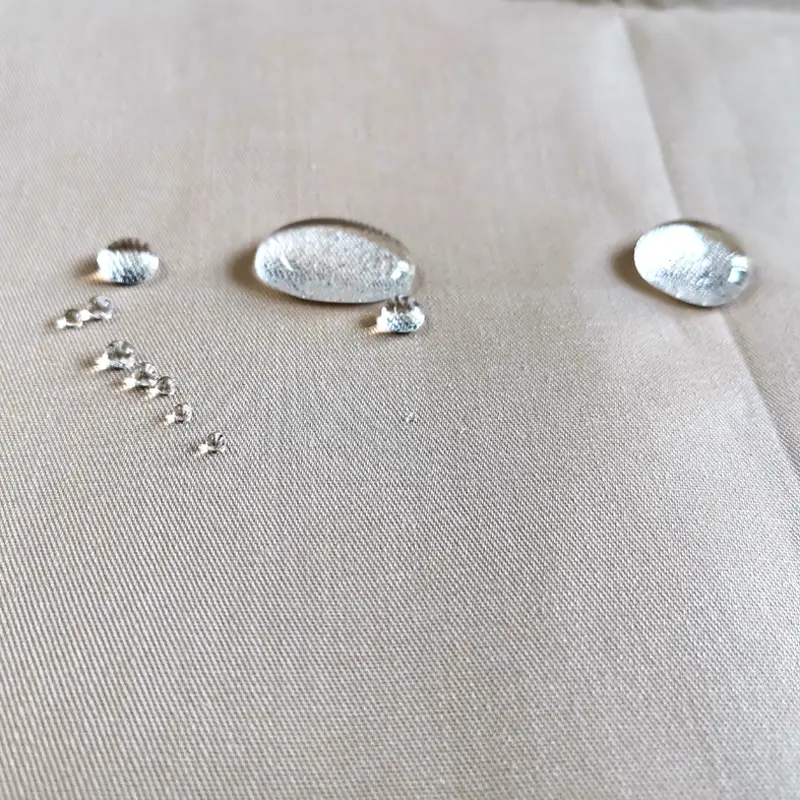
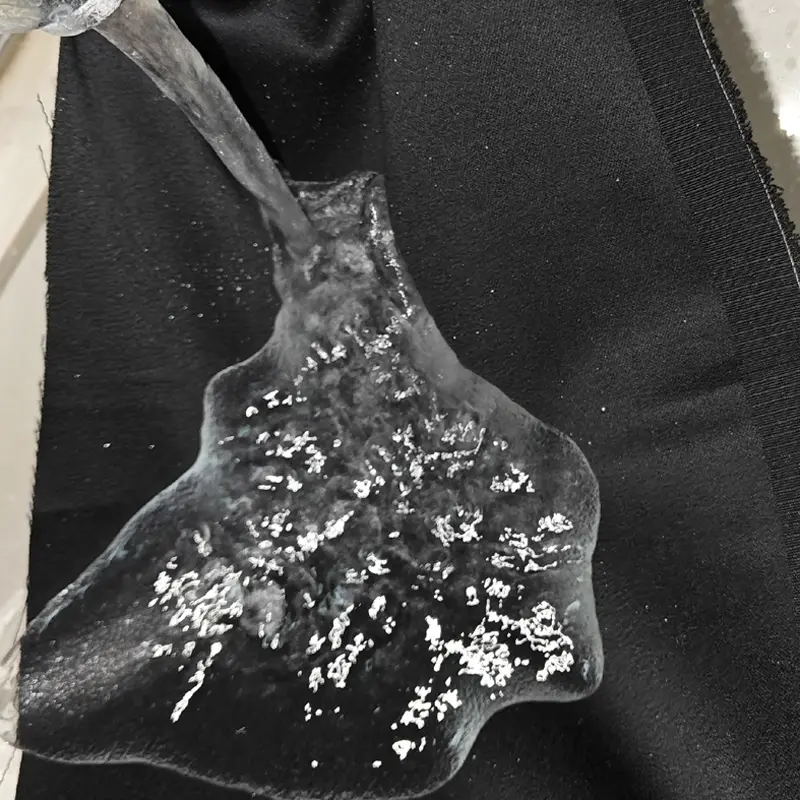
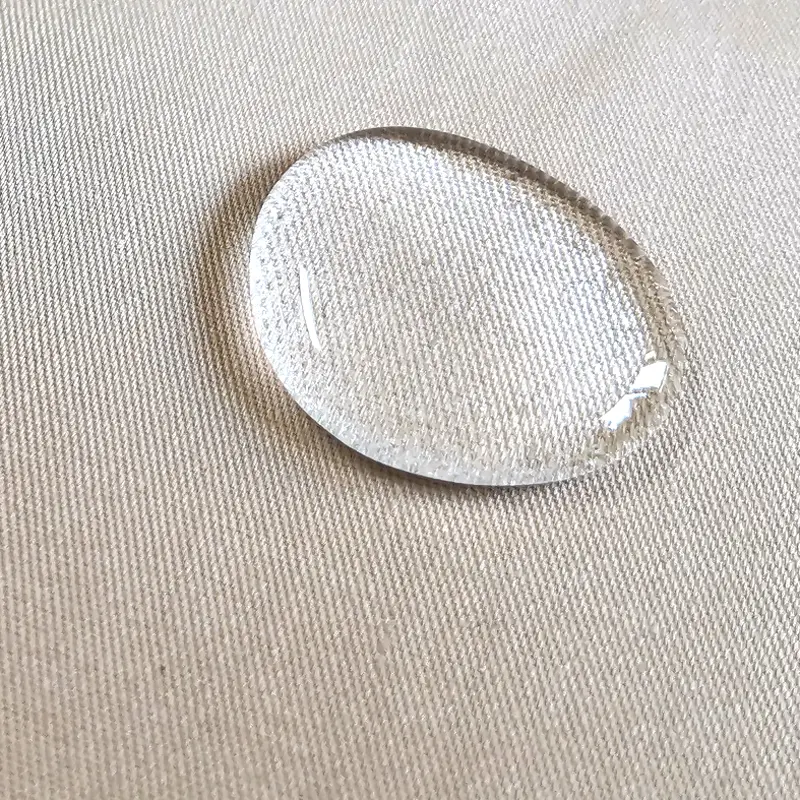
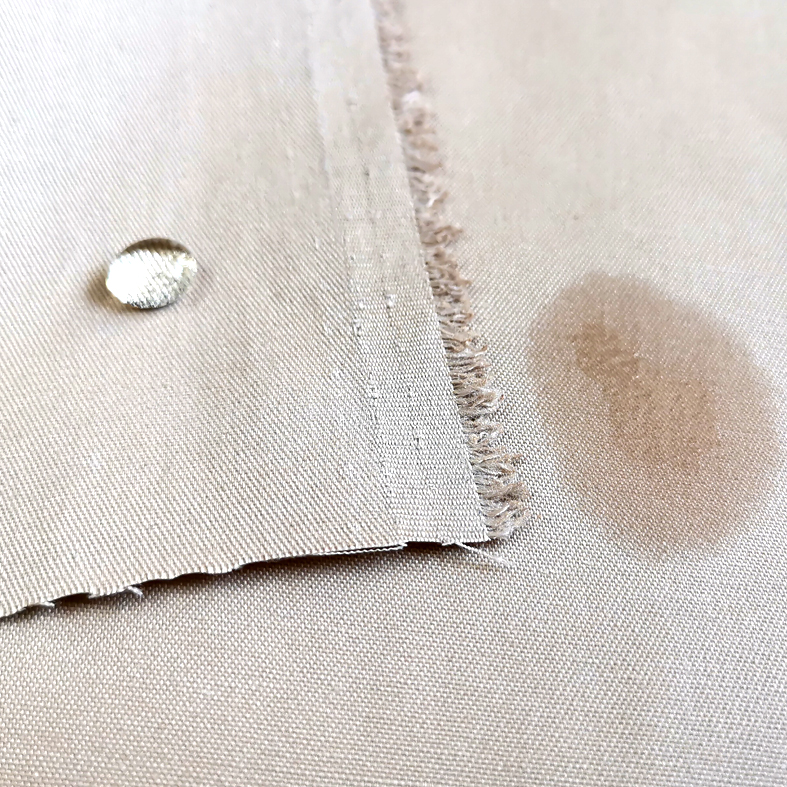
Our polyester-cotton twill fabric features a water-repellent face and a hydrophilic back for balanced protection, comfort, and durability. Made from a durable polyester-cotton blend (typically 65% polyester, 35% cotton, or customizable), it combines polyester strength with cotton softness and breathability.
Our polyester-cotton twill fabric features a water-repellent face and a hydrophilic back for balanced protection, comfort, and durability. Made from a durable polyester-cotton blend (typically 65% polyester, 35% cotton, or customizable), it combines polyester strength with cotton softness and breathability.
YESTER COTTON TWILL FABRIC WITH WATER-REPELLENT FACE AND HYDROPHILIC BACK
Product name: TC fabric with water-repellent (WR) face and hydrophilic back
Material: 65% polyester / 35% cotton
Fabric type: 2/1 left twill
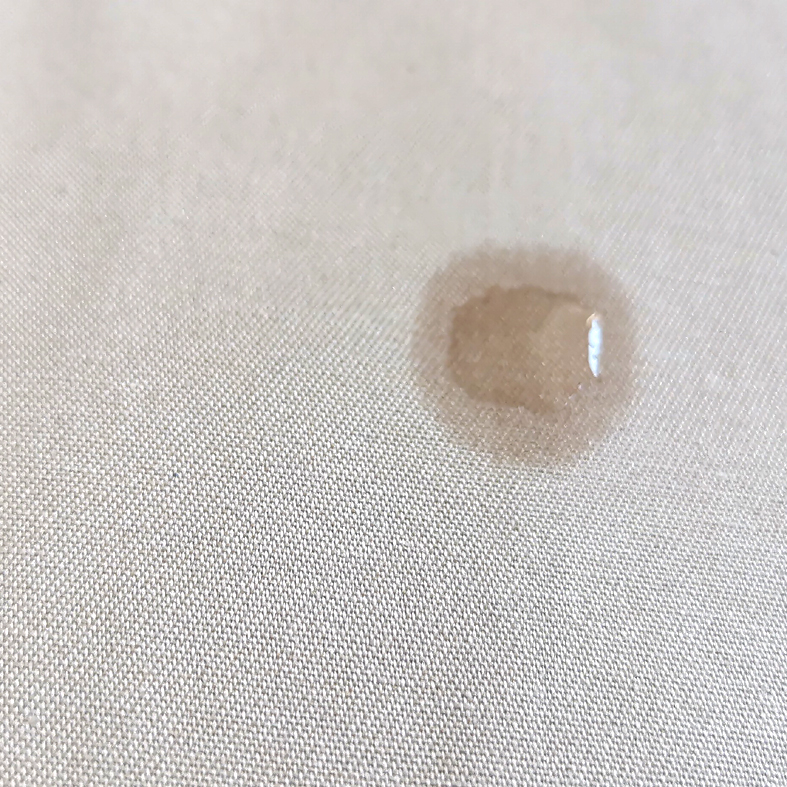
Features: Eco-friendly; water-repellent face; oil-repellent face; hydrophilic back
Sample: A4 size available.
Characteristics:
Color: Beige
Weight: Finished 155 gsm;
Fabric width: 148 cm
Contact: WhatsApp: +86 159 3119 8271
Wechat: Kewin10788409
Location: Chang’an, Shijiazhuang, Hebei, China

What Is the Difference Between 100% Cotton and Cotton Twill?
When comparing 100% cotton and cotton twill, the key difference lies not in the fiber content but in the fabric structure. 100% cotton refers to the material itself, meaning the fabric is made entirely from natural cotton fibers. This term describes composition, but it does not specify how the fabric is woven. Cotton fabrics can be made in a variety of weaves such as plain, sateen, flannel, poplin, or twill. Cotton twill, on the other hand, refers to a fabric made from cotton fibers using a twill weave. Twill is a specific weaving technique characterized by diagonal rib patterns that are visible on the fabric surface.
This weave typically makes the fabric more durable and wrinkle-resistant, and it can be better at concealing stains and dirt compared with plain-weave cotton. Cotton twill fabrics are often slightly heavier and thicker, providing excellent strength and long-term wear while still maintaining the softness and breathability associated with cotton. This makes them suitable for workwear, uniforms, pants, jackets, and heavier home textiles where durability is important. In contrast, plain 100% cotton fabrics are generally smoother, lighter, and crisp with a flat surface texture. They are commonly used for T-shirts, bedsheets, lightweight shirts, and casual wear, where softness and lightness are priorities. Both 100% cotton and cotton twill are breathable, skin-friendly, and comfortable; however, twill offers enhanced durability and a more structured appearance due to its distinctive weave. Cotton twill fabrics are less prone to wrinkling and can maintain a neat look for longer, while plain cotton fabrics may require more frequent ironing to look polished.
Ultimately, the choice between 100% cotton and cotton twill depends on the intended application. If you are looking for a lightweight, breathable fabric with a smooth finish, plain-weave 100% cotton is the ideal option. If you need a sturdier fabric with richer texture and better drape, cotton twill is preferred. Both fabrics are easy to care for, machine washable, and environmentally friendly because they are made from natural fibers. Our collection includes both options, helping you select the right fabric for comfortable everyday apparel or durable workwear.