T/C Twill Fabric
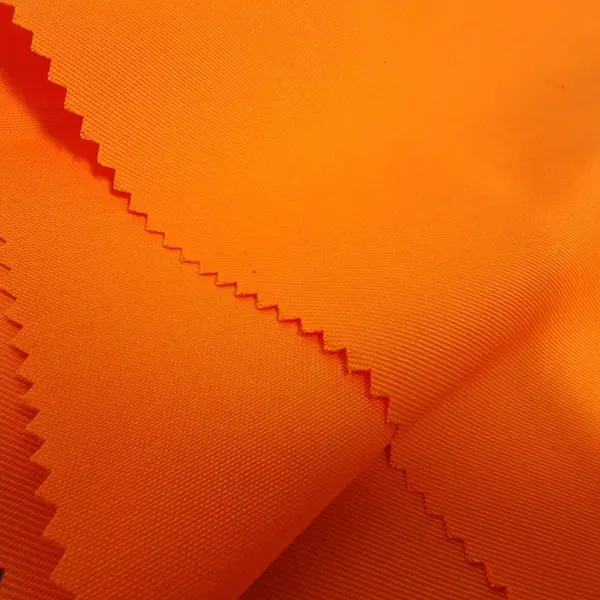
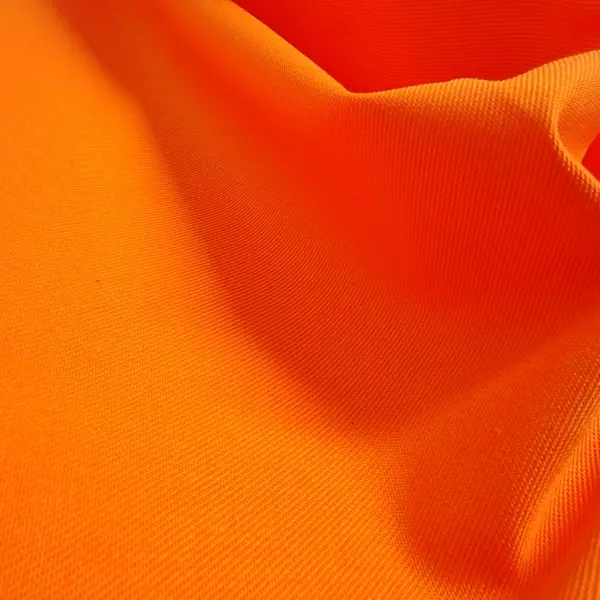
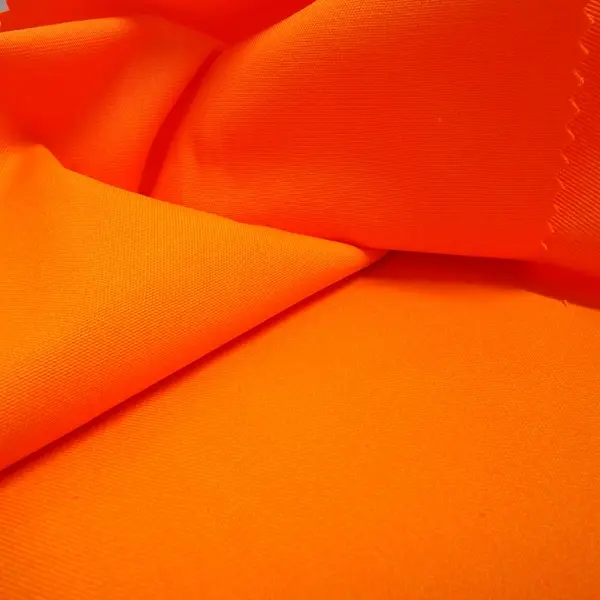
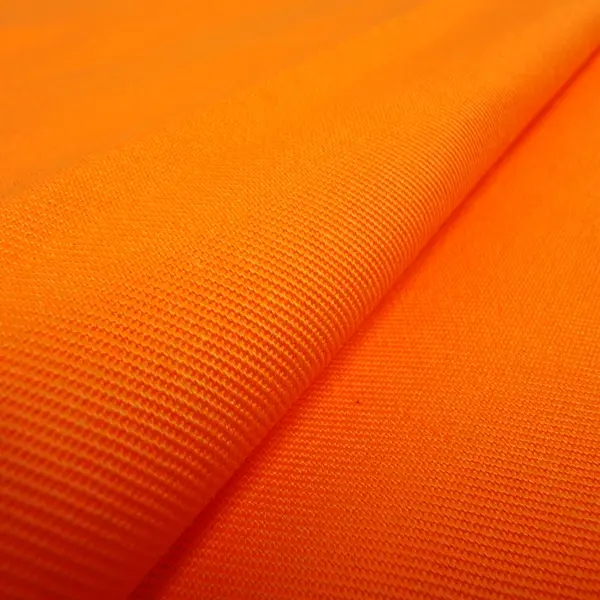
T/C Twill Fabric is a high-performance blended textile made from polyester (T) and cotton (C), woven in a twill structure. It is commonly used for workwear, uniforms, casual wear, and industrial applications, offering durability, comfort, and easy-care performance.
T/C Twill Fabric is a high-performance blended textile made from polyester (T) and cotton (C), woven in a twill structure. It is commonly used for workwear, uniforms, casual wear, and industrial applications, offering durability, comfort, and easy-care performance.
This fabric is a polyester-cotton twill fabric. Fluorescent orange fabric is typically produced by interweaving high-end FDY or DTY filament with combed pure cotton yarn. Using a specific twill structure, the polyester float on the fabric surface is significantly more pronounced than the cotton float, which is concentrated on the reverse side. This creates a characteristic “polyester-cotton” effect. As a result, the front of the fabric is easy to dye in bright colours and offers a full, lustrous appearance, while the back provides the comfort and durability of high-strength cotton. Suitable for environmental sanitation and firefighting uniforms.
What is the difference between TR and TC fabric?
TR and TC fabrics are two widely used polyester-blend textiles commonly used in apparel, uniforms, and workwear. Each offers distinct advantages depending on fiber composition and performance characteristics. TR fabric is a blend of polyester (T) and rayon (R), typically combined in ratios such as 65/35 or 70/30. It combines the durability and wrinkle resistance of polyester with the softness, breathability, and natural feel of rayon. TR fabric is known for its smooth hand, excellent drape, and good colour absorption, making it a preferred choice for fashion garments, office wear, and lightweight suits where comfort and visual appeal are key.
By contrast, TC fabric is a blend of polyester (T) and cotton (C), commonly produced in ratios such as 65/35 or 80/20. TC fabric balances the strength, quick-drying capability, and wrinkle resistance of polyester with the breathability and moisture absorption of cotton. The cotton component gives TC fabric a slightly coarser texture compared with TR, while improving durability and ease of care. This makes TC well-suited for uniforms, workwear, and industrial clothing. In general, TC fabric offers better abrasion resistance and is a practical option for garments that require frequent washing and long-term wear.
Although both TR and TC fabrics provide wrinkle resistance and durability, TR typically excels in softness, drape, and colour vibrancy, making it more suitable for formal or fashion-focused applications. TC provides greater durability, breathability, and day-to-day practicality, making it a reliable “workhorse” fabric for daily wear and high-use environments. Ultimately, the choice between TR and TC depends on the desired balance of comfort, appearance, and durability for the end product. Both blends deliver strong value and performance, making them staple materials in the textile industry for versatile garment production.