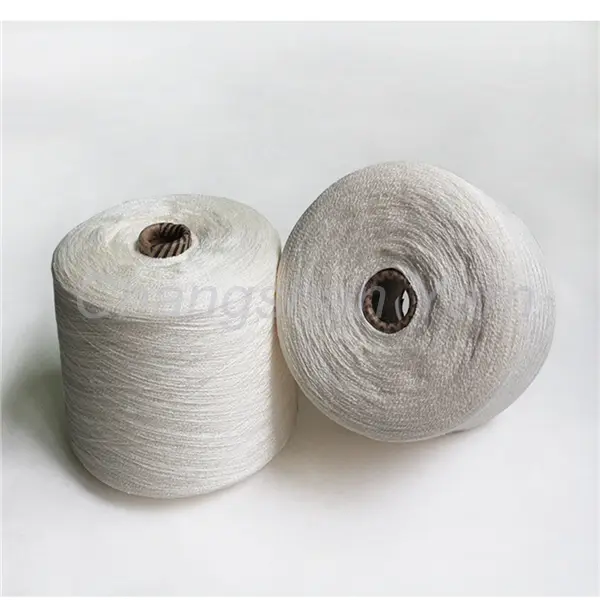
100% recycled polyester yarn is a sustainable alternative to virgin polyester, made entirely from post-consumer or post-industrial PET materials such as recycled plastic bottles. It is produced using advanced melt-spinning or chemical recycling processes and is designed for high strength and durability while helping reduce environmental impact.
100% recycled polyester yarn is a sustainable alternative to virgin polyester, made entirely from post-consumer or post-industrial PET materials such as recycled plastic bottles. It is produced using advanced melt-spinning or chemical recycling processes and is designed for high strength and durability while helping reduce environmental impact.
Overview of 100% Organic Linen Yarn for Weaving in Raw White
1. Material: 100% Organic Linen (100% Linen)
2. Yarn count: NM 3.5, NM 5, NM 6, NM 8, NM 9, NM 12, NM 14, NM 24, NM 26, NM 36, NM 39
3. Features: Eco-friendly, recycled
4. Use: Weaving
5. Product type: Organic yarn (non-organic yarn also available)
Product Description of100% Organic Linen Yarn for Weaving in Natural Color
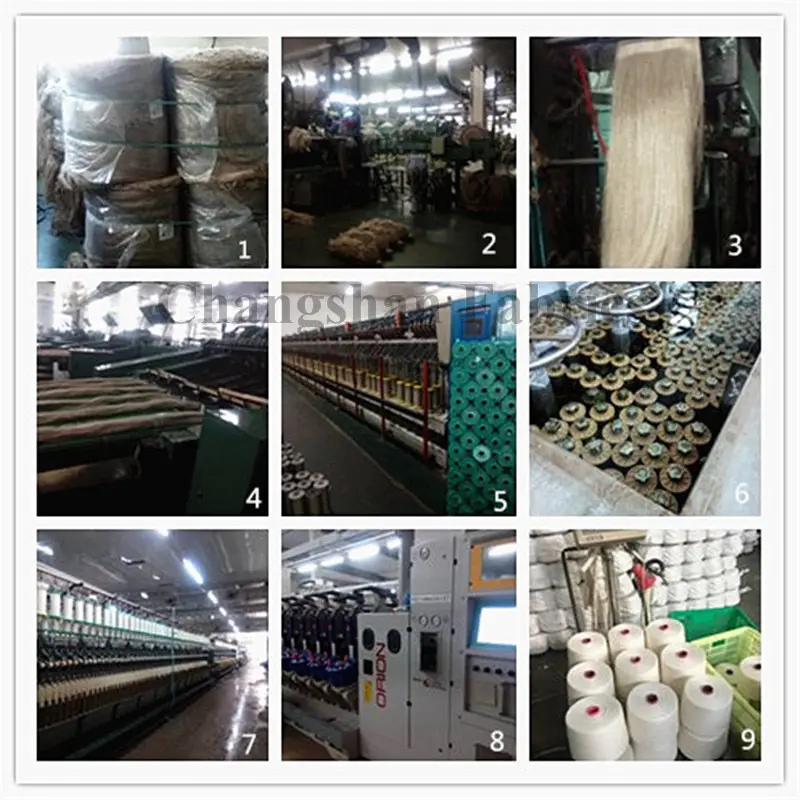
Features of 100% Organic Linen Yarn for Weaving in Natural Color
1. Organic Linen
Our organic linen products offer advantages such as excellent moisture absorption, no static electricity, strong warmth retention, high tensile resistance, anti-corrosion and heat resistance, straight and clean appearance, and soft fiber feel.
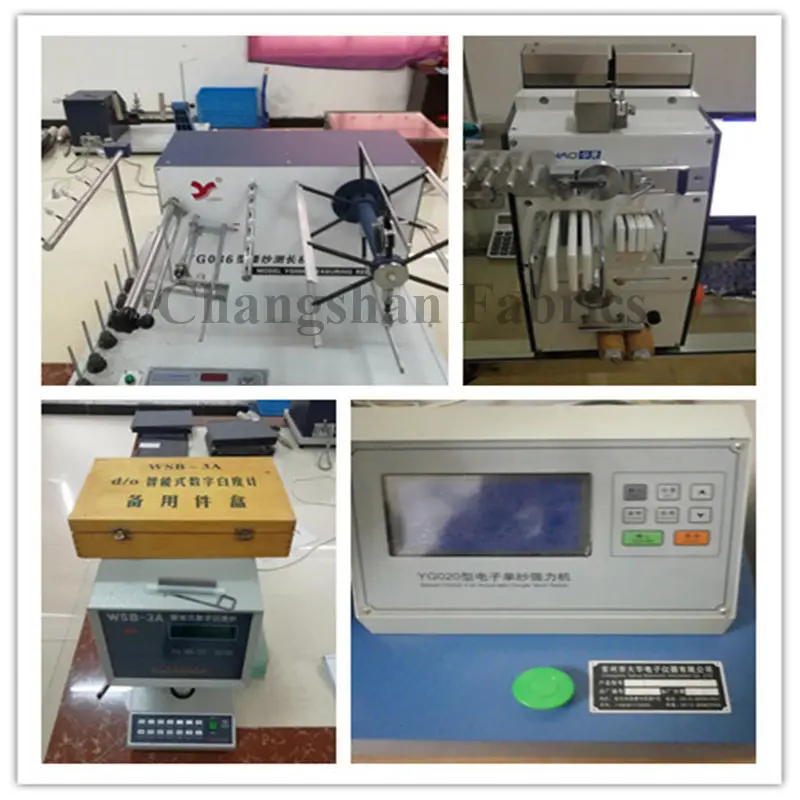
2. Best Quality
Fully equipped textile laboratory for comprehensive mechanical and chemical property testing in accordance with AATCC, ASTM, ISO….
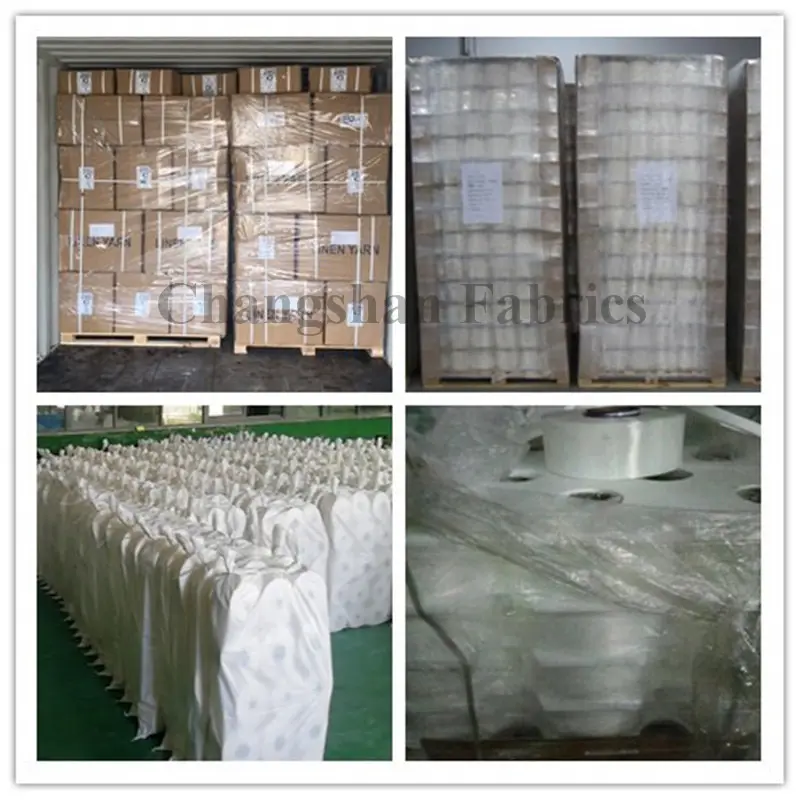
Packaging, Delivery, Shipment & Payment
1. Packaging details: cartons, woven bags, carton and pallet
2. Lead time: approximately 35 days
3. MOQ: 400 kg
4. Payment: L/C at sight, L/C at 90 days
5. Shipping: by express, by air, or by sea, according to your request
6. Seaport: any port in China
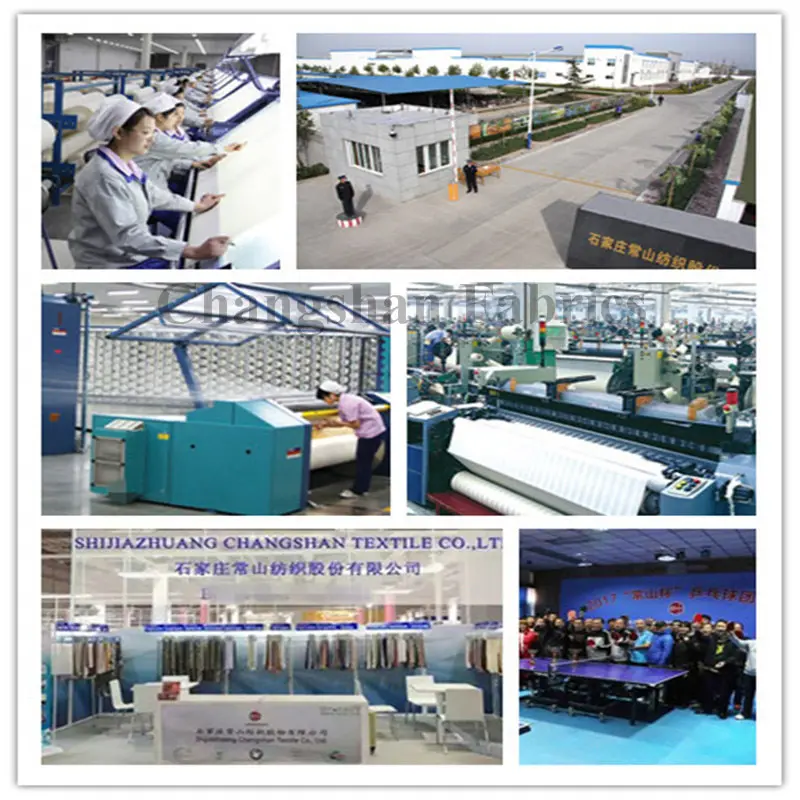
Company Information
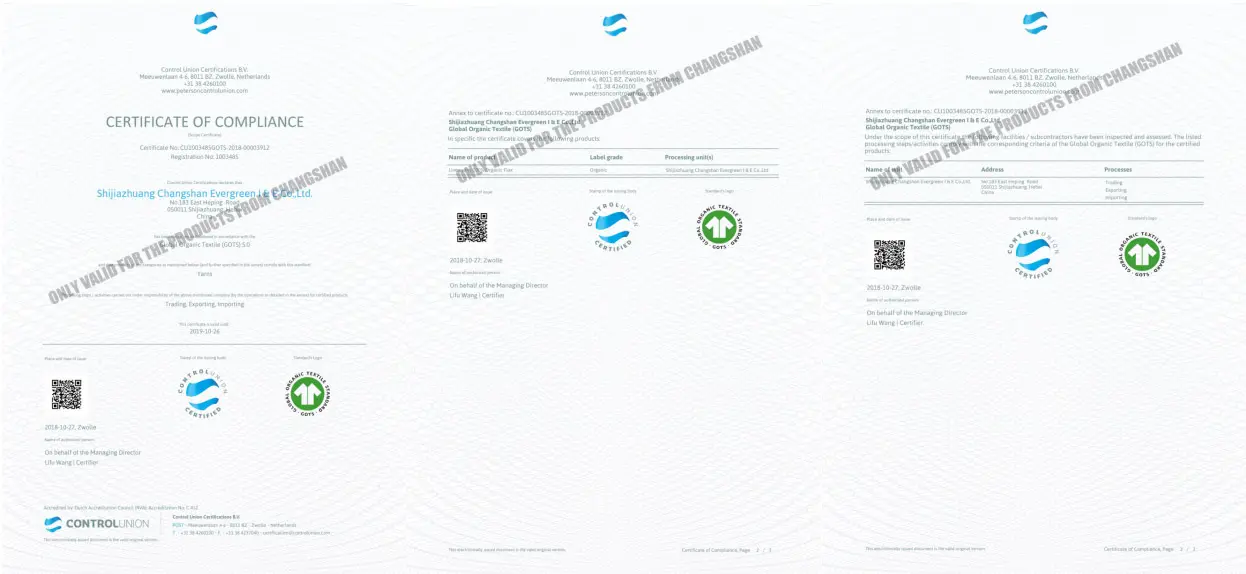
Certificate
Why Organic Linen Yarn Is Ideal for Breathable and Lightweight Knitting Projects
Organic linen yarn is the preferred choice for warm-weather crafting thanks to its exceptional breathability and moisture-wicking performance. The hollow structure of flax fibers creates natural airflow, helping keep wearers cool in summer garments such as lightweight cardigans or beach cover-ups. Unlike synthetic yarns that trap heat, linen becomes softer and more absorbent with each wash while maintaining an elegant drape. Its natural texture adds subtle sophistication to stitch patterns, making it ideal for breezy shawls and market bags that need both structure and movement. For projects where comfort in heat is critical, linen’s temperature-regulating qualities outperform even organic cotton.
Eco-Friendly Dyeing Techniques for Organic Linen Yarn
Innovative dyeing methods help preserve the environmental integrity of organic linen yarn. Low-impact reactive dyes bond efficiently at low temperatures, conserving energy while delivering vibrant colors that withstand sunlight. Some artisans use plant-based dyes such as indigo or weld, applying traditional techniques that compost harmlessly. Waterless dyeing technologies are also emerging, using pressurized CO2 to replace water entirely—an important breakthrough for drought-prone flax-growing regions. Undyed linen varieties showcase natural hues ranging from silver-gray to oatmeal, appealing to minimalists who value authenticity over artificial coloration.
How to Care for and Maintain Organic Linen Yarn Garments
Although linen may appear delicate, its fibers actually become stronger with proper washing. Hand or machine wash in cool water using pH-neutral detergents to help maintain natural oils that prevent brittleness. Unlike cotton, linen naturally softens through mechanical action; tumbling with wool dryer balls can accelerate this process without heat damage. Store items folded rather than hanging to help prevent stretching, and embrace the elegant wrinkles that define linen’s character. With this simple care routine, linen pieces can become long-lasting family favorites that improve over time.
What Is Organic Linen Yarn?
Many fabric manufacturers are switching to organic linen yarn as sustainability becomes a major purchasing criterion in the global market. Unlike conventional yarns, organic linen yarn is produced from flax grown with minimal synthetic chemicals and processed using environmentally responsible methods. As a result, it delivers a natural fiber with outstanding performance and a reduced environmental footprint.
Organic linen yarn is valued for its excellent tensile strength, moisture absorption, and natural breathability. Because flax fibers are naturally hollow, fabrics woven from linen remain cool and comfortable even in hot climates. The yarn also becomes softer after repeated washing while maintaining dimensional stability, making it suitable for garments, home textiles, table linens, curtains, and upholstery.
For professional weaving mills, organic linen yarn offers additional manufacturing benefits. Its high strength helps reduce yarn breakage during weaving, supporting improved production efficiency. The natural look of raw white linen also provides an excellent base for eco-friendly dyeing or for maintaining an undyed aesthetic, which many premium brands now prefer.
At Changshan Fabric, our organic linen yarn is available in multiple yarn counts, including NM3.5, NM5, NM6, NM8, NM9, NM12, NM14, NM24, NM26, NM36, and NM39—allowing customers to select the most suitable specification for different weaving applications.
Why Choose Organic Linen Yarn for Weaving?
When selecting yarn for woven fabrics, manufacturers typically prioritize durability, process stability, and fabric comfort. Organic linen yarn for weaving delivers these benefits while supporting sustainable textile production.
One of its key strengths is exceptional durability. Linen fibers are naturally stronger than many other plant fibers, enabling the yarn to withstand high weaving tension with fewer breaks. This supports loom efficiency and helps minimize production downtime.
Another advantage is moisture management. Linen absorbs moisture quickly and dries rapidly, helping finished fabrics feel cool and fresh. This characteristic is especially valuable for summer apparel, bedding, kitchen textiles, and home décor.
Organic linen yarn also produces fabrics with an elegant natural texture. Instead of appearing overly smooth like many synthetic fibers, linen develops a refined, slightly irregular surface that creates a premium, handcrafted appearance increasingly favored by fashion and interior brands.
In addition, linen has excellent heat resistance and low static electricity, making it comfortable for everyday use while helping reduce dust attraction.
For brands targeting environmentally conscious consumers, organic linen yarn strengthens their sustainability story through renewable flax fibers and reduced chemical inputs. As demand for eco-friendly textiles continues to grow, choosing organic linen yarn can help manufacturers differentiate their products in competitive markets.
Organic Linen Yarn vs Cotton Yarn: Which Is Better?
Although both linen and cotton are natural fibers, they offer distinctly different performance characteristics. Understanding these differences helps buyers select the right material for specific products.
Organic linen yarn generally provides higher tensile strength than cotton, making it suitable for products requiring a long service life. Linen also absorbs moisture efficiently and releases it quickly, resulting in cooler and drier fabrics.
Cotton, on the other hand, feels softer immediately after weaving and can be easier to process in certain lightweight applications. However, organic cotton yarns may wear faster and often require more water during cultivation compared with flax.
Another important distinction is appearance. Linen naturally shows a subtle slub texture that gives fabrics a sophisticated, authentic look, while cotton typically produces a smoother and more uniform surface.
From a sustainability perspective, flax cultivation generally requires less irrigation and fewer agricultural inputs than conventional cotton production—making organic linen an attractive option for environmentally focused brands.
| Feature | Organic Linen Yarn | Cotton Yarn |
|---|---|---|
| Strength | Excellent | Good |
| Breathability | Excellent | Good |
| Moisture Absorption | Excellent | Good |
| Natural Texture | Premium Slub Effect | Smooth |
| Durability | Very High | Moderate |
| Sustainability | Excellent | Good |
For manufacturers producing premium apparel, table linen, curtains, luxury home textiles, and eco-friendly collections, organic linen yarn is often the preferred choice.
How to Choose the Right Organic Linen Yarn Count
Choosing the correct yarn count is one of the most important decisions when purchasing organic linen yarn. Different counts directly affect fabric weight, texture, strength, and end-use performance.
Lower yarn counts such as NM3.5, NM5, and NM6 are thicker and produce heavier fabrics with outstanding durability. They are commonly used for upholstery fabrics, industrial textiles, canvas, and decorative home products.
Medium counts, including NM8, NM9, NM12, and NM14, provide a strong balance of strength and flexibility. These specifications are widely used for tablecloths, towels, casual apparel, and woven accessories.
Finer yarn counts such as NM24, NM26, NM36, and NM39 produce lightweight fabrics with smoother surfaces and a softer drape. These yarns are suitable for premium fashion garments, scarves, lightweight shirts, and luxury bedding.
When selecting yarn count, buyers should also consider loom type, weave construction, fabric density, finishing process, and target market requirements. Working closely with an experienced manufacturer helps ensure the selected specification delivers the desired weaving performance and finished fabric quality.
Applications of Organic Linen Yarn
Due to its strength, breathability, and natural appearance, organic linen yarn is widely used across the textile industry.
Fashion brands increasingly choose organic linen yarn for summer shirts, dresses, trousers, jackets, and scarves because the resulting fabrics remain cool and comfortable in warm climates.
Home textile manufacturers use linen yarn for premium bedding, pillow covers, curtains, tablecloths, placemats, and decorative cushions. Linen’s durability helps these products maintain their appearance through repeated washing.
The hospitality industry also values organic linen for restaurants, hotels, and luxury resorts, where long-lasting, breathable fabrics improve guest comfort.
Artisan weaving studios and textile designers appreciate linen’s distinctive texture, which enhances handcrafted products such as wall hangings, woven bags, and decorative fabrics.
As consumer demand for sustainable products continues to rise, organic linen yarn has become an increasingly popular material for brands developing environmentally responsible textile collections across fashion, home furnishing, and commercial applications.
Organic Linen Yarn FAQs
What is organic linen yarn?
Organic linen yarn is made from flax fibers grown using environmentally responsible farming practices with minimal synthetic chemicals. It retains the natural strength, breathability, and moisture-wicking properties of linen while supporting sustainable textile production. Organic linen yarn is widely used for weaving apparel, home textiles, and eco-friendly fabrics.
What is organic linen yarn used for?
Organic linen yarn is suitable for a wide range of woven and knitted products, including:
Apparel such as shirts, dresses, and trousers
Bed linens and pillowcases
Tablecloths and napkins
Curtains and upholstery fabrics
Kitchen towels and tea towels
Decorative textiles and handicrafts
Its durability and natural texture make it a preferred choice for premium textile brands.
Why choose organic linen yarn for weaving?
Organic linen yarn offers several advantages for weaving:
Excellent tensile strength for fewer yarn breaks
Natural breathability and moisture absorption
High dimensional stability after washing
Elegant slub texture for premium fabrics
Long service life and improved fabric durability
These properties help manufacturers achieve efficient production and high-quality woven products.
How do I choose the right linen yarn count?
The ideal yarn count depends on your intended application.
Coarse counts (NM3.5–NM6): Heavy-duty fabrics, upholstery, canvas
Medium counts (NM8–NM14): Table linens, towels, casual apparel
Fine counts (NM24–NM39): Lightweight garments, scarves, luxury bedding
If you are unsure which specification is best, our technical team can recommend the most suitable yarn count based on your weaving process and fabric requirements.
Can organic linen yarn be dyed?
Yes. Organic linen yarn has excellent dye affinity and can be dyed into a wide variety of colors while maintaining its natural texture. Many manufacturers also choose raw white organic linen yarn for bleaching, printing, or custom dyeing to meet different market demands.
What is the difference between organic linen yarn and cotton yarn?
Organic linen yarn is generally stronger, more breathable, and more durable than cotton yarn. It also dries faster and develops a softer feel over time. Cotton offers a smoother initial hand feel, while linen provides a distinctive natural texture that is highly valued in premium textiles.
Is raw white organic linen yarn better than bleached yarn?
Raw white organic linen yarn is preferred by manufacturers who require greater flexibility in finishing. It can be dyed, printed, or further processed according to specific production needs while preserving the natural characteristics of flax fibers.
What should I consider when buying organic linen yarn in bulk?
When purchasing organic linen yarn, consider the following factors:
Yarn count and specification
Fiber quality and consistency
Tensile strength and weaving performance
Moisture content
Color uniformity
Packaging options
Production capacity and lead time
OEM or customized services
Working with an experienced manufacturer helps ensure consistent quality and a stable supply for long-term production.
Can you provide customized organic linen yarn?
Yes. We offer customized solutions for global textile manufacturers, including different yarn counts, package sizes, and bulk order options. Our team can also recommend suitable specifications based on your weaving applications and production requirements.