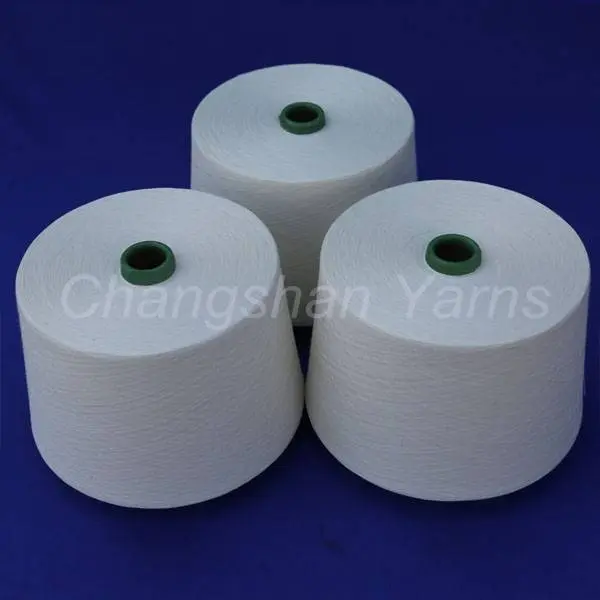
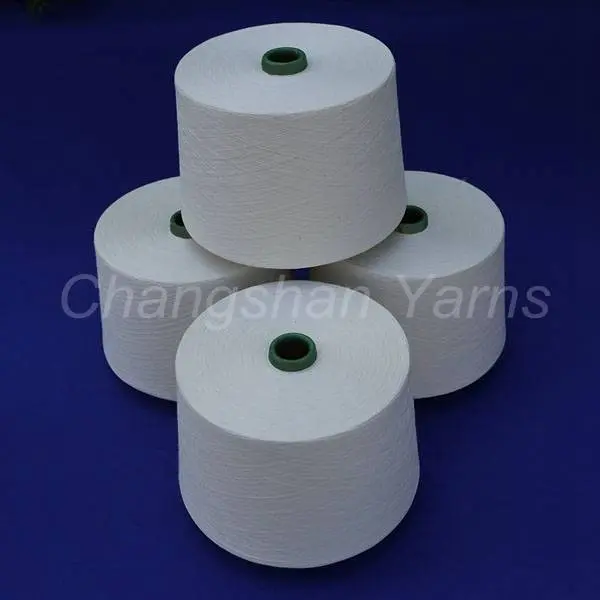
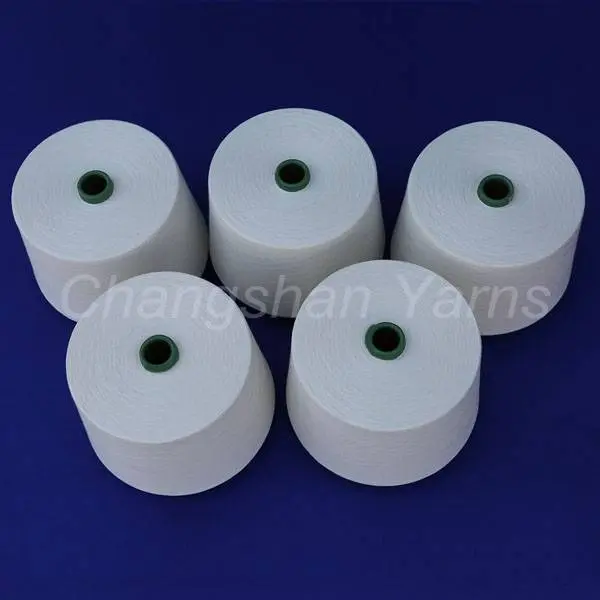
100% Recycled Polyester Yarn is made entirely from post-consumer or post-industrial PET waste, such as used plastic bottles and packaging materials. Using advanced mechanical or chemical recycling processes, this waste plastic is converted into high-quality polyester yarn with strength, durability, and appearance comparable to virgin polyester.
100% Recycled Polyester Yarn is made entirely from post-consumer or post-industrial PET waste, such as used plastic bottles and packaging materials. Using advanced mechanical or chemical recycling processes, this waste plastic is converted into high-quality polyester yarn with strength, durability, and appearance comparable to virgin polyester.
Product Details
1. Actual Count: Ne32/1
2. Linear Density Deviation per Ne: ±1.5%
3. Cvm: 10
4. Thin (–50%): 0
5. Thick (+50%): 2
6. Neps (+200%): 5
7. Hairiness: 5
8. Strength (CN/tex): 26
9. Strength (CV%): 10
10. Application: Weaving, knitting, sewing
11. Package: According to your request
12. Loading Weight: 20 Ton / 40′ HC
Our Main Yarn Products
Polyester Viscose Blended Ring Spun Yarn / Siro Spun Yarn / Compact Spun Yarn
Ne 20s–Ne 80s Single Yarn / Ply Yarn
Polyester Cotton Blended Ring Spun Yarn / Siro Spun Yarn / Compact Spun Yarn
Ne 20s–Ne 80s Single Yarn / Ply Yarn
100% Cotton Compact Spun Yarn
Ne 20s–Ne 80s Single Yarn / Ply Yarn
Polypropylene / Cotton Ne 20s–Ne 50s
Polypropylene / Viscose Ne 20s–Ne 50s
Recycled Polyester Ne 20s–Ne 50s
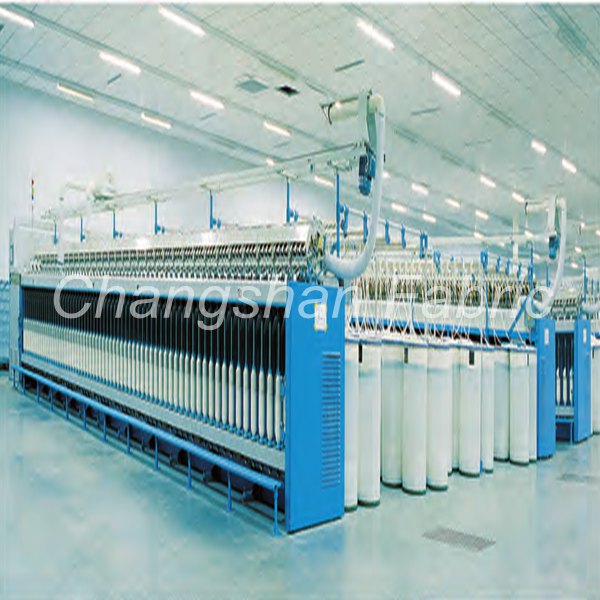
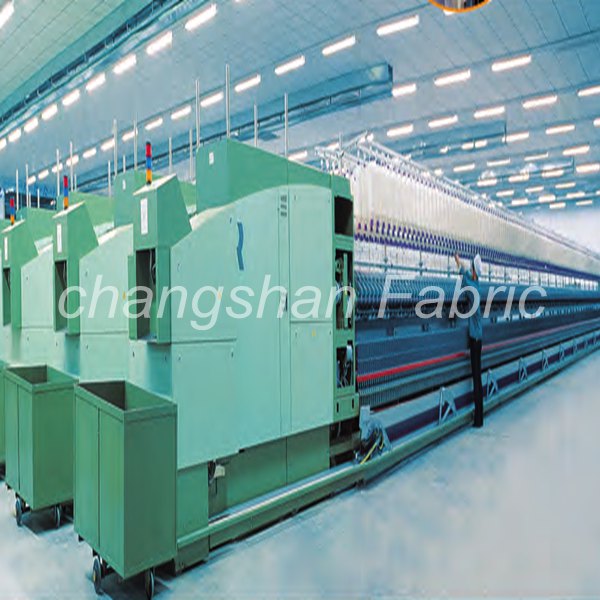
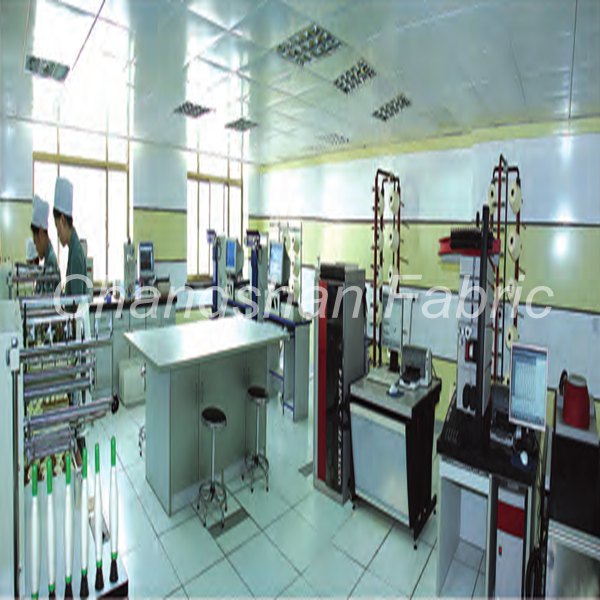
Production Workshop


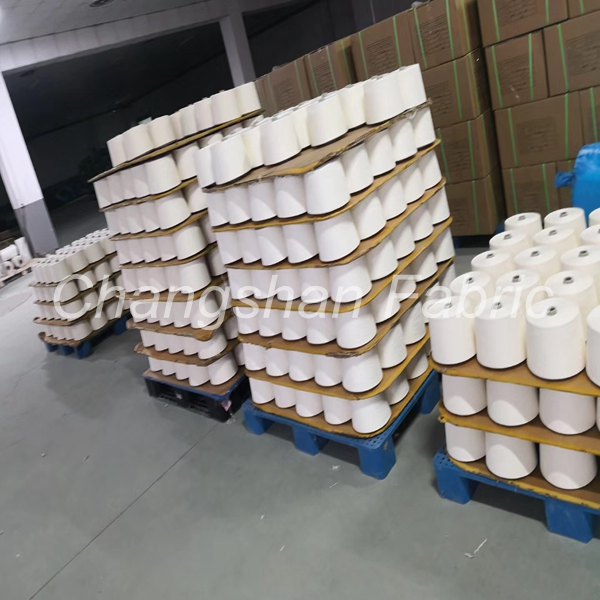
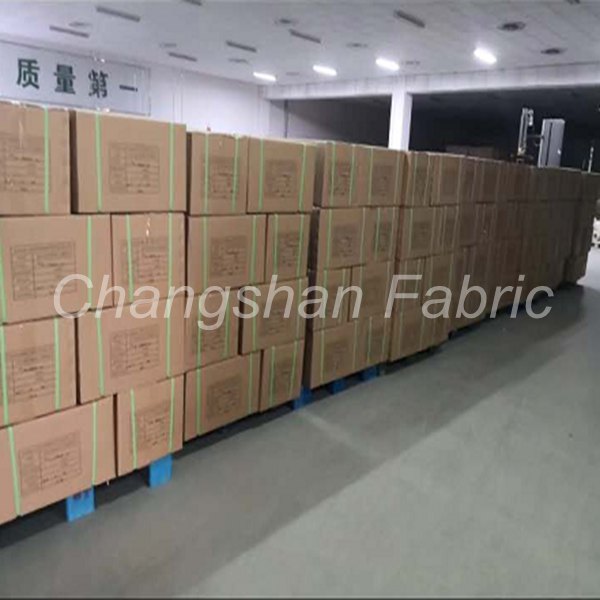
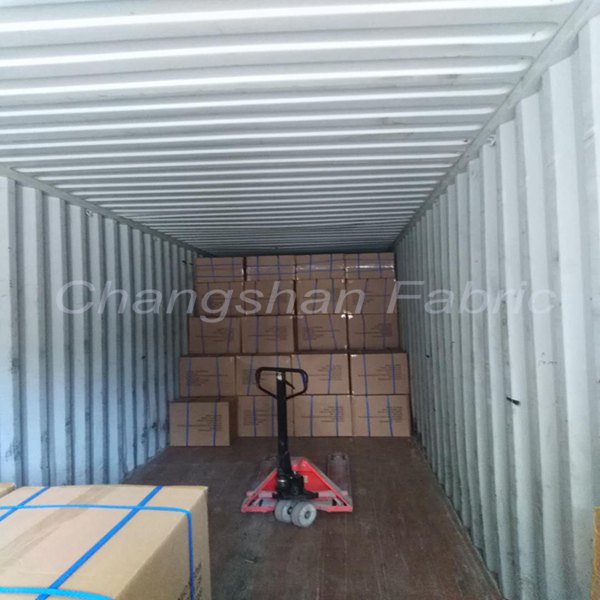
Packaging and Shipment
Why Recycled Polyester Yarn Is the Future of Sustainable Textiles
Recycled polyester (rPET) yarn represents a transformative shift in textile sustainability by repurposing waste—such as discarded PET bottles and post-consumer garments—into high-performance fibers. This process diverts plastic from landfills and oceans, reducing environmental impact while maintaining the durability and versatility of virgin polyester. Brands adopting rPET can significantly lower their carbon footprint, as production requires 59% less energy compared with conventional polyester. For eco-conscious consumers, it offers guilt-free fashion without compromising quality—making it a cornerstone of circular textile economies.
From Plastic Bottles to Performance Wear: How Recycled Polyester Yarn Is Made
The production of recycled polyester yarn begins with collecting and sorting post-consumer PET waste, which is then sterilized and crushed into flakes. These flakes are melted and extruded into new filaments through a process that uses 35% less water than virgin polyester production. Advanced closed-loop systems help ensure minimal chemical waste, and some factories achieve near-zero wastewater discharge. The resulting yarn matches virgin polyester in strength and dyeability, while delivering a fraction of its environmental impact—making it a strong choice for brands committed to transparent, sustainable sourcing.
Top Applications of Recycled Polyester Yarn in Fashion, Sportswear, and Home Textiles
The versatility of recycled polyester yarn spans multiple industries. In activewear, its moisture-wicking and quick-drying properties make it ideal for leggings and running shirts. Fashion brands use it for durable outerwear and swimwear, where colorfastness and chlorine resistance are essential. Home textiles such as upholstery and curtains benefit from its UV resistance and easy maintenance, while backpacks and shoes take advantage of its tear strength. Even luxury labels increasingly incorporate rPET into eco-conscious collections, demonstrating that sustainability and performance can coexist.