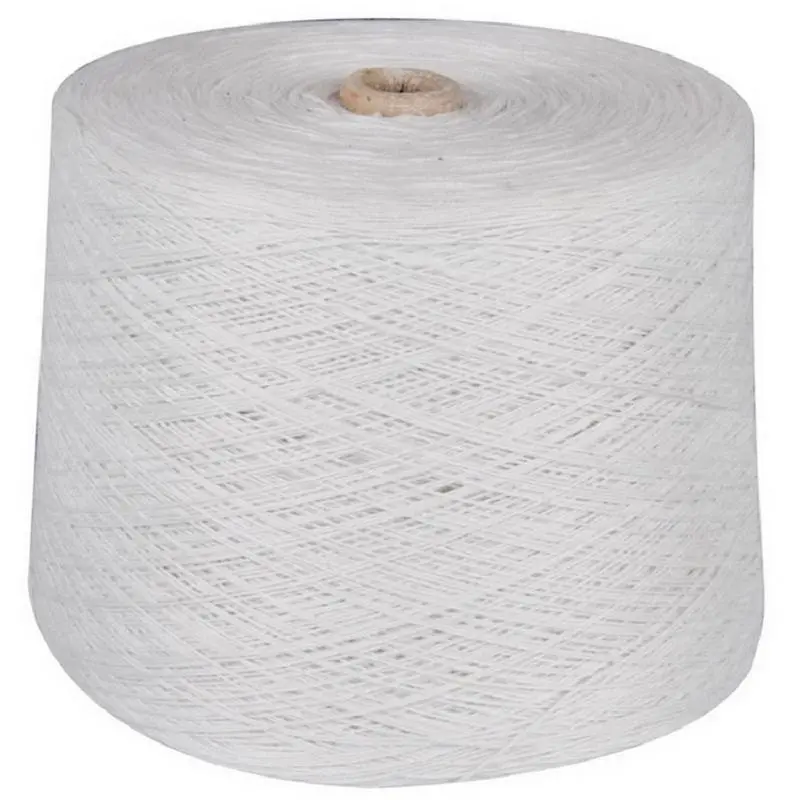
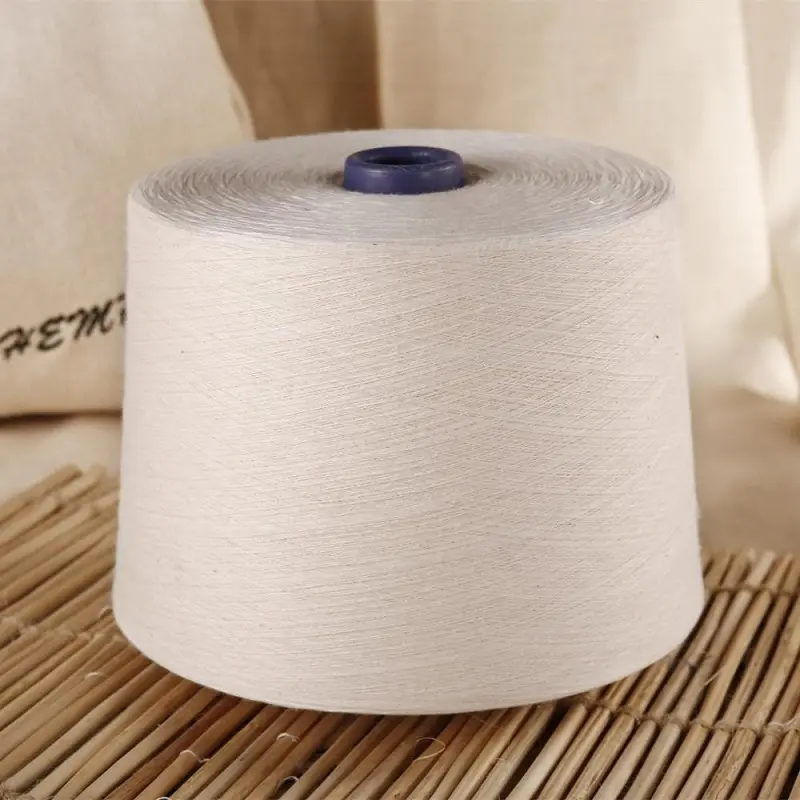
FOB price: US $0.5–9,999 per piece. Minimum order quantity is 100 pieces, with a supply ability of 10,000 pieces per month. Made from recycled post-consumer polyester.
FOB price: US $0.5–9,999 per piece. Minimum order quantity is 100 pieces, with a supply ability of 10,000 pieces per month. Made from recycled post-consumer polyester.
100% Recycled Polyester Yarn
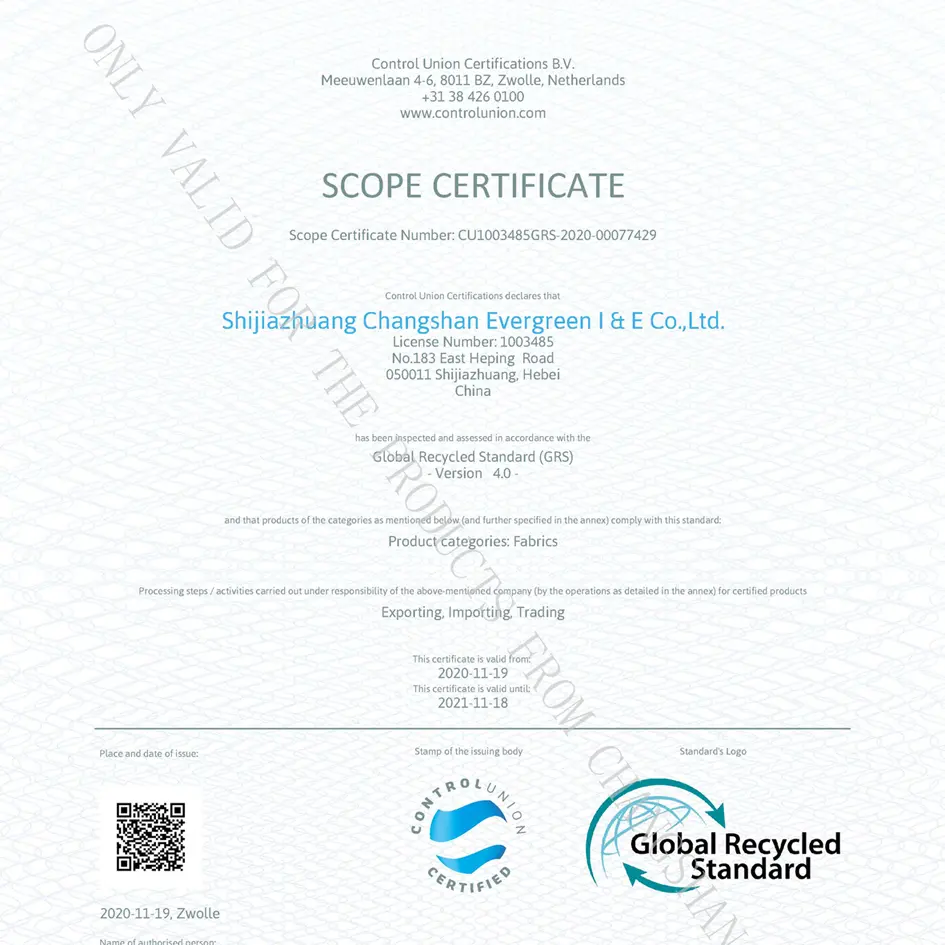
Overview of 100% Recycled Polyester Yarn for Weaving (GRS Certified)
1. Material: 100% recycled polyester
2. Yarn Count: NE16, NE20, NE21, NE30, NE32, NE40
3. Features: Eco-friendly, recycled; OEKO-TEX certification; GRS certification
4. Use: Weaving
Key Properties of Recycled Polyester Yarn: Strength, Elasticity, and Versatility
Recycled polyester yarn challenges the misconception that sustainable materials compromise performance. It retains the key benefits of virgin polyester: high tensile strength for long-lasting wear, excellent elasticity for stretch fabrics, and inherent wrinkle resistance. Dye uptake is consistent, delivering vibrant colors, and the yarn’s abrasion resistance makes it suitable for high-use applications such as workwear. Advances in fiber engineering also enable rPET to achieve either silk-like softness or enhanced durability, depending on the intended application.
Recycled vs. Virgin Polyester Yarn: Which Offers Better Sustainability?
While both fiber types share similar technical properties, recycled polyester yarn is the clear sustainability advantage. rPET production generates 32% fewer CO₂ emissions and reduces dependence on petroleum, a non-renewable resource. Water usage is reduced by nearly 90%, and it helps mitigate plastic pollution by giving waste a second life. Although virgin polyester may provide marginal consistency benefits in certain high-stress applications, most brands find that rPET meets their performance needs while aligning with sustainability requirements and customer expectations.
How Recycled Polyester Yarn Supports Circular Fashion and Zero-Waste Goals
Recycled polyester yarn is an essential component of circular fashion systems. Unlike natural fibers that degrade through recycling, PET can be reprocessed multiple times without significant quality loss. New technologies support “fiber-to-fiber” recycling, where used polyester garments are broken down into new yarn—closing the loop on textile waste. Brands such as Patagonia and Adidas already apply this approach to support zero-waste targets, demonstrating that rPET is more than an alternative—it is a practical necessity for the industry’s sustainable future.