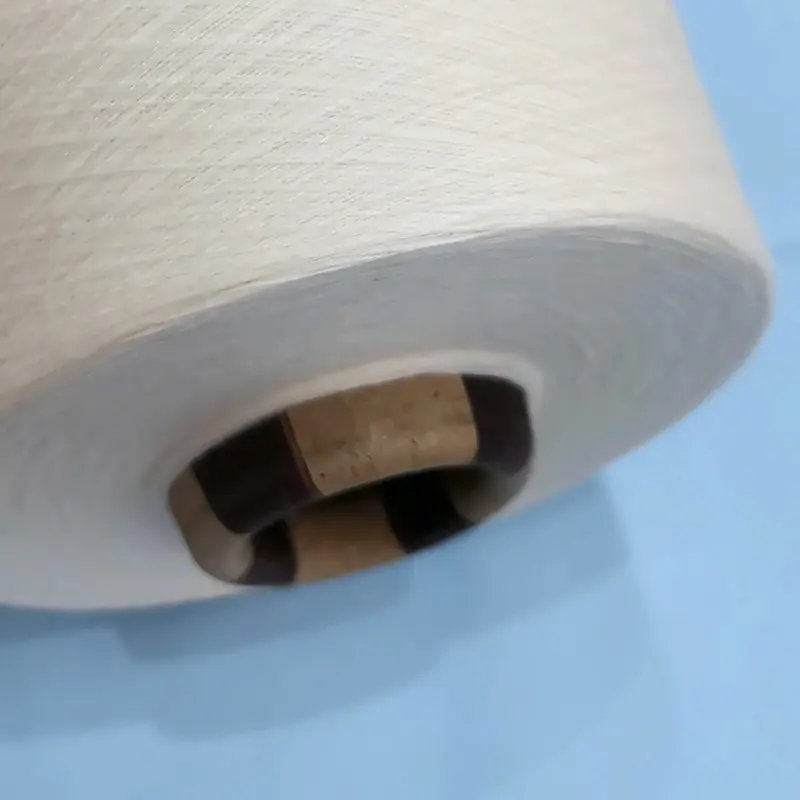
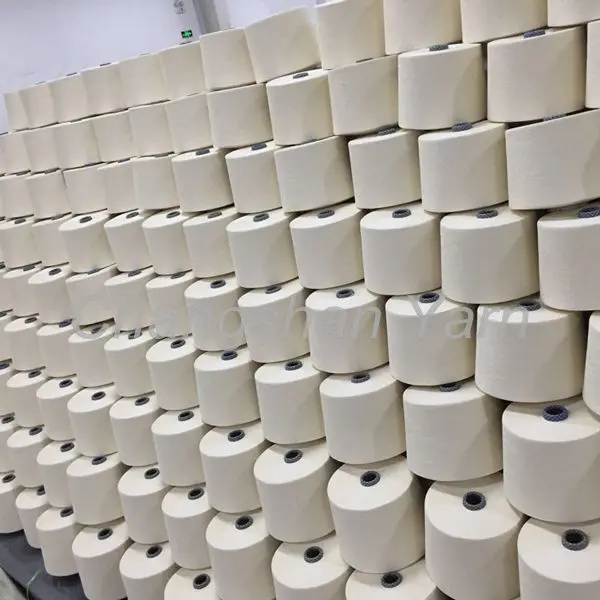
60s Compact Yarn is a fine, high-quality yarn made with advanced compact spinning technology. Compared with conventional ring-spun yarn, it offers higher strength, reduced hairiness, and improved evenness for premium fabrics with a smooth surface and excellent durability.
60s Compact Yarn is a fine, high-quality yarn made with advanced compact spinning technology. Compared with conventional ring-spun yarn, it offers higher strength, reduced hairiness, and improved evenness for premium fabrics with a smooth surface and excellent durability.
Product Detail:
Composition: 100% Combed Xinjiang Cotton
Yarn Count: JC60S
Quality: Combed Compact Cotton Yarn
MOQ: 1 ton
Finish: Greige Yarn
End Use: Weaving
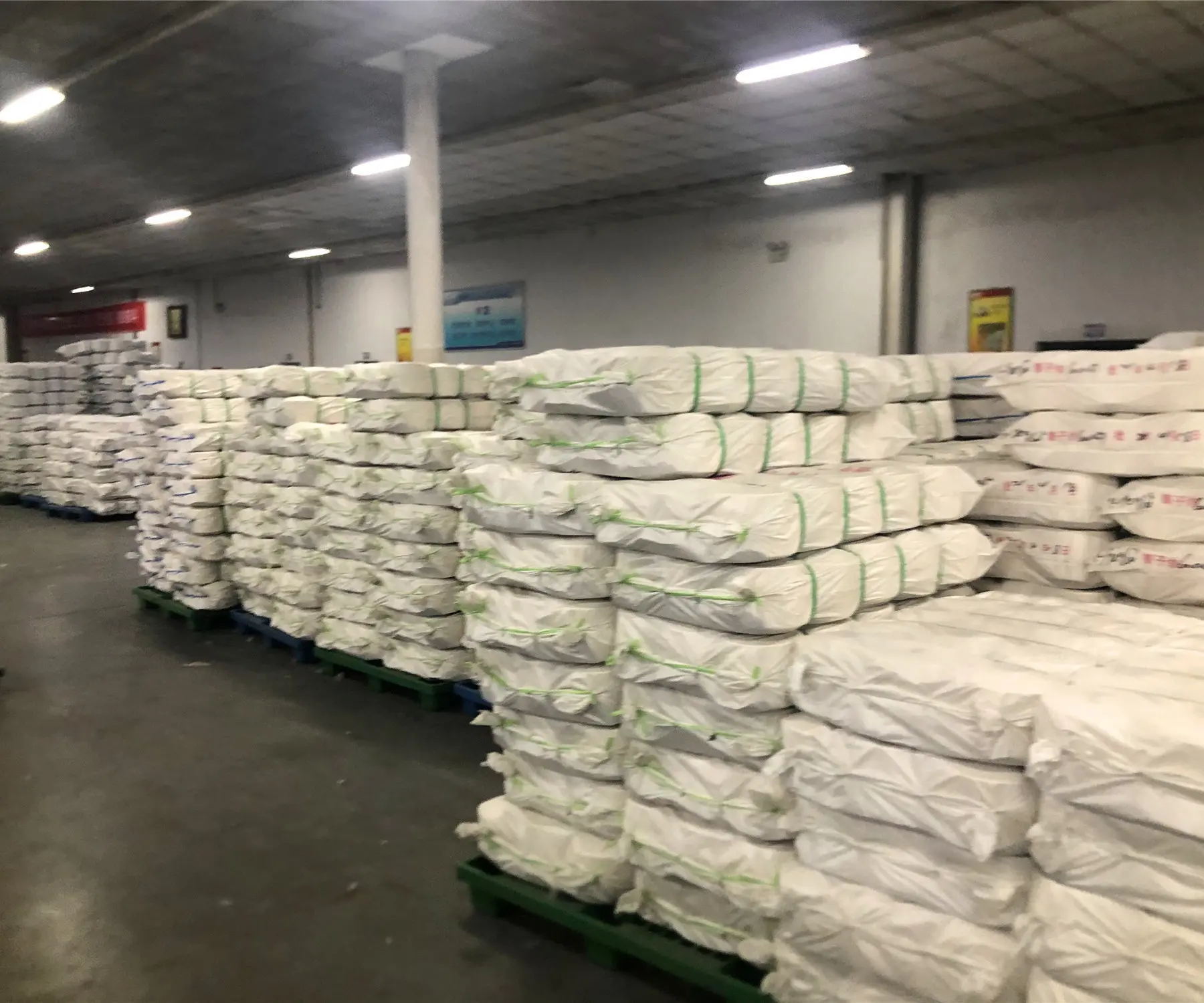
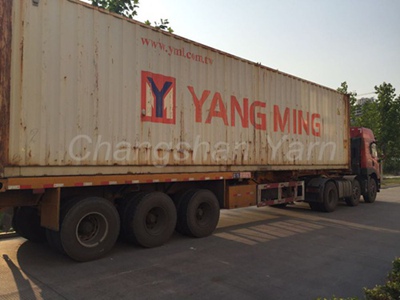
Packaging: Carton / Pallet / Plastic
Application :
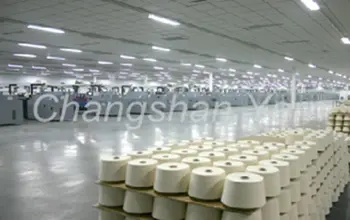
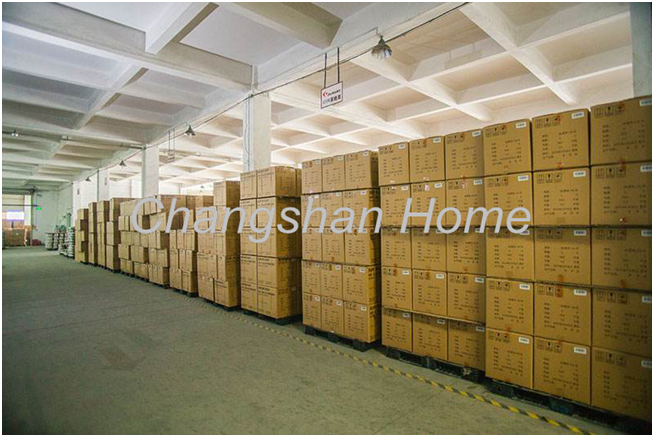
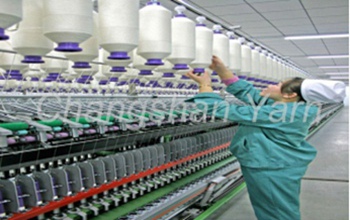
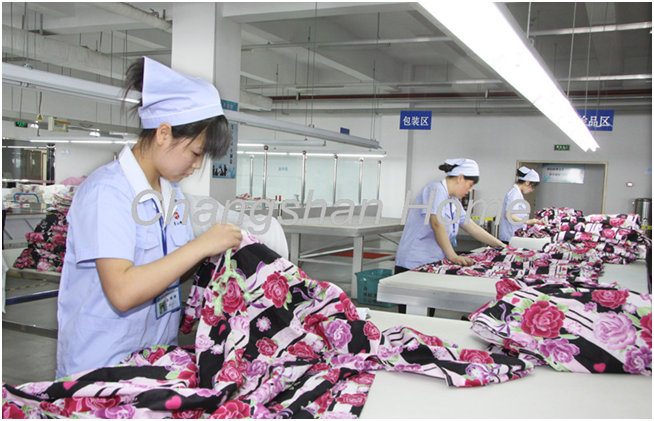
Shijiazhuang Changshan Textile is a well-known and long-established manufacturer, and we have been exporting a wide range of cotton yarns for nearly 20 years. We have a full set of the latest, newly installed, fully automatic state-of-the-art equipment, as shown in the image below.
Our factory is equipped with 400,000 spindles. We use fine, long-staple cotton from Xinjiang, China, as well as PIMA cotton from America and Australian cotton. A stable and sufficient cotton supply helps ensure consistent yarn quality. Our 60S combed compact cotton yarn is a strong, year-round item in our production line.
We can provide samples and test reports for strength (CN) & CV% tenacity, Ne CV%, thin-50%, thick+50%, and nep+280% according to customer requirements.



What Is Compact Yarn? The Science Behind High-Quality Low-Hairiness Yarn
Compact yarn is engineered using advanced spinning technology that compresses fibers into a denser, more uniform structure before twisting. This process significantly reduces protruding fiber ends (hairiness) by aligning strands in a more parallel orientation under controlled airflow and mechanical condensation. Unlike conventional spinning methods, compact spinning minimizes gaps between fibers, resulting in a smoother yarn with enhanced tensile strength. The underlying principle is the elimination of the “spinning triangle”—the weak zone in traditional ring spinning where fibers disperse—thereby producing a sleek, high-performance yarn well-suited for premium textiles.
Eco-Friendly and Efficient: The Sustainable Side of Compact Yarn Production
Compact spinning technology supports sustainable manufacturing by reducing fiber waste and energy consumption. The process’s efficiency uses 8–12% less raw material to achieve equivalent yarn strength, while lower breakage rates reduce energy usage on machinery. Some mills report a 15% reduction in water usage during dyeing due to the yarn’s improved dye affinity. As brands increasingly seek greener alternatives, compact yarn offers a practical solution that maintains quality while helping to reduce environmental impact.
Top Advantages of Using Compact Yarn in Knitting and Weaving
Compact yarn enhances fabric production through superior smoothness and durability. Reduced hairiness results in fabrics with a polished surface, free from fuzziness, while the compact fiber structure improves tensile strength by up to 15% compared with conventional yarns. Knitted garments show excellent resistance to pilling, maintaining a pristine appearance even after repeated wear. In weaving, yarn uniformity reduces breaks during high-speed loom operations, improving efficiency. These benefits make compact yarn an ideal choice for creating luxury fabrics with outstanding hand feel and long service life.
Compact Yarn Meaning
Compact yarn refers to a type of yarn produced through a specialized spinning process known as compact spinning. Unlike conventional ring-spun yarn, compact yarn is manufactured by condensing the fiber strand before twisting, which significantly reduces the number of loose fibers protruding from the yarn surface. This advanced process creates a smoother, stronger, and more uniform yarn structure, widely used in high-quality textile manufacturing.
In the textile industry, understanding the meaning of compact yarn is important because this yarn type directly influences fabric quality, durability, and appearance. During compact spinning, fibers are aligned more closely together through aerodynamic or mechanical compacting systems. As a result, the finished yarn typically has lower hairiness, higher tensile strength, and better fiber utilization compared with ordinary ring-spun yarn.
One of the key advantages of compact yarn is its superior fabric performance. Fabrics made from compact cotton yarn often feature a cleaner surface, improved softness, enhanced abrasion resistance, and reduced pilling. This makes compact yarn especially suitable for premium garments, luxury bedding, sportswear, and fine knitting applications. Many textile manufacturers also prefer compact yarn because it improves weaving efficiency and helps reduce yarn breakage during production.
Another important feature of compact yarn is its versatility. It can be produced using different fiber types such as cotton, polyester, viscose, modal, and blended materials. Depending on the intended application, manufacturers may develop combed compact yarn, compact blended yarn, or compact siro yarn to meet specific fabric requirements.
From a sustainability perspective, compact spinning technology can also help reduce raw material waste and improve production efficiency. Because fibers are better integrated into the yarn body, there is less lint generation during downstream processing, helping textile mills maintain cleaner operations and higher machine productivity.
Today, compact yarn is widely recognized as a premium yarn solution in the global textile market. As fashion brands and fabric buyers continue to demand higher-quality materials, compact spinning technology has become an important innovation for modern yarn manufacturers seeking improved performance, consistency, and long-term product value.
Compact Yarn vs Combed Yarn
Understanding the difference between compact yarn and combed yarn is essential for anyone involved in textile sourcing, fabric development, or garment manufacturing. Both yarn types are widely used in high-quality textile products, but they differ significantly in structure and performance.
Combed yarn is produced through an additional combing process during spinning, where short fibers, impurities, and irregularities are removed from the cotton sliver. This results in cleaner fiber alignment, improved uniformity, and a smoother yarn surface. Fabrics made from combed yarn are typically soft, breathable, and comfortable against the skin, which makes them a preferred choice for casual wear, T-shirts, shirts, and home textile products where comfort and appearance are priorities. However, compared with more advanced spinning methods, combed yarn may still show moderate hairiness and pilling over time, depending on fiber quality and finishing.
Compact yarn, by contrast, is produced using an enhanced ring-spinning system where fibers are condensed before twisting. This structural improvement significantly reduces fiber protrusion and creates a tighter, more compact yarn body. The result is a yarn with higher tensile strength, improved abrasion resistance, and a notably smoother surface. Compact yarn also tends to have lower hairiness and a reduced tendency to pill, enhancing fabric durability and helping maintain a cleaner appearance after repeated washing and wear.
In practical applications, compact yarn is often selected for premium and performance-oriented textiles such as high-gauge knitting fabrics, sportswear, and high-end woven garments where durability and a refined surface are essential. It also performs better in high-speed knitting and weaving processes due to its structural stability and reduced end-breakage rates. While combed yarn may be slightly less technologically advanced, it remains highly popular due to its balance of quality, comfort, and cost efficiency, making it suitable for mass-market apparel and versatile fabric applications.
From a manufacturing perspective, compact yarn typically requires more advanced spinning equipment and involves a slightly higher production investment, whereas combed yarn is more widely available and easier to scale economically. The final selection between the two depends on fabric requirements, end-use performance expectations, and cost considerations within the supply chain.
Both yarn types offer high-grade textile solutions, but they prioritize different functional needs in modern fabric engineering.
Compact Yarn vs Normal Yarn
Compact yarn and normal yarn differ primarily in their spinning mechanism, which directly affects fiber alignment, surface quality, and overall fabric performance. Understanding these differences is essential for textile manufacturers, apparel brands, and sourcing professionals when selecting materials for specific end uses.
Compact yarn is produced through an enhanced ring spinning process in which fibers are condensed before twist insertion. This additional compaction step significantly reduces floating fibers on the yarn surface, resulting in lower hairiness and a more uniform structure. Tighter fiber cohesion improves tensile strength and abrasion resistance while minimizing pilling during fabric wear. As a result, compact yarn is widely used in high-end textiles such as fine shirting fabrics, premium knitwear, and performance garments where smoothness and durability are critical.
Normal yarn, commonly produced via conventional ring spinning, does not include the fiber condensing stage. Fibers are twisted in a more open state, which leads to a looser yarn structure with higher hairiness. Although this may slightly reduce strength and increase surface fuzz over time, normal yarn remains highly versatile and cost-effective. It is commonly used in products such as denim, basic apparel, towels, and general home textiles where durability requirements are moderate and cost efficiency is a priority.
Another important difference is how fabrics appear and how they behave during processing. Compact yarn tends to produce cleaner fabric surfaces, with reduced lint formation during knitting and weaving, which improves machine efficiency and reduces maintenance downtime. It also tends to absorb dye more evenly due to its compact structure, leading to more consistent coloration in finished fabrics.
In contrast, fabrics made from normal yarn may have a more textured surface and slightly higher visual variation, which can be desirable in certain casual or rustic-style textiles. However, yarn manufacturers may need to consider additional finishing requirements to control pilling and surface irregularities.
In summary, compact yarn provides superior performance in strength, smoothness, and consistency, while normal yarn types offer a more economical solution for general-purpose textile applications. The selection depends on the balance between cost, performance requirements, and the positioning of the final product in the market.
Compact Yarn FAQs
What is compact yarn?
Compact yarn is a type of ring-spun yarn produced with an additional fiber condensation stage before twisting. This process improves fiber alignment and creates a smoother, more uniform yarn structure compared with conventional yarn.
How is compact yarn different from normal yarn?
The key difference lies in the spinning process. Compact yarn reduces fiber dispersion before twisting, resulting in lower hairiness and higher structural integrity, while normal yarn is spun without fiber compaction and therefore has a looser fiber arrangement.
Is compact yarn stronger than normal yarn?
In most cases, yes. The tighter fiber cohesion in compact yarn improves tensile strength and abrasion resistance, making it more durable under repeated mechanical stress.
Why does compact yarn have less hairiness?
Because fibers are condensed into a narrower band before twist insertion, fewer fiber ends protrude from the yarn surface. This significantly reduces surface fuzz and improves fabric smoothness.
What applications is compact yarn commonly used for?
It is widely used in high-quality apparel textiles such as premium shirting, fine knitwear, sportswear, and performance fabrics where smoothness, comfort, and durability are important.
Is compact yarn more expensive than normal yarn?
Yes. The additional processing stage increases production cost; however, improved quality, reduced defects, and a longer fabric lifespan often justify the higher price in premium applications.
Does compact yarn improve fabric appearance?
Yes. Fabrics made from compact yarn typically show a cleaner surface, better luster, and more consistent dye uptake, resulting in a more refined and uniform visual finish.