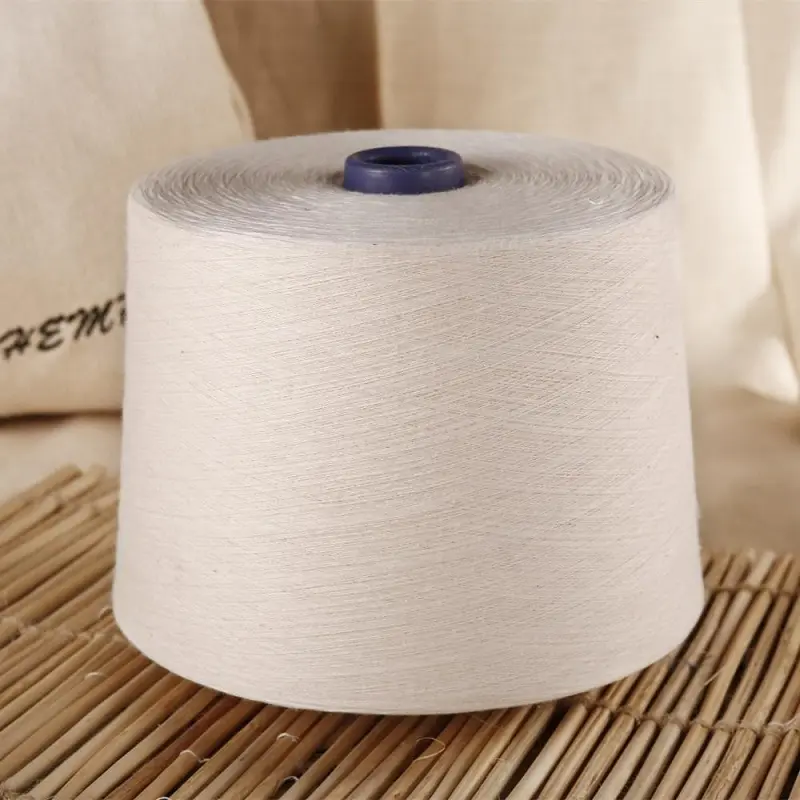
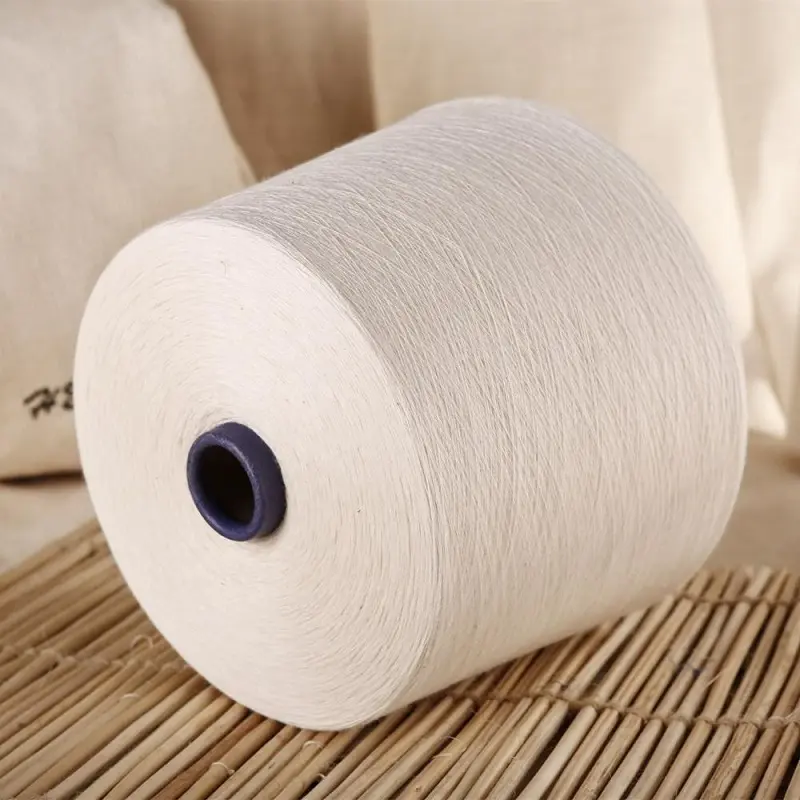
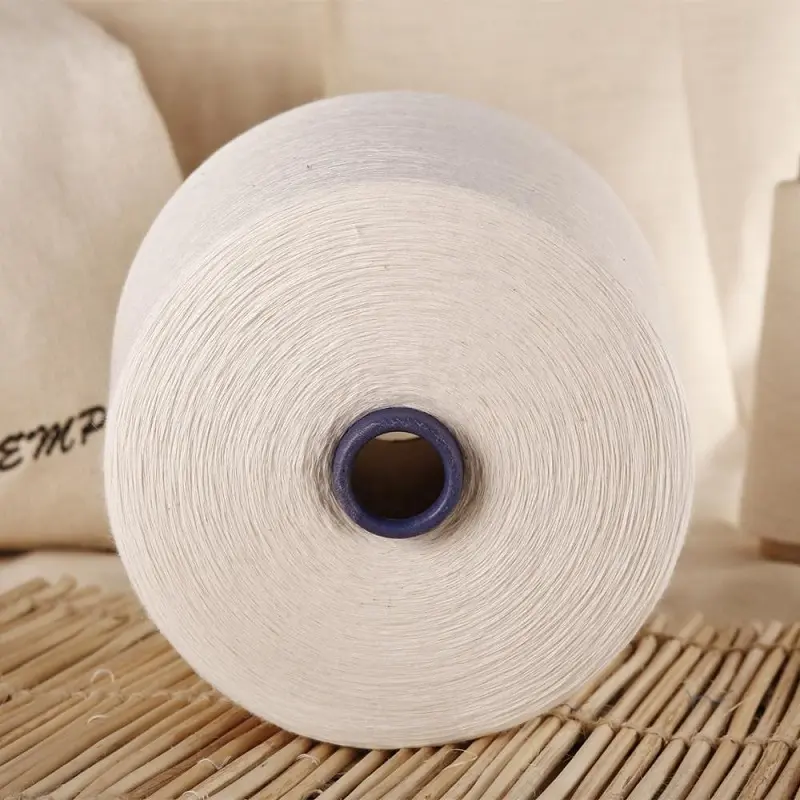
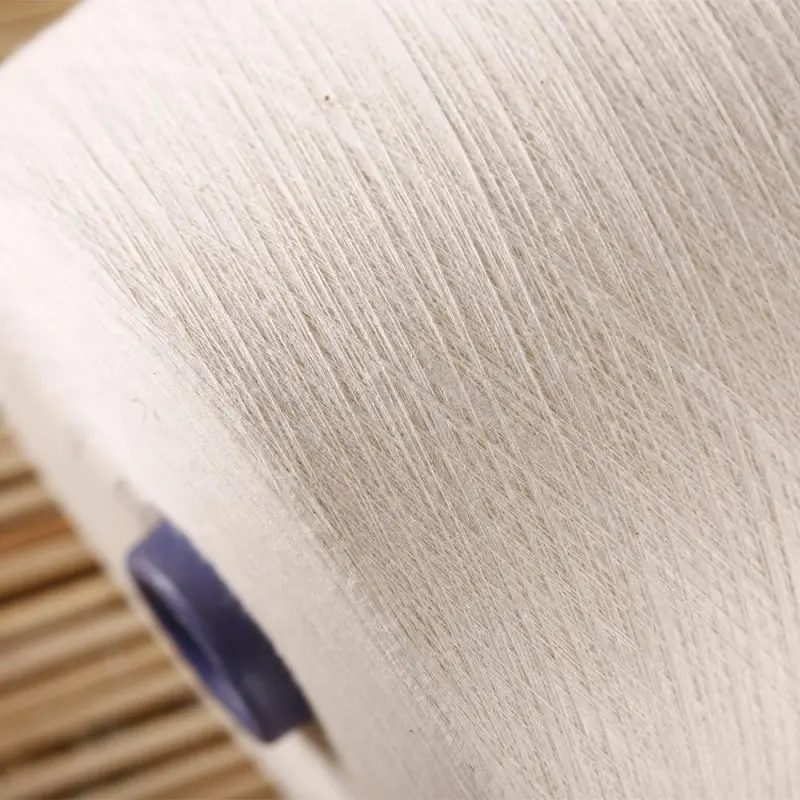
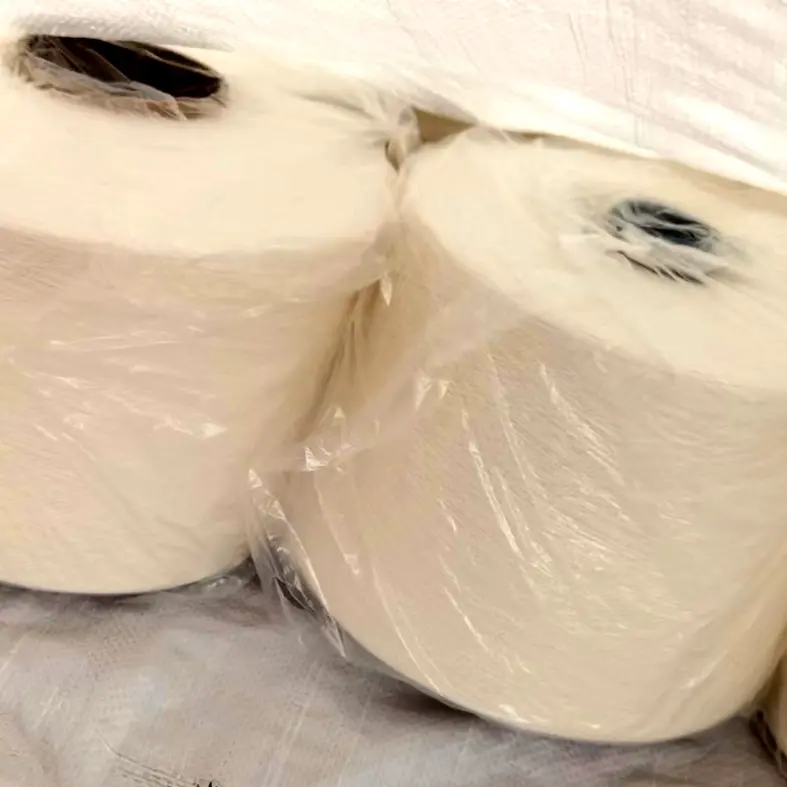
Ne 60/1 combed compact BCI cotton yarn is made from Better Cotton Initiative (BCI) certified cotton, spun with compact spinning technology and combed to support superior fiber alignment. The yarn delivers high strength, smoothness, and softness, making it well-suited for producing luxurious, lightweight, and durable fabrics with an excellent appearance and hand feel.
Ne 60/1 combed compact BCI cotton yarn is made from Better Cotton Initiative (BCI) certified cotton, spun with compact spinning technology and combed to support superior fiber alignment. The yarn delivers high strength, smoothness, and softness, making it well-suited for producing luxurious, lightweight, and durable fabrics with an excellent appearance and hand feel.
Overview of Ne 60/1 Combed Compact BCI Cotton Yarn
1. Material: 100% BCI cotton
2. Yarn count: Ne 60
We can supply:
1) Open-end: Ne 6, Ne 7, Ne 8, Ne 10, Ne 12, Ne 16
2) Ring spun: Ne 16, Ne 20, Ne 21, Ne 30, Ne 32, Ne 40
3) Combed & compact: Ne 50, Ne 60, Ne 80, Ne 100, Ne 120, Ne 140
3. Features: Eco-friendly, recycled; GOTS certificate available
4. Application: Weaving
Factory
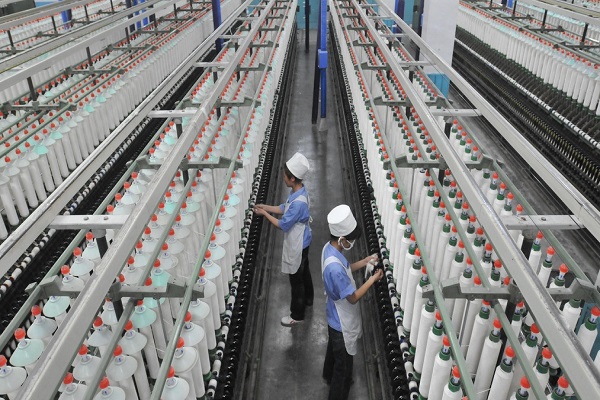
Features of Ne 50/1 and Ne 60/1 Combed Compact Organic cotton yarn
Best Quality
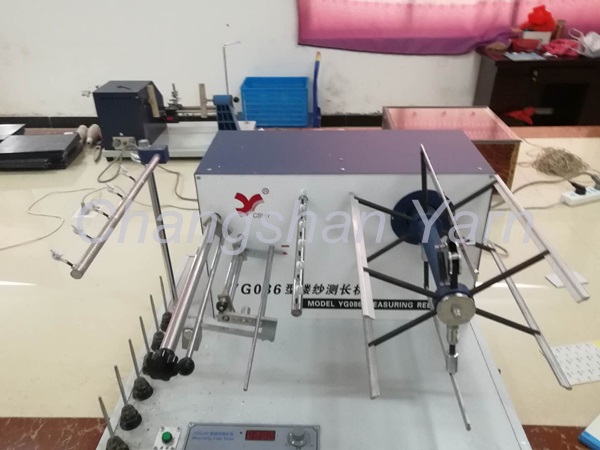
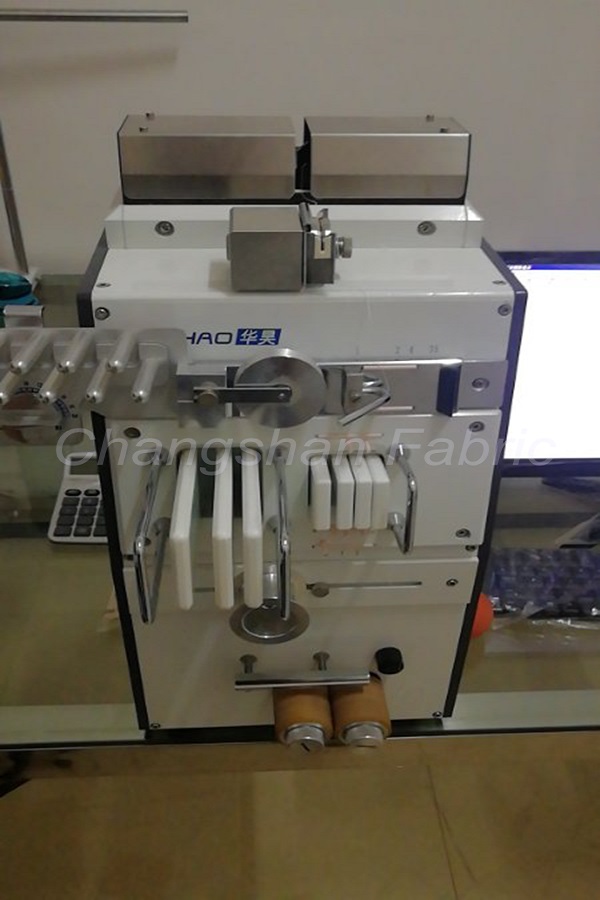
Fully equipped textile laboratory for comprehensive mechanical and chemical property testing in accordance with AATCC, ASTM, ISO, and other relevant standards.
Certificate: We can provide TC and GOTS certificates.
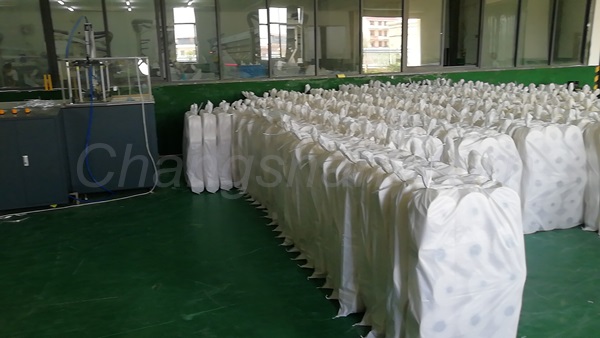
Packaging
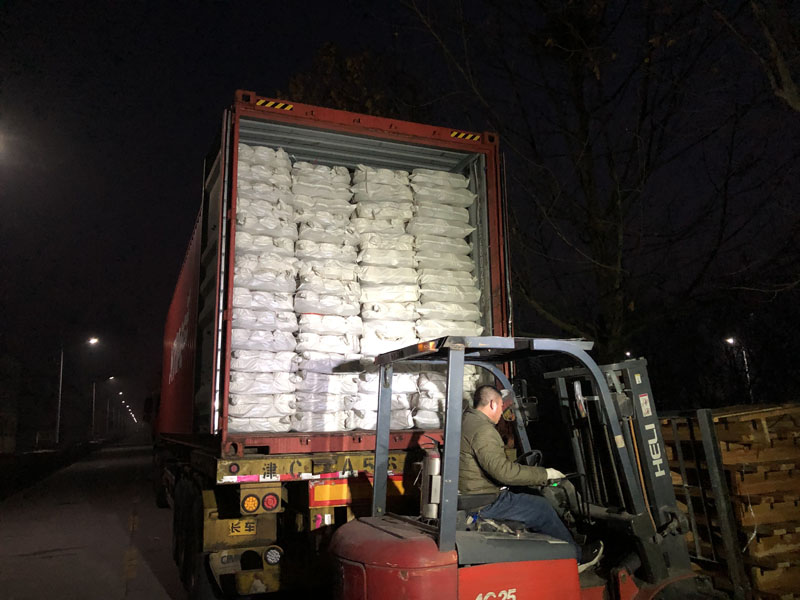
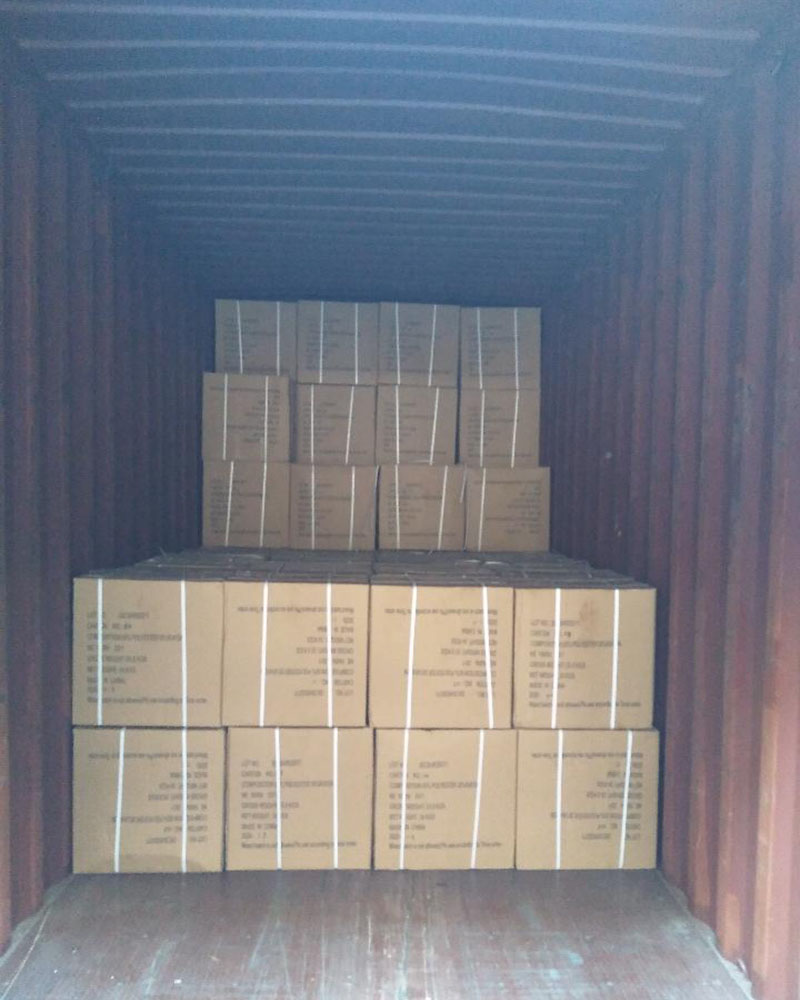
Shipment
Best Applications for Compact Yarn: From Fashion to Home Textiles
Compact yarn excels in products requiring both strong aesthetics and reliable performance. In fashion, it elevates premium T-shirts and dress shirts with wrinkle-resistant smoothness. For intimate apparel and baby clothing, its smooth surface offers comfort for sensitive skin. In home textiles, high-end bedding benefits from the yarn’s vivid color and resistance to abrasion, while upholstery fabrics maintain an attractive appearance even under frequent use. Its versatility spans from lightweight voiles to structured twills, with enhanced durability throughout.
Compact Yarn vs. Ring Spun Yarn: Which Is Better for Premium Textiles?
While ring-spun yarns have long been a market standard, compact yarn provides distinct advantages for premium textiles. Its tightly integrated fibers minimize the loose ends commonly found in ring-spun yarns, helping to reduce hairiness by 30–50% and improving fabric smoothness. Although compact yarn involves 5–10% higher production costs, it delivers clear value through superior dye uptake, reduced pilling, and compatibility with automated machinery. For brands focused on fabric aesthetics and durability, compact yarn can provide measurable quality improvements, while ring-spun remains a cost-effective option for standard applications.
Why Compact Yarn Is Ideal for High-Speed Textile Machinery
Compact yarn’s structural integrity makes it well-suited to modern high-speed textile equipment. With fewer fiber protrusions and more even tension distribution, it experiences up to 40% fewer breaks during weaving or knitting compared with traditional yarns. This reliability supports uninterrupted production runs, higher throughput, and reduced waste caused by machine stoppages. Automated knitting machines particularly benefit from the yarn’s consistency, enabling precise stitch formation for intricate patterns without compromising speed or quality.