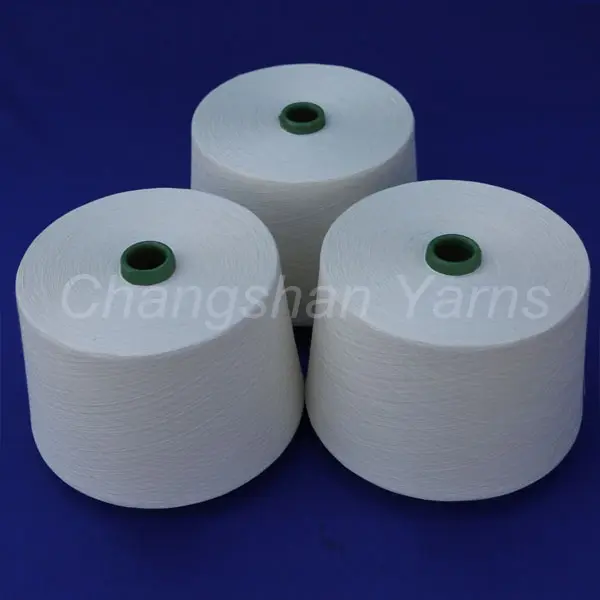
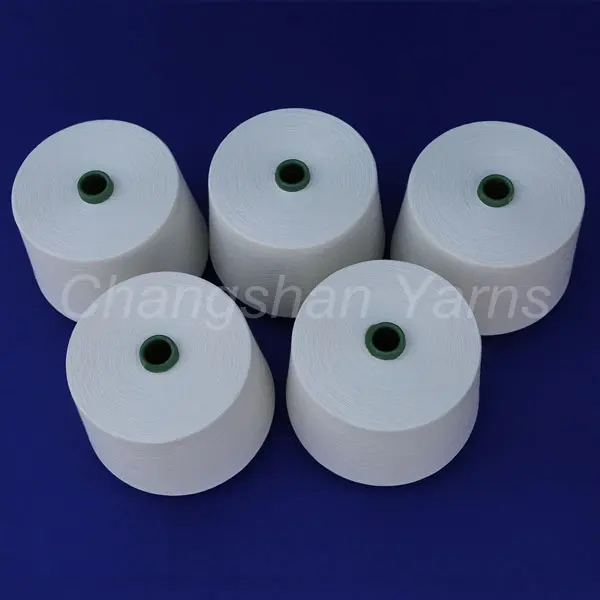
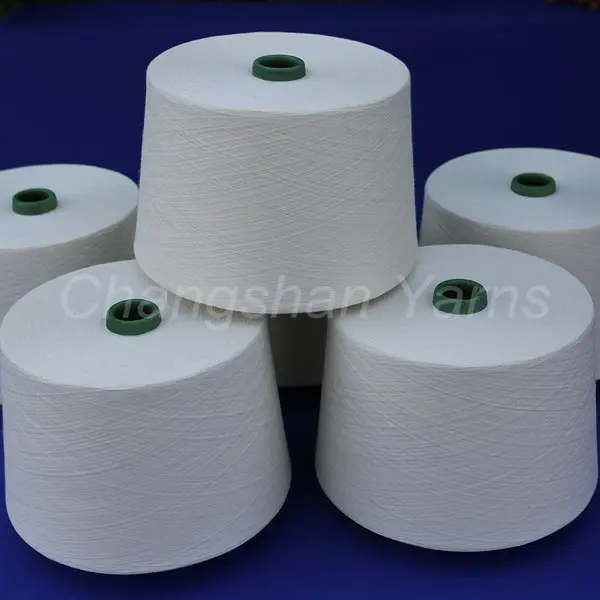
Dyeable polypropylene blend yarns combine the lightweight, moisture-wicking properties of polypropylene with fibers such as cotton, viscose, or polyester, and deliver reliable dyeability. Engineered to accept dyes more uniformly than standard polypropylene—typically difficult to dye due to hydrophobicity—these blends help achieve vibrant, consistent colors for a wide range of textile applications.
Dyeable polypropylene blend yarns combine the lightweight, moisture-wicking properties of polypropylene with fibers such as cotton, viscose, or polyester, and deliver reliable dyeability. Engineered to accept dyes more uniformly than standard polypropylene—typically difficult to dye due to hydrophobicity—these blends help achieve vibrant, consistent colors for a wide range of textile applications.
Product Details
1. Actual Count: Ne24/2
2. Linear Density Deviation per Ne: ±1.5%
3. Cvm (%): 11
4. Thin (−50%): 5
5. Thick (+50%): 20
6. Neps (+200%): 100
7. Hairiness: 6
8. Strength (CN/tex): 16
9. Strength (CV%): 9
10. Application: Weaving, knitting, sewing
11. Package: According to your request.
12. Loading Weight: 20 Ton / 40″ HC
Our Main Yarn Products:
Polyester/viscose blended ring-spun yarn / Siro-spun yarn / compact-spun yarn, Ne20s–Ne80s, single yarn / ply yarn
Polyester/cotton blended ring-spun yarn / Siro-spun yarn / compact-spun yarn, Ne20s–Ne80s, single yarn / ply yarn
100% cotton compact-spun yarn, Ne20s–Ne80s, single yarn / ply yarn
Polypropylene/cotton, Ne20s–Ne50s
Polypropylene/viscose, Ne20s–Ne50s
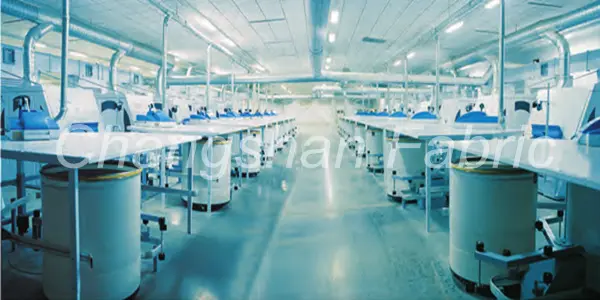
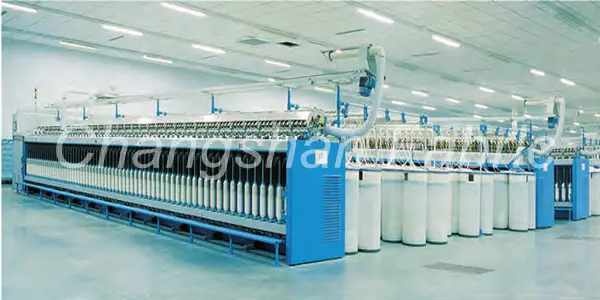
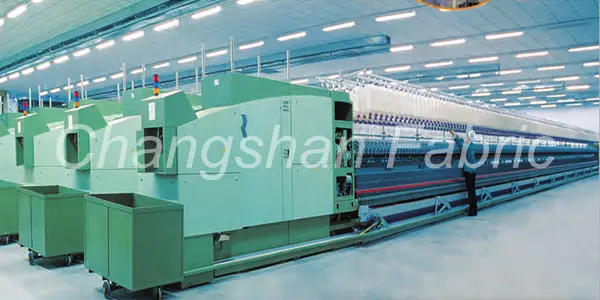
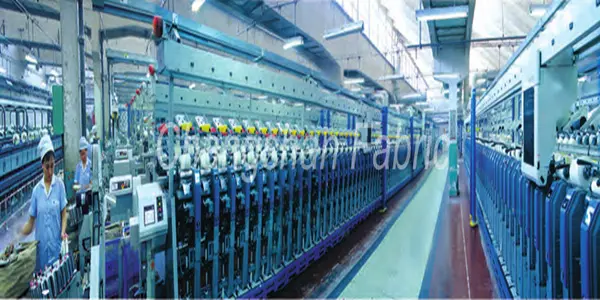
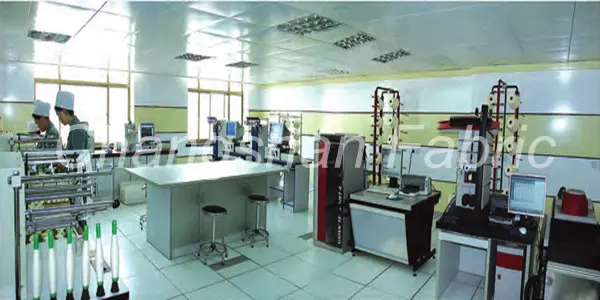
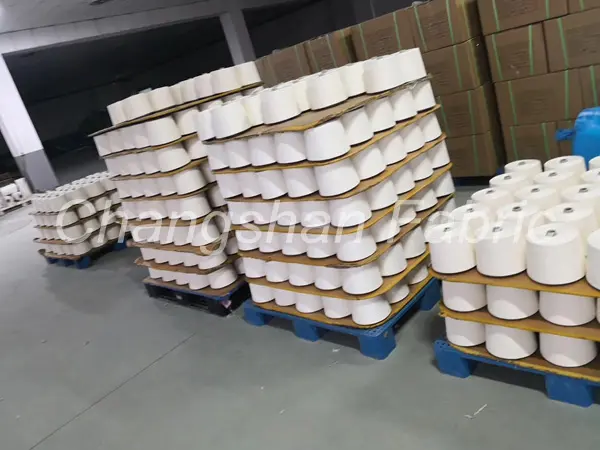
Production Workshop
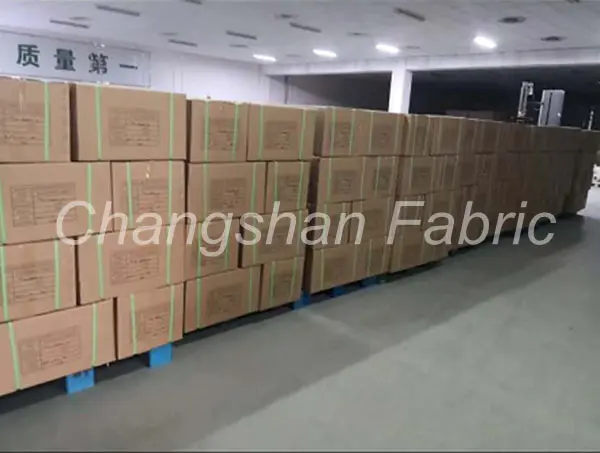
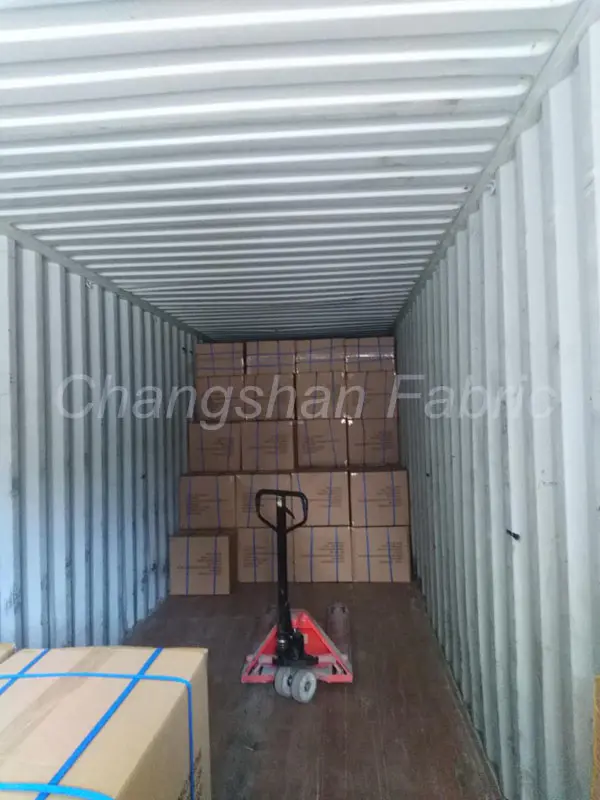
Package and Shipment
Key Benefits of Dyeable Polypropylene Yarn: Lightweight, Moisture-Wicking, and Vibrant Color
Dyeable polypropylene yarn is a standout solution for textile manufacturing, combining essential performance characteristics with vivid, attractive appearance. Its ultra-lightweight properties—approximately 20% lighter than polyester—make it ideal for breathable, non-restrictive apparel. Compared with traditional polypropylene, modern dyeable variants offer improved hydrophilicity, actively wicking moisture away from the skin while maintaining fast-drying performance required for activewear. Advanced dyeing technologies enable rich, colorfast shades without compromising the fiber’s inherent strength, addressing the historical challenge of polypropylene’s limited dyeability. This enables designers to produce technical fabrics with chromatic intensity comparable to cotton or polyester, while delivering superior moisture management and a featherlight hand feel.
Top Applications of Dyeable Polypropylene Blended Yarn in Activewear and Sports Textiles
The sports textile industry is increasingly adopting dyeable polypropylene yarn for its combination of functionality and style. In high-intensity activewear such as running shirts and cycling jerseys, its excellent moisture-transport performance helps keep athletes dry by moving sweat to the fabric surface for evaporation. For yoga and pilates apparel, the yarn’s four-way stretch and lightweight drape allow garments to move naturally with the body. For socks and underwear, the fiber’s natural odor resistance and breathability help prevent bacterial buildup. When blended with spandex, it creates supportive yet comfortable sports bras that retain vibrant colors wash after wash. These advantages make it a strong choice for performance-oriented gear where both technical performance and visual appeal are important.
Why Dyeable Polypropylene Yarn Is a Preferred Choice for Eco-Forward Functional Fabrics
As sustainability becomes a non-negotiable requirement in textiles, dyeable polypropylene yarn offers an environmentally responsible option. It is 100% recyclable, supporting circular fashion models—post-consumer waste can be melted and respun without indefinite quality degradation. Its lower melting point can help reduce energy consumption during production by up to 30% compared with polyester. Many modern dyeable versions also support waterless or low-water dyeing processes, helping conserve thousands of liters of water per batch. In addition, the material’s natural buoyancy and chlorine resistance make it suitable for swimwear that performs over time, while helping reduce microfiber shedding. For brands looking for greener alternatives without sacrificing performance, this yarn bridges ecological responsibility and advanced functionality.