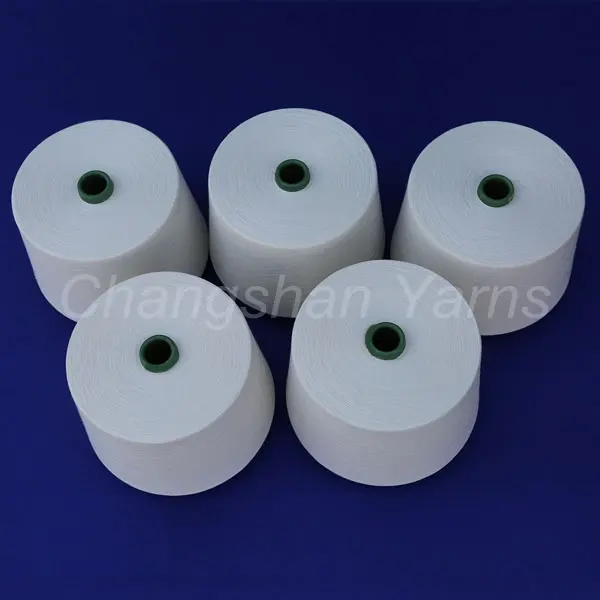
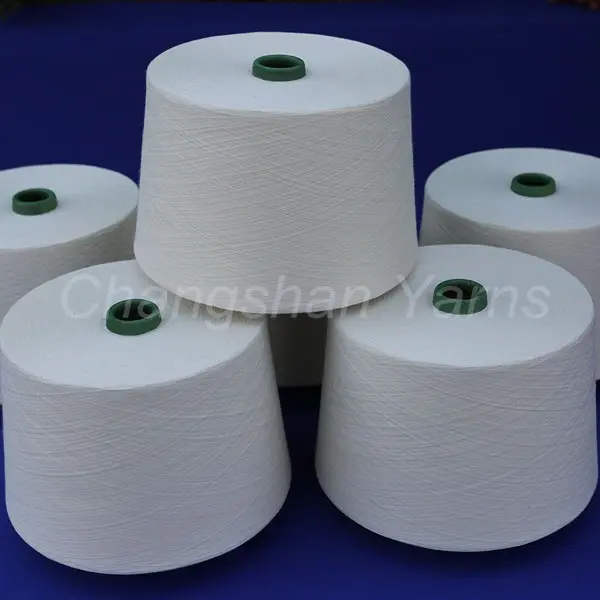
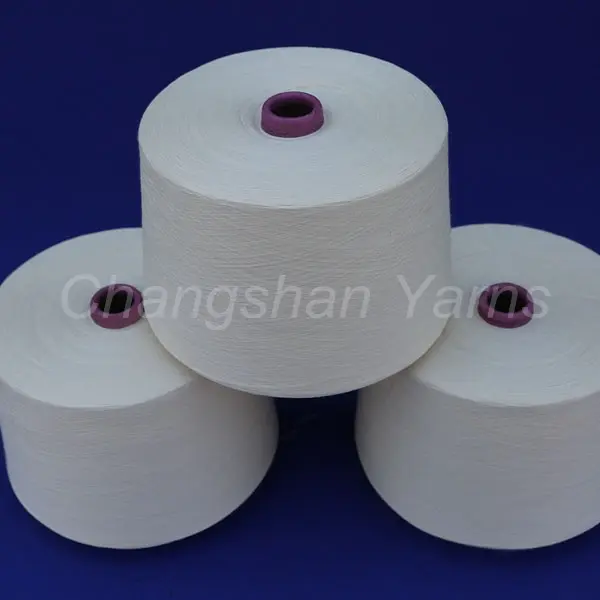
Polypropylene viscose blend yarn (Ne24s) is a ring-spun yarn that combines the lightweight, moisture-resistant properties of polypropylene with the softness and breathability of viscose. The blend produces a versatile yarn for both woven and knitted applications. It is suitable for use where reliable performance and economical cost are required.
Polypropylene viscose blend yarn (Ne24s) is a ring-spun yarn that combines the lightweight, moisture-resistant properties of polypropylene with the softness and breathability of viscose. The blend produces a versatile yarn for both woven and knitted applications. It is suitable for use where reliable performance and economical cost are required.
Viscose/Dyeable Polypropylene Blend Ne24/1 Ring-Spun Yarn
Actual Count: Ne24/1
Linear density deviation per Ne: ±1.5%
Cvm %: 9
Thin (−50%): 0
Thick (+50%): 2
Neps (+200%): 10
Hairiness: 5
Strength (CN/tex): 16
Strength (CV%): 9
Application: Weaving, knitting, sewing
Package: As per your request
Loading weight: 20 Ton / 40" HC
Our main yarn products:
Polyester/viscose blended ring-spun yarn / Siro-spun yarn / compact-spun yarn, Ne20s–Ne80s; single yarn/ply yarn
Polyester/cotton blended ring-spun yarn / Siro-spun yarn / compact-spun yarn, Ne20s–Ne80s; single yarn/ply yarn
Ne20s–Ne80s; single yarn/ply yarn
100% cotton compact-spun yarn, Ne20s–Ne80s; single yarn/ply yarn
Ne20s–Ne80s; single yarn/ply yarn
Polypropylene/cotton, Ne20s–Ne50s
Polypropylene/viscose, Ne20s–Ne50s
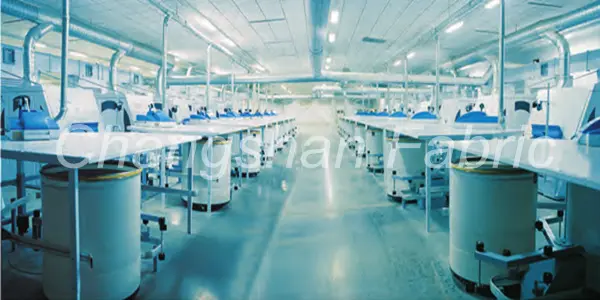
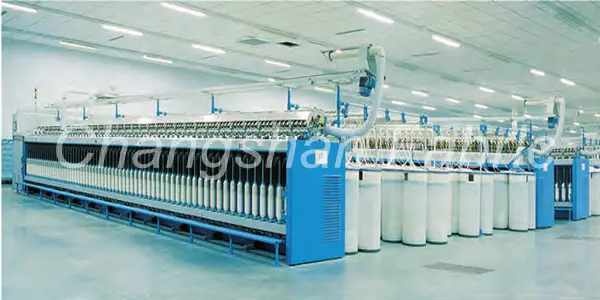
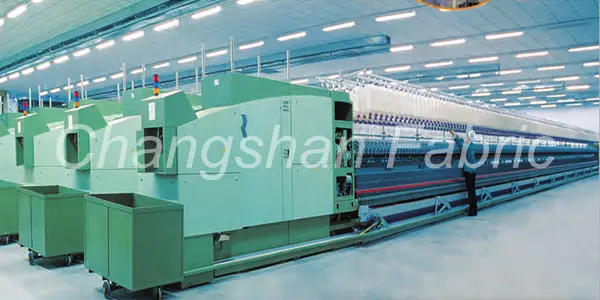
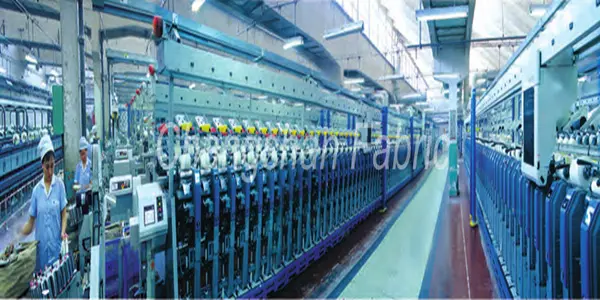
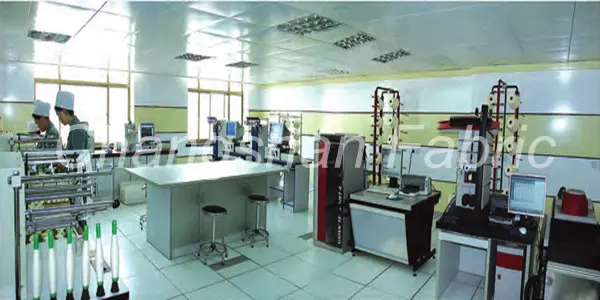
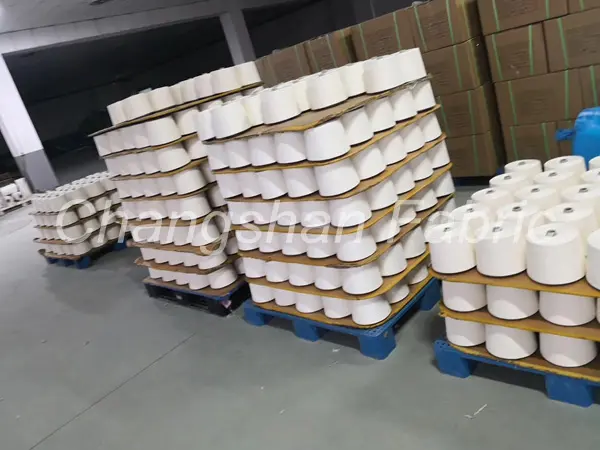
Production workshop
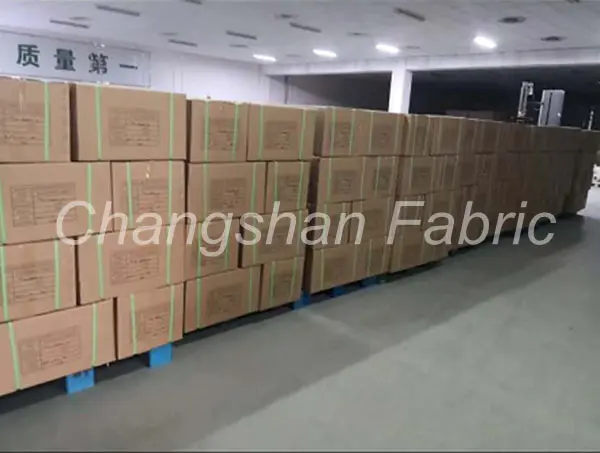
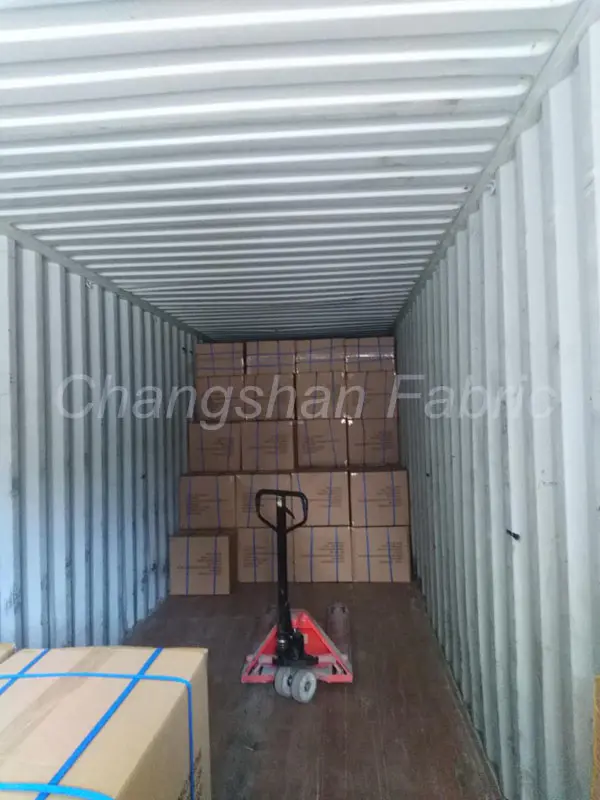
Package and shipment
Why Polypropylene Yarn Is Ideal for Durable and Lightweight Textiles
Polypropylene yarn stands out for its excellent strength-to-weight ratio, making it well suited for performance-focused applications. Unlike heavier fibers, it floats on water while maintaining outstanding tensile strength—an advantage for athletic wear that requires unrestricted movement. As a hydrophobic material, it repels moisture rather than absorbing it, helping keep athletes dry during intense workouts. Its resistance to abrasion supports long service life in high-friction areas such as backpack straps or cycling shorts. Manufacturers also value it for industrial textiles where durability and weight savings are both critical, including bulk container bags and lightweight tarpaulins. As a result, customers can reduce total fabric weight without compromising resilience.
Applications of Polypropylene Yarn in Carpets, Rugs, and Upholstery
The carpet industry increasingly uses polypropylene yarn for its strong resistance to staining and reliable color performance. Unlike natural fibers that can absorb spills, polypropylene’s closed molecular structure repels liquids, making it ideal for high-traffic environments and family homes. The yarn also resists fading from UV exposure, helping maintain vibrant colors in sunlit interiors. Furniture manufacturers value its non-allergenic properties for upholstery, as it does not provide a suitable environment for dust mites or mold. From patterned area rugs to outdoor patio sets, this synthetic fiber delivers practical benefits along with design flexibility at competitive cost.
The Water-Resistant and Quick-Drying Benefits of Polypropylene Yarn
Polypropylene’s inherent water resistance improves performance in technical textiles. The fiber’s molecular structure prevents water absorption, allowing swimwear and marine ropes to dry quickly. This helps avoid the 15–20% weight gain associated with saturated natural fibers, which is important for sailing gear and climbing equipment. Unlike cotton—which can feel heavy and cold when wet—polypropylene helps maintain insulating properties even in wet conditions, supporting use in hunting apparel and fishing nets. Its quick-drying characteristics also help inhibit bacterial growth, reducing odor build-up in repeatedly used items such as gym bags and camping towels.