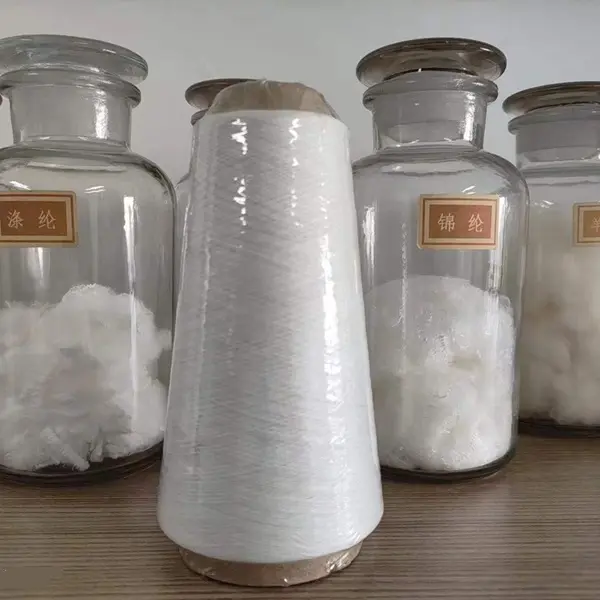
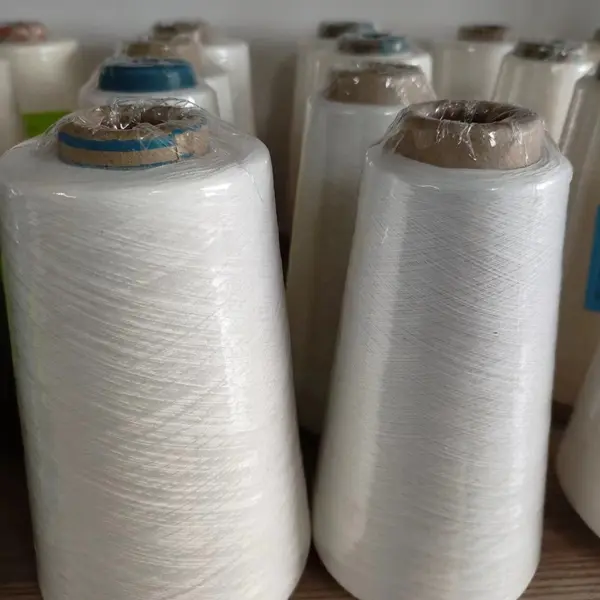
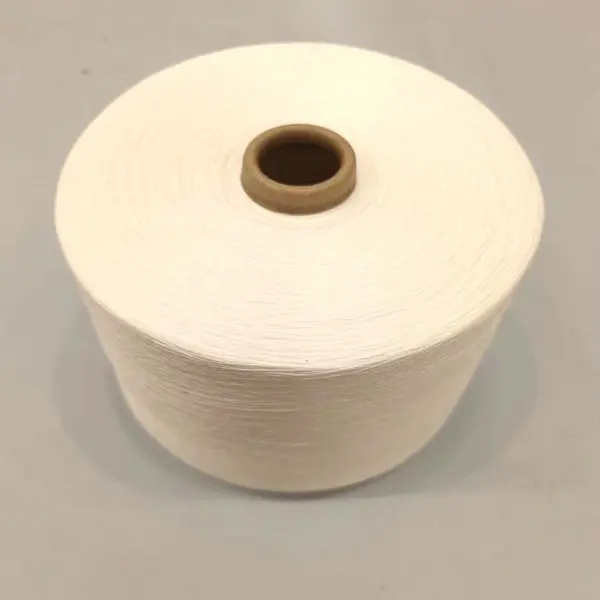
Polypropylene/Cotton yarn is a blended yarn combining polypropylene fibers with natural cotton fibers. It provides lightweight durability, moisture-wicking performance, and natural comfort. Suitable for sportswear, casual apparel, and technical textiles, it is designed for enhanced strength, breathability, and easy-care properties.
Polypropylene/Cotton yarn is a blended yarn combining polypropylene fibers with natural cotton fibers. It provides lightweight durability, moisture-wicking performance, and natural comfort. Suitable for sportswear, casual apparel, and technical textiles, it is designed for enhanced strength, breathability, and easy-care properties.
Product Details | |
| Material | Polypropylene/cotton yarn |
| Yarn Count | Ne30/1 Ne40/1 |
| End Use | For underwear / knitting socks |
| Certificate | |
| MOQ | 1000 kg |
| Delivery Time | 10–15 Days |
Product Name: Polypropylene/cotton yarn
Package: plastic bag inside, cartons
End Use: for underwear, knitting gloves, socks, towels, and clothing
Lead Time: 10–15 Days
FOB Price: Please contact us for the latest price
MOQ: Accept small orders.
Loading Port: Tianjin / Qingdao / Shanghai
Payment Terms: T/T, L/C, etc.
We are a professional supplier of Polypropylene yarn at competitive prices. If you have any needs, please feel free to contact us. Your enquiry or comments will receive our prompt and dedicated attention.
Comparison of Polypropylene Yarn with Other Synthetic Fibers: Advantages and Limitations
Polypropylene has its niche between polyester’s affordability and nylon’s elasticity. It performs better than both in moisture management, but it does not match nylon’s stretch recovery for form-fitting apparel. While it is more chemically resistant than polyester, it has lower heat tolerance, which limits ironing temperatures. The fiber’s lightweight nature makes it advantageous for bulk applications such as agricultural fabrics; however, it is less suitable than aramid fibers for extreme heat conditions. Unlike acrylic, which mimics wool, polypropylene retains a distinctly synthetic feel. For applications that prioritize chemical inertness and buoyancy over drape, polypropylene remains a strong choice.
The Role of Polypropylene Yarn in Outdoor and Sportswear Markets
Outdoor brands use polypropylene’s unique properties for base layers that outperform merino wool in extreme conditions. Its ability to retain thermal performance when wet makes it indispensable for alpine sports, while its non-absorbent nature helps prevent chilling from evaporative cooling. Running apparel leverages polypropylene’s moisture-wicking characteristics to help reduce chafing during endurance events. The fiber’s buoyancy also improves water-safety applications, from life-vest fillings to swim training aids. Recent innovations include hollow-core polypropylene yarns that trap insulating air without adding weight, enabling more effective cold-weather gear for athletes who prioritize performance.
Innovative Uses of Polypropylene Yarn in Eco-Friendly Packaging and Geotextiles
Beyond textiles, polypropylene yarn supports sustainability in unexpected sectors. Woven PP bags can replace single-use plastics for bulk food transport, enduring 100+ trips before recycling. In agriculture, biodegradable-additive treated PP nets protect seedlings without leaving microplastics. Geotextiles woven from UV-stabilized yarn help prevent topsoil loss while allowing water permeability—important for highway embankments and landfill caps. A recent breakthrough involves enzymatic recycling processes that break down polypropylene at the molecular level to support true circularity. These innovations position PP yarn as a valuable contributor to industrial ecology solutions.