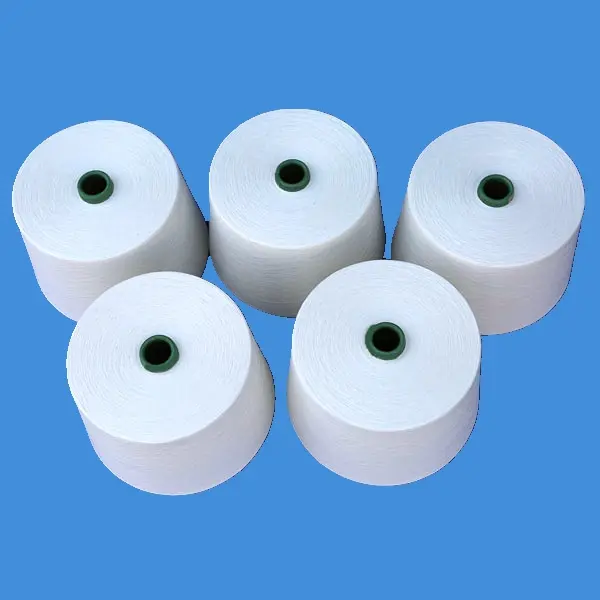
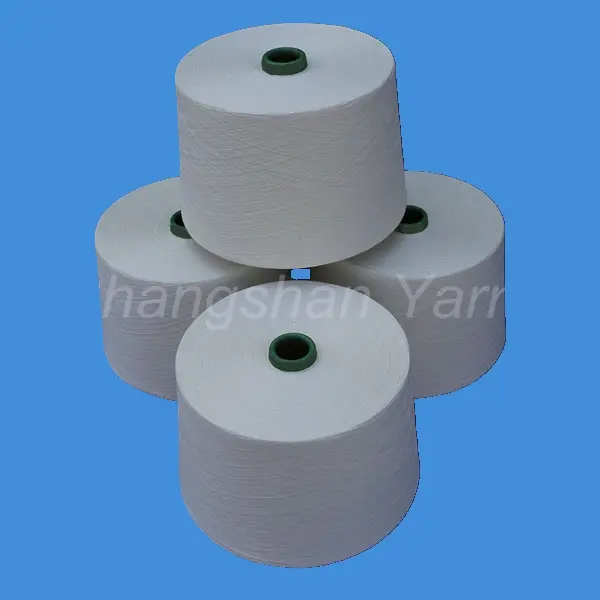
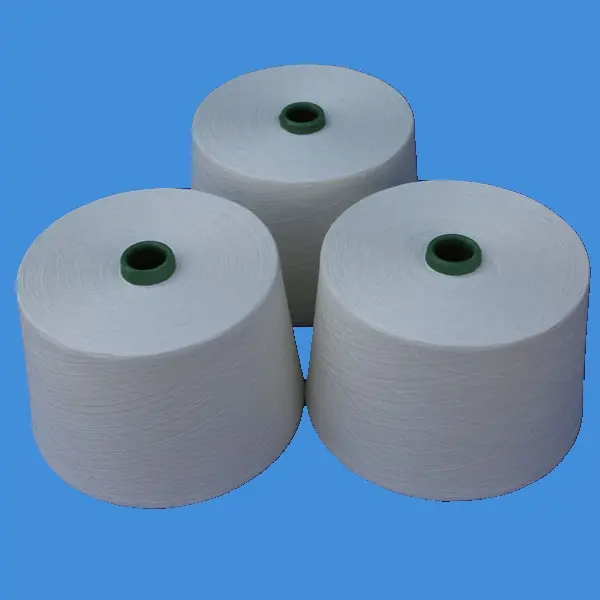
Recycle Polyester Yarn is an environmentally responsible yarn made from 100% recycled polyester fibers, typically sourced from post-consumer PET bottles or post-industrial polyester waste. It delivers performance comparable to virgin polyester while helping reduce environmental impact by conserving resources and minimizing plastic waste.
Recycle Polyester Yarn is an environmentally responsible yarn made from 100% recycled polyester fibers, typically sourced from post-consumer PET bottles or post-industrial polyester waste. It delivers performance comparable to virgin polyester while helping reduce environmental impact by conserving resources and minimizing plastic waste.
Product Detail:
Product Details | |
Material | Recyle polyester yarn |
Yarn Count | Ne16/1, Ne18/1, Ne30/1, Ne32/1, Ne40/1 |
End Use | For garment, bedding, toy, and outdoor applications |
Certificate |
|
MOQ | 1,000 kg |
Delivery Time | 10–15 days |
Recycled vs. Virgin Polyester Yarn: Which Option Is Best for Industrial Sewing?
When selecting yarn for industrial sewing, both recycled (rPET) and virgin polyester deliver high tensile strength (typically 4.5–6.5 g/d). However, key differences become more apparent under production pressures. Virgin polyester may offer slightly better consistency in thread elongation (12–15% vs. rPET’s 10–14%), which can help reduce puckering in precision sewing applications such as micro-stitched seams. That said, today’s recycled yarns are increasingly comparable to virgin fibers in abrasion resistance—an essential factor for high-friction zones such as denim side seams or backpack straps. For customers prioritizing sustainability without compromising performance, rPET’s 30% lower carbon footprint makes it the responsible choice, particularly as recycling technologies continue to close the quality gap.
Applications of Recycled Polyester Yarn in Home Textiles and Apparel Weaving
Recycled polyester yarn is increasingly a core choice for environmentally focused home and fashion textiles. In home applications, its UV resistance and colorfastness make it well suited for curtains and upholstery fabrics exposed to sunlight. In bedding, anti-pilling variants help maintain a clean appearance after repeated laundering. For apparel, rPET performs strongly in woven blazers and trousers, where inherent wrinkle resistance can reduce ironing requirements. Designers also favor it for jacquard weaving, as the yarn’s smooth surface improves pattern clarity in intricate designs. Brands such as IKEA and H&M use these advantages to meet the demand for durable, sustainable textiles across different price segments.
Is Recycled Polyester Yarn Suitable for High-Speed Sewing Machines?
Yes. Engineered for industrial efficiency, recycled polyester yarn delivers reliable performance at sewing speeds exceeding 5,000 RPM. Its low-friction surface—often supported by silicone finishes during recycling—helps prevent thread melting in high-temperature operations such as bartacking. In real-world practice, rPET threads show breakage rates of <0.3% compared with a 0.5% industry reference value, helping minimize production downtime. Major denim manufacturers report successful use of rPET topstitching threads at 8 stitches per millimeter without compromising seam integrity. For factories transitioning to sustainable materials, rPET provides a drop-in solution that maintains productivity while supporting ESG objectives.