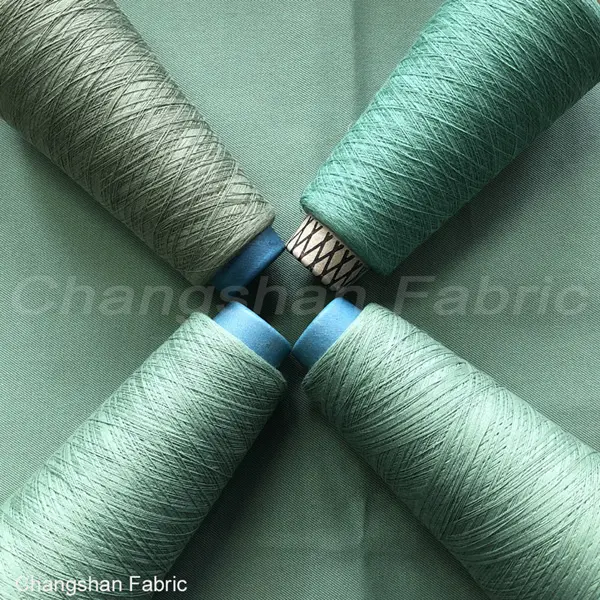
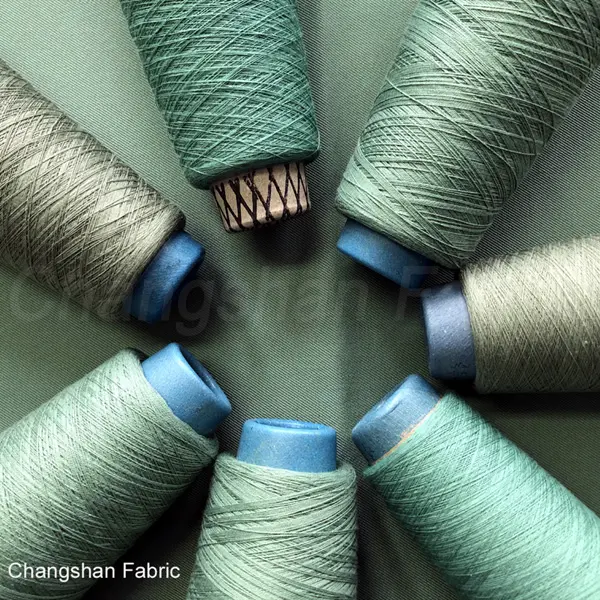
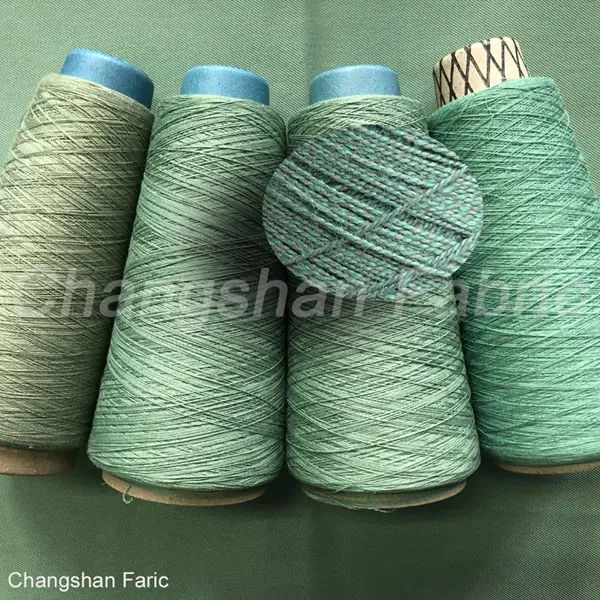
Yarn-dyed fabrics are made by dyeing the yarns before weaving or knitting, creating vibrant, long-lasting color and strong colorfastness. The process also supports intricate patterns directly in the fabric, including stripes, plaids, checks, and other designs, with a rich texture and versatile design options.
Yarn-dyed fabrics are made by dyeing the yarns before weaving or knitting, creating vibrant, long-lasting color and strong colorfastness. The process also supports intricate patterns directly in the fabric, including stripes, plaids, checks, and other designs, with a rich texture and versatile design options.
Product Detail:
1. Spinning type: Siro spun
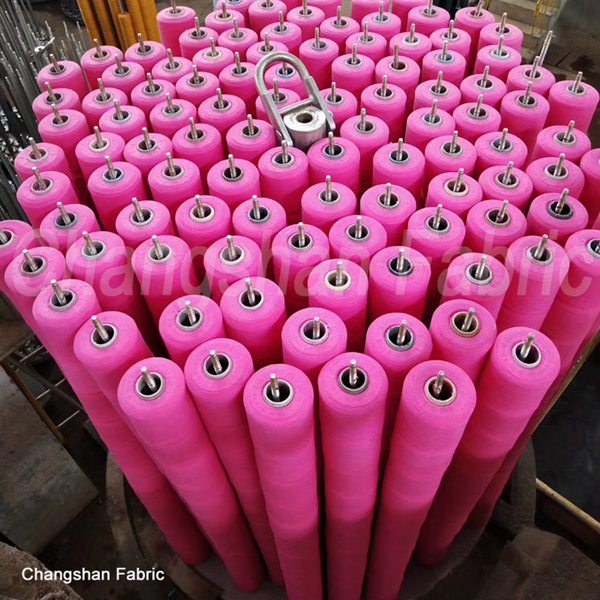
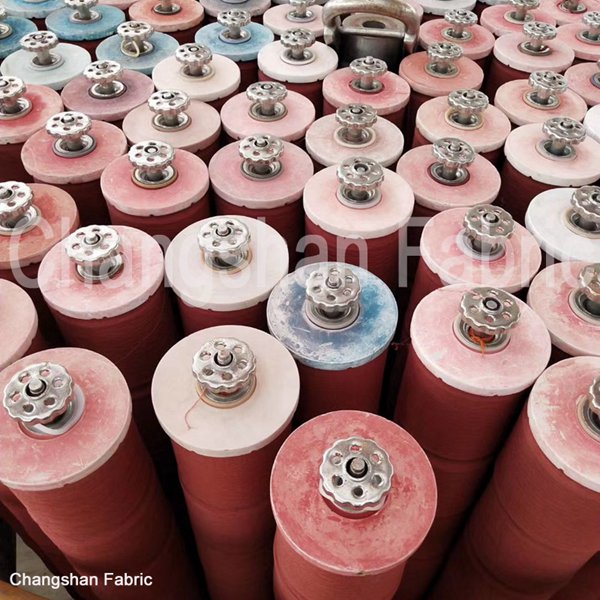
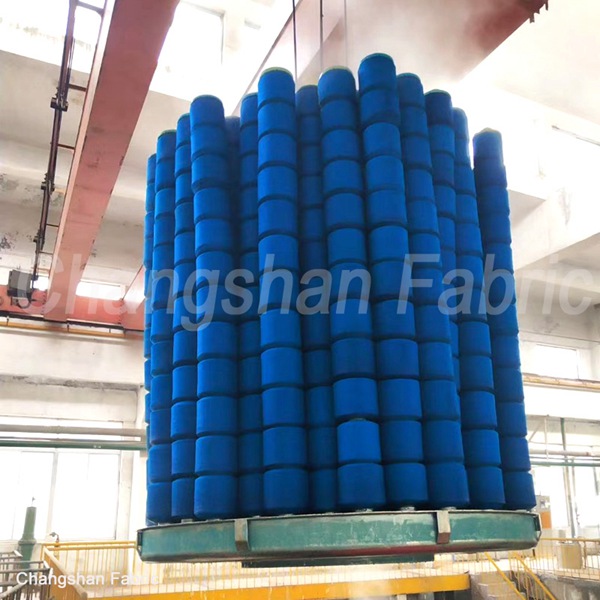
2. Dyeing method: Cone dyeing
3. Twist: For woven use
4. Colour fastness to artificial light — ISO 105-B02:2014 (Degrade: 5–6)
5. Colour fastness to water — ISO 105-E01:2013 (Degrade: 4–5; Discharge: 4–5)
6. Colour fastness to washing — ISO 105-C06:2010 (Degrade: 4–5; Discharge: 4–5)
7. Colour fastness to crocking — ISO 105-X12:2016 (Degrade: 4–5; Discharge: 4–5)
8. Colour fastness to perspiration — ISO 105-A01:2010 (Degrade: 4–5; Discharge: —)
9. Sized with high-temperature steam
10. Application/End Use: Suitable for workwear and uniform fabrics
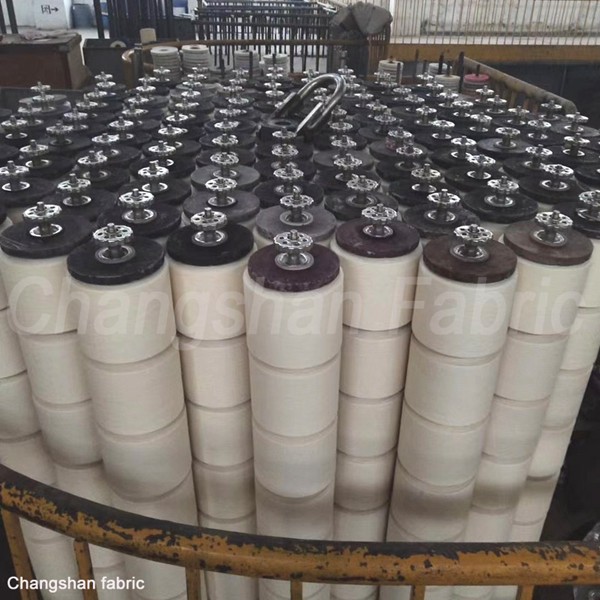
What Is Reactive Dyed Yarn? Key Features That Make It Ideal for High-Quality Textiles
Reactive dyed yarn is produced through a chemical bonding process in which dye molecules form covalent bonds with fibre polymers, creating permanent coloration. Unlike surface-level dyeing, this molecular integration delivers outstanding colour vibrancy and wash-fastness. The technology performs particularly well on cellulose-based fibres such as cotton and rayon, where hydroxyl groups in the fibres react with dye compounds under alkaline conditions. In addition to excellent brilliance, reactive dyes help preserve yarn performance: the chemical bonding supports fibre porosity, maintaining 15–20% better moisture absorption than pigment-dyed alternatives. This makes reactive dyed yarn a preferred choice for premium textiles where long-lasting colour depth and wearer comfort are essential.
Why Reactive Dyed Yarn Is an Excellent Choice for Colourfast Garments
The covalent bonding in reactive dyed yarn provides strong colour retention, achieving ISO 4–5 ratings for wash and light fastness—an important requirement for uniforms, towels, and children’s wear that experience frequent laundering. Unlike direct dyes that mainly coat fibres, reactive dyes become part of the molecular structure, helping resist fading from detergents, chlorine, or UV exposure. Testing indicates that reactive-dyed cotton retains 90%+ colour intensity after 50 industrial washes, outperforming vat-dyed alternatives by 30%. Brands focused on durability—ranging from Eileen Fisher to luxury hotel linens—use this technology to help maintain product appearance over extended use.
Reactive vs Disperse vs Vat Dyeing – Which Dyed Yarn Is Right for Your Textile Project?
Each dyeing method is designed for specific fibre types and performance requirements. Reactive dyeing is the standard for natural fibres (cotton, linen, and rayon), offering permanent molecular bonding and superior colour clarity. Disperse dyes, although cost-effective for polyester, require high temperatures (130°C+) and do not provide the same moisture- and breathability-related benefits as reactive dyes. Vat dyes can provide excellent light fastness but require toxic reducing agents and offer a more limited colour range. For designers working with plant-based fibres, reactive dyeing is often the preferred option: it supports a more eco-favourable profile (low-metal formulations are available) and enables deep shade penetration, facilitating intricate ombrés and heather effects that are difficult to achieve with other methods.