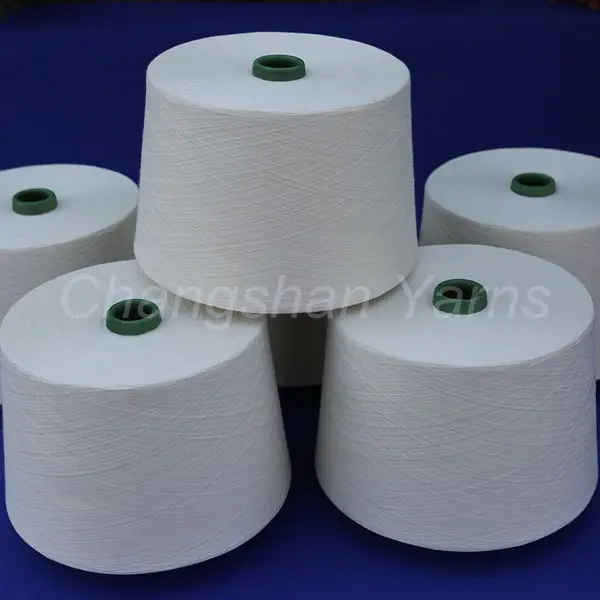
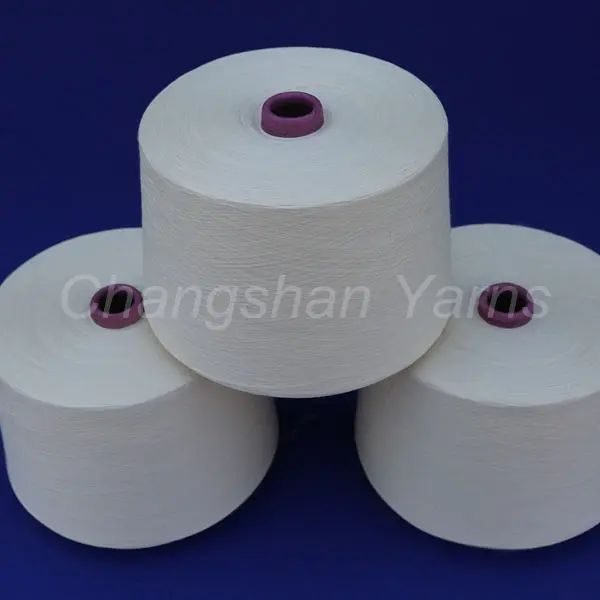
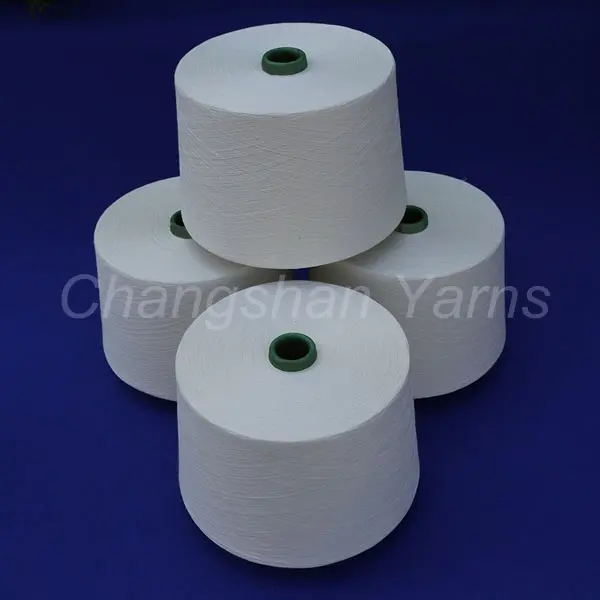
TR Yarn (polyester viscose blend yarn) in Ne20s siro spun form is a high-strength, low-pilling yarn made using the Siro spinning process. Blending polyester and viscose rayon, it combines polyester’s durability and wrinkle resistance with viscose’s softness and moisture absorption. Suitable for high-quality woven fabrics that need enhanced smoothness and reduced yarn hairiness.
TR Yarn (polyester viscose blend yarn) in Ne20s siro spun form is a high-strength, low-pilling yarn made using the Siro spinning process. Blending polyester and viscose rayon, it combines polyester’s durability and wrinkle resistance with viscose’s softness and moisture absorption. Suitable for high-quality woven fabrics that need enhanced smoothness and reduced yarn hairiness.
65% Polyester, 35% Viscose — Ne20/1 Siro Spinning Yarn
Actual Count: Ne20/1 (Tex 29.5)
Linear density deviation per Ne: ±1.5%
Cvm %: 8.23
Thin (−50%): 0
Thick (+50%): 2
Neps (+200%): 3
Hairiness: 4.75
Strength (cN/tex): 31
Strength CV%: 8.64
Application: Weaving, knitting, sewing
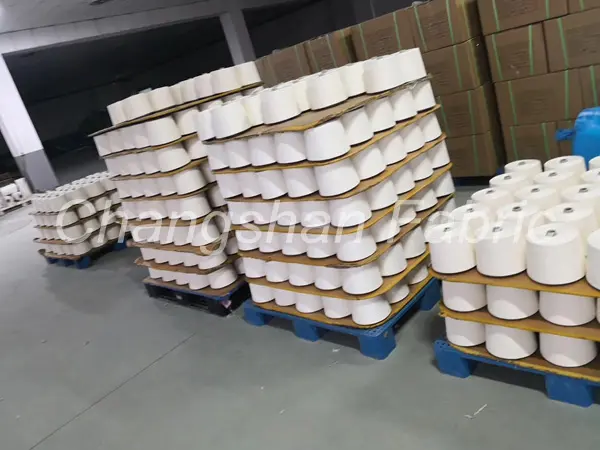
Package: According to your request
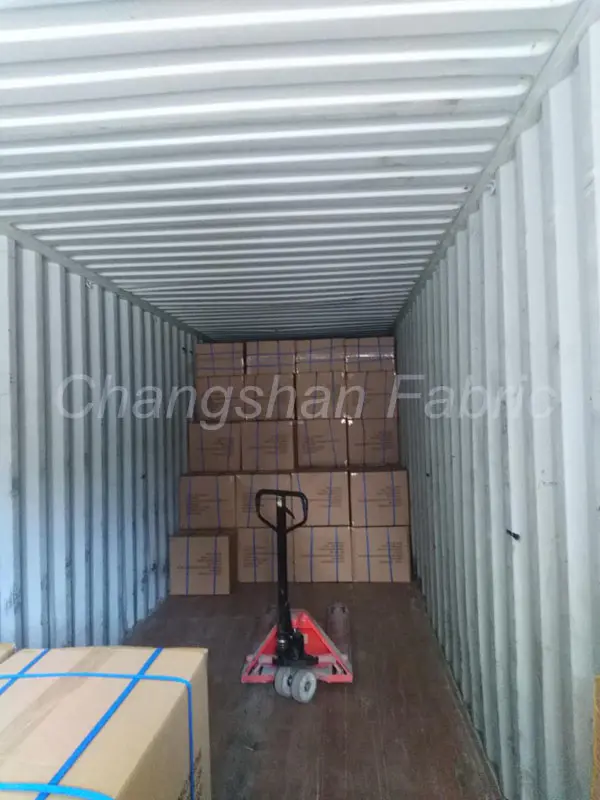
Loading weight: 20 tons/40′ HC
Fiber: Lenzing viscose
Our main yarn products:
Polyester/viscose blended ring spun yarn / Siro spun yarn / Compact spun yarn — Ne20s to Ne80s; single yarn / ply yarn
Polyester/cotton blended ring spun yarn / Siro spun yarn / Compact spun yarn
Ne20s to Ne80s; single yarn / ply yarn
100% cotton compact spun yarn
Ne20s to Ne80s; single yarn / ply yarn
Polypropylene/cotton — Ne20s to Ne50s
Polypropylene/viscose — Ne20s to Ne50s
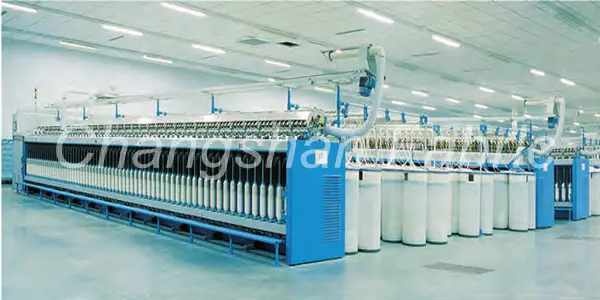
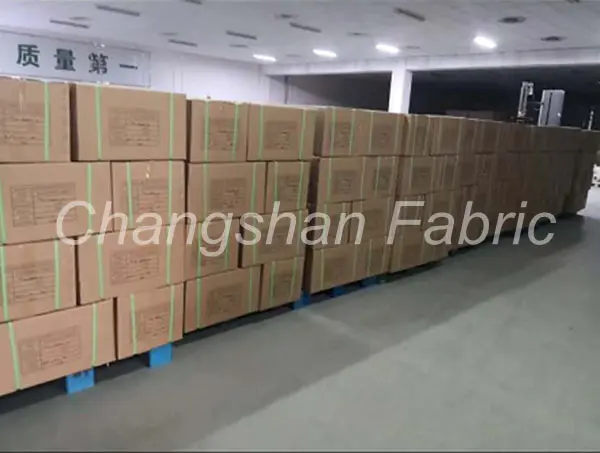
Production workshop

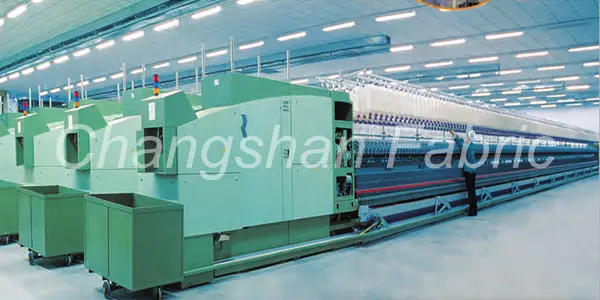
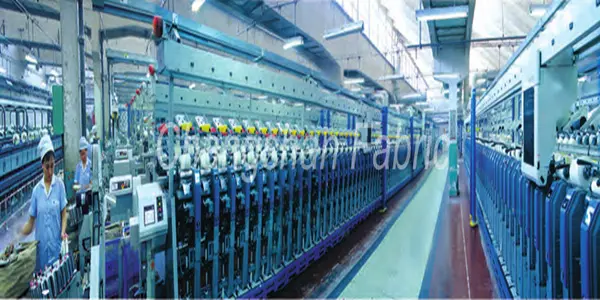
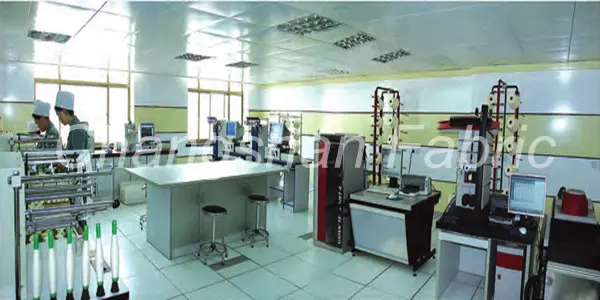
Package and shipment
What Is TR Yarn and Why Is It Popular in Fashion and Apparel?
TR yarn is a blend of polyester (Terylene) and rayon (viscose). It combines the best qualities of both fibers: polyester’s durability and rayon’s softness. This hybrid yarn has gained popularity in fashion and apparel due to its versatility, cost-effectiveness, and balanced performance. Polyester delivers strength and wrinkle resistance, while rayon provides breathability and a smooth, silky drape. TR fabrics are widely used in dresses, shirts, skirts, and suits because they offer a premium hand feel without the high cost associated with natural fibers such as cotton or wool. In addition, TR yarn is easy to dye and easy to maintain, making it a preferred choice for both manufacturers and consumers.
The Advantages of TR Yarn in Blended Fabric Production
TR yarn provides an ideal balance between polyester resilience and rayon comfort, making it a strong option for blended fabrics. The polyester component contributes high tensile strength, helping to reduce fabric wear and tear, while rayon enhances moisture absorption to keep the wearer cool and comfortable. This combination also improves drapability, enabling garments to maintain a structured yet fluid silhouette. Compared with pure polyester, which can feel stiff, or pure rayon, which wrinkles easily, TR yarn offers a middle ground: durable yet soft, wrinkle-resistant yet breathable. As a result, it is suitable for everyday wear, workwear, and even activewear.
TR Yarn vs. Polyester and Rayon: Which Yarn Offers the Best of Both Worlds?
While polyester is valued for its durability and rayon for its softness, TR yarn combines these strengths while reducing their limitations. Pure polyester can feel stiff and may offer lower breathability, whereas pure rayon wrinkles easily and can lose shape when wet. TR yarn retains polyester’s resistance to stretching and shrinking while incorporating rayon’s moisture-wicking properties and silky texture. This makes it more comfortable for extended wear than polyester and more durable than rayon. For customers looking for a fabric that is both sturdy and pleasant against the skin, TR yarn is an excellent choice.