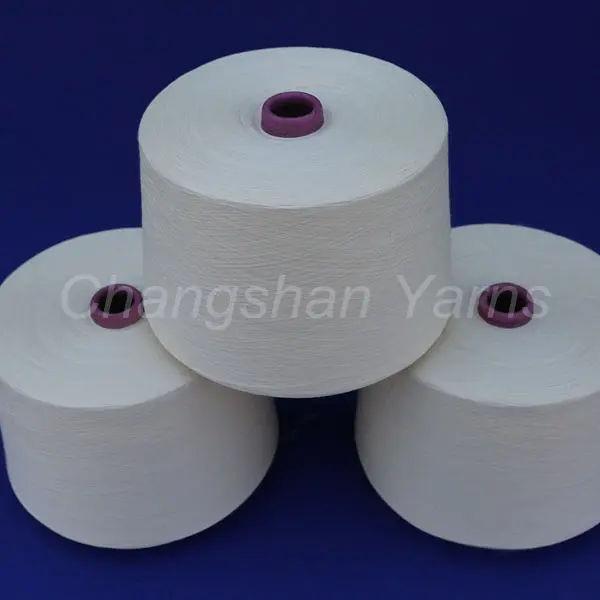
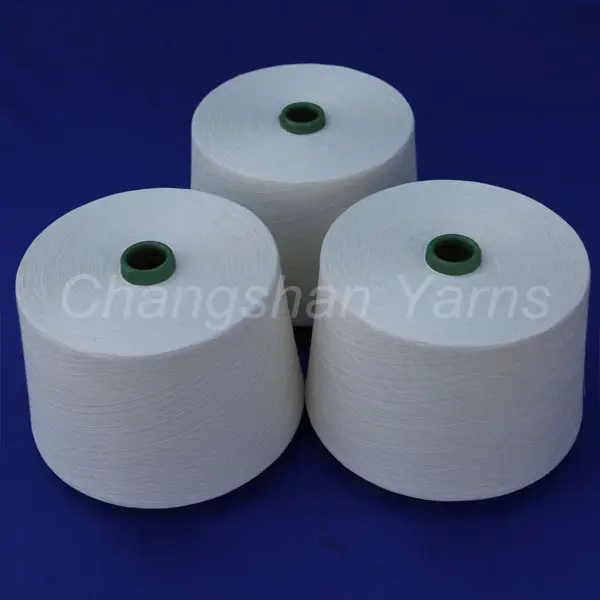
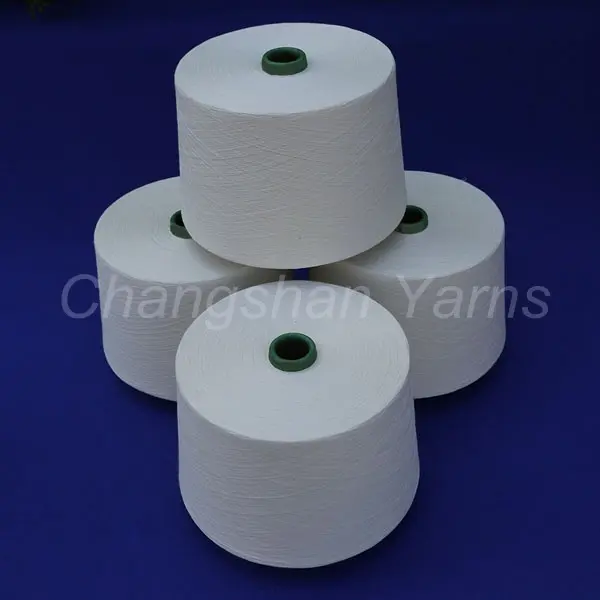
TR Yarn (Terylene Rayon Yarn), also known as a Polyester-Viscose Blend Yarn, is a high-performance spun yarn that combines the strength of polyester (Terylene) with the softness and moisture absorption of viscose rayon. The Ne32s ring spun variant is medium-fine and suitable for high-quality woven and knitted fabrics for fashion, home, and uniform applications.
TR Yarn (Terylene Rayon Yarn), also known as a Polyester-Viscose Blend Yarn, is a high-performance spun yarn that combines the strength of polyester (Terylene) with the softness and moisture absorption of viscose rayon. The Ne32s ring spun variant is medium-fine and suitable for high-quality woven and knitted fabrics for fashion, home, and uniform applications.
65% Polyester / 35% Viscose NE32/2 Ring Spun Yarn
Actual Count: Ne32/2
Linear density deviation per Ne: ±1.5%
Cvm %: 8.42
Thin (−50%): 0
Thick (+50%): 0.3
Neps (+200%): 1
Hairiness: 8.02
Strength (CN/tex): 27
Strength CV%: 8.64
Application: Weaving, knitting, sewing
Package: According to your request
Loading weight: 20 Ton / 40" HC
Fiber: Lenzing viscose
Our main yarn products:
Polyester/Viscose blended ring spun yarn / Siro spun yarn / Compact spun yarn — Ne20s–Ne80s — single yarn / ply yarn
Polyester/Cotton blended ring spun yarn / Siro spun yarn / Compact spun yarn
Ne20s–Ne80s — single yarn / ply yarn
100% Cotton compact spun yarn
Ne20s–Ne80s — single yarn / ply yarn
Polypropylene/Cotton — Ne20s–Ne50s
Polypropylene/Viscose — Ne20s–Ne50s
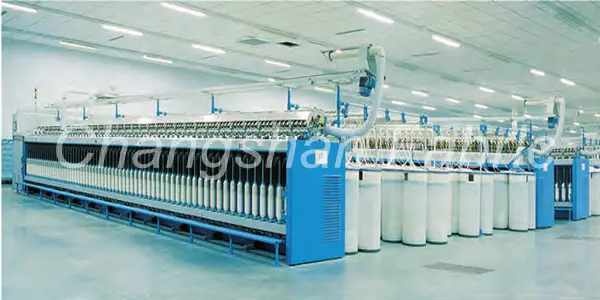
Production workshop

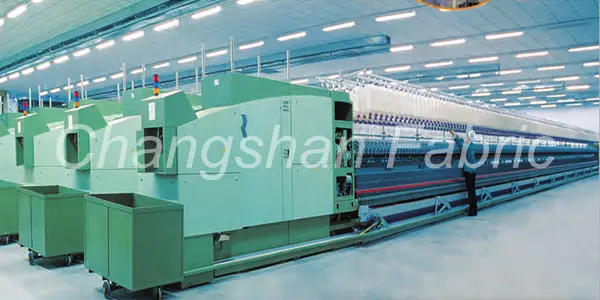
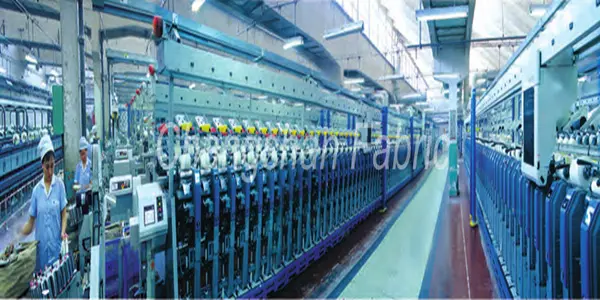
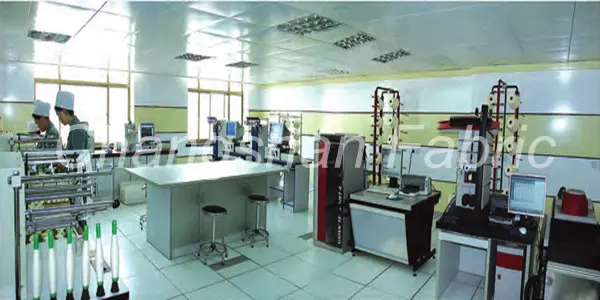
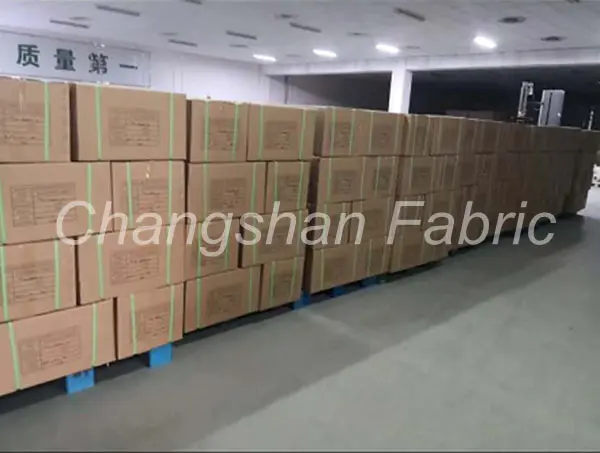
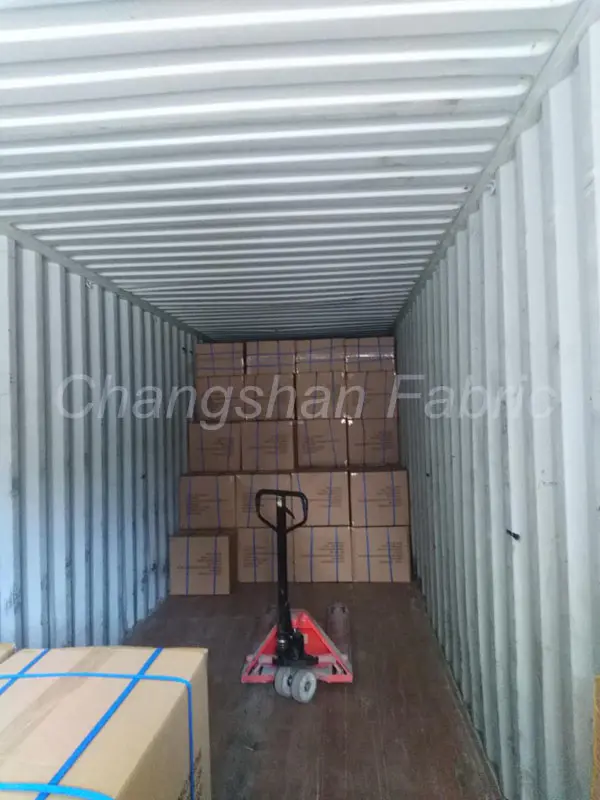
Package and shipment
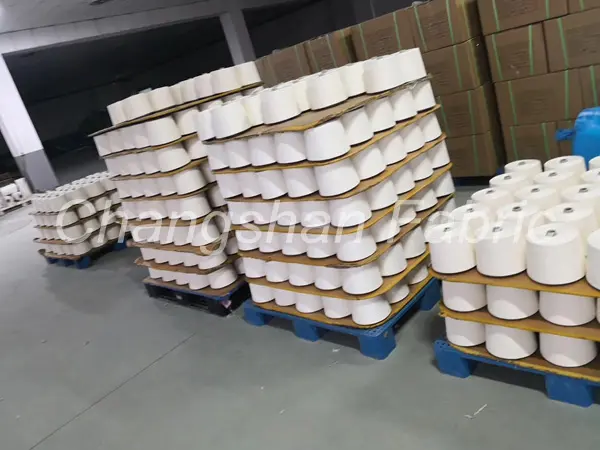
What Is TR Yarn and Why Is It So Popular?
TR Yarn refers to a textile yarn made from a blend of polyester (T) and rayon (R) fibers. This combination has become one of the most widely used yarns in the apparel industry because it balances durability with comfort. Polyester contributes strength, wrinkle resistance, and dimensional stability, while rayon provides softness, moisture absorption, and an elegant drape. Together, these fibers help fabrics perform well in both casual and professional clothing.
Compared with 100% cotton yarn, TR Yarn generally offers better abrasion resistance and lower shrinkage after washing. It also dries more quickly and maintains its appearance even after repeated use. These advantages make it a preferred material for manufacturers producing uniforms, business wear, trousers, school apparel, and fashion garments.
For textile mills, TR Yarn also provides stable processing performance during weaving and knitting. The consistent fiber blend helps reduce yarn breakage, improves production efficiency, and delivers fabrics with a smooth surface suitable for dyeing and finishing.
As global demand continues to grow for comfortable yet durable fabrics, TR Yarn remains a practical solution for brands seeking reliable quality without significantly increasing production costs. Whether the final product is woven or knitted, TR Yarn offers an excellent balance of appearance, performance, and value.
Why Choose Ring Spun Yarn Instead of Open-End Yarn?
Ring spun yarn is widely recognized for producing fabrics with a smoother hand feel, higher strength, and a better overall appearance than open-end yarn. During ring spinning, fibers are continuously drafted, twisted, and wound, resulting in a compact yarn structure with excellent fiber alignment.
One of the biggest advantages is fabric quality. Ring spun yarn produces fewer loose fibers on the fabric surface, which reduces pilling and helps achieve a cleaner finish. The tighter fiber arrangement also improves tensile strength, making fabrics more resistant to daily wear and repeated washing.
Another important benefit is comfort. Fabrics made from ring spun yarn are generally softer against the skin, making them suitable for shirts, uniforms, knitwear, and premium apparel where comfort is a key purchasing priority.
Although open-end yarn can be more economical for certain applications, ring spun yarn is often preferred when manufacturers require higher-end fabrics with improved durability, finer texture, and enhanced appearance. This makes it particularly suitable for export garments, where buyers place greater emphasis on product consistency and long-term performance.
For TR blended yarns, the ring spinning process further enhances the advantages of polyester and rayon fibers by producing a yarn that combines smoothness, strength, and excellent weaving efficiency—making it a preferred choice for international garment manufacturers.
What Is TR Ring Spun Yarn Used For?
TR ring spun yarn is highly versatile and supports a wide range of textile applications across both fashion and industrial sectors. Thanks to its balanced fiber composition, it is suitable for producing both woven and knitted fabrics.
One of its primary applications is business apparel, including shirts, trousers, skirts, and office uniforms. The polyester component helps garments retain their shape and resist wrinkles, while rayon provides softness and an attractive drape.
The yarn is also widely used in school uniforms and workwear. These garments require excellent durability because they experience frequent washing and daily wear. Ring spun construction provides higher yarn strength, helping fabrics maintain their appearance over time.
In casual fashion, TR ring spun yarn is commonly used for T-shirts, dresses, lightweight jackets, and knit tops. Designers value its smooth texture, consistent dyeing performance, and ability to produce fabrics with a refined finish.
Beyond apparel, some manufacturers also use TR yarn for home textiles, including decorative fabrics, curtain materials, and upholstery fabrics—where durability and appearance are equally important.
Because of its excellent spinning consistency and processing stability, TR ring spun yarn is compatible with modern weaving and knitting equipment, making it an efficient solution for large-scale textile production.
How to Choose the Right TR Yarn Count for Your Fabric?
Selecting the correct yarn count is one of the most important decisions when developing textile products, as it directly influences fabric weight, texture, durability, and production cost.
Lower yarn counts generally produce thicker and stronger fabrics, which are suitable for workwear, uniforms, and heavy-duty textiles. Higher yarn counts create finer, lighter fabrics with a softer feel, making them ideal for premium shirts, dresses, and fashion apparel.
Ne32S is considered a versatile specification because it offers an excellent balance between strength and comfort. Fabrics produced from this yarn count provide sufficient durability for everyday use while maintaining a smooth surface and comfortable hand feel.
Manufacturers should also consider weaving density, finishing processes, and the intended end use when selecting yarn count. A well-matched yarn specification improves fabric performance, helps minimize production defects, and supports consistent quality throughout manufacturing.
Working with an experienced yarn supplier can further simplify the selection process by ensuring stable quality, consistent batch production, and customized specifications that match specific fabric requirements.
Why Global Garment Manufacturers Prefer TR Ring Spun Yarn
Modern garment manufacturers need materials that combine quality, efficiency, and cost control. TR ring spun yarn meets these requirements by delivering consistent spinning performance together with reliable fabric properties.
Its balanced polyester-rayon composition provides durability without sacrificing comfort, making it suitable for both mass production and premium apparel collections. During weaving and knitting, the yarn demonstrates stable strength and uniformity, helping reduce yarn breakage and improve manufacturing efficiency.
For international buyers, consistency is often just as important as price. Reliable yarn quality helps fabrics maintain uniform color, texture, and mechanical performance across different production batches, reducing quality control issues during garment manufacturing.
In addition, ring spun TR yarn supports a wide range of finishing techniques, including reactive dyeing, printing, brushing, and wrinkle-resistant treatments. This flexibility enables manufacturers to produce garments that meet changing fashion trends and market demands.
Whether supplying fashion brands, uniform manufacturers, or textile mills, high-quality TR ring spun yarn provides a dependable foundation for producing fabrics that combine durability, comfort, and long-term value—making it a preferred choice in today’s competitive textile industry.
What Makes Ring Spun Yarn Superior for Soft and Durable Fabrics?
Ring spun yarn is renowned for its exceptional softness and durability, thanks to its unique manufacturing process. Unlike conventional yarns, ring spinning involves twisting and thinning the fiber strand multiple times, creating a finer, more uniform yarn. This meticulous process aligns the fibers parallel to each other, resulting in a smoother and stronger yarn. The tight twist helps reduce pilling and fraying, enhancing the fabric’s longevity. In addition, the yarn’s structure supports better breathability and moisture absorption, making it ideal for comfortable, high-quality textiles. Together, these qualities ensure fabrics made from ring spun yarn feel luxurious against the skin while maintaining their integrity over time.
Applications of Ring Spun Yarn in High-Quality T-Shirts and Apparel
Ring spun yarn is a staple in premium apparel, particularly in high-end T-shirts and everyday clothing. Its fine, tightly twisted fiber strand produces fabrics that are exceptionally soft, lightweight, and resistant to wear. Brands favor this yarn for T-shirts because it creates a smooth surface that enhances print clarity and vibrancy, making it ideal for graphic tees. Beyond T-shirts, ring spun yarn is used in dresses, underwear, and loungewear, where comfort and durability are essential. The yarn’s ability to retain shape and resist shrinkage also helps garments maintain their fit and appearance even after repeated washing.
The Environmental Benefits of Using Ring Spun Cotton Yarn
Ring spun cotton yarn supports sustainability by reducing waste and extending the lifespan of garments. Because the yarn is stronger and less prone to pilling, clothing lasts longer, reducing the frequency of replacement. In addition, the ring spinning process generates less fiber waste compared with other methods, aligning with eco-friendly production practices. When organic cotton is used, the environmental benefits are further amplified, as it avoids harmful pesticides and promotes soil health. By choosing ring spun yarn, manufacturers and consumers support a more sustainable textile industry that prioritizes longevity and reduced environmental impact.
What is TR yarn?
TR yarn is a blended yarn made from polyester (T) and rayon (R) fibers. Polyester provides strength, wrinkle resistance, and durability, while rayon adds softness, moisture absorption, and a smooth drape. This combination makes TR yarn a popular choice for garments that require both comfort and long-lasting performance.
What does Ne32S mean in TR yarn?
Ne32S refers to the yarn count in the English cotton count system. It indicates a medium-fine yarn suitable for producing lightweight to medium-weight woven and knitted fabrics. Ne32S is commonly used for shirts, trousers, uniforms, dresses, and fashion apparel.
Why choose ring spun TR yarn?
Ring spun TR yarn has a more compact fiber structure than open-end yarn, resulting in higher strength, a smoother surface, reduced pilling, and improved fabric appearance. It is ideal for manufacturers seeking premium-quality fabrics with excellent durability and comfort.
What is TR yarn used for?
TR yarn is widely used in woven and knitted textiles, including business suits, school uniforms, workwear, trousers, shirts, dresses, jackets, knitwear, and home textile fabrics. Its balanced performance makes it suitable for both everyday clothing and professional apparel.
Is TR yarn better than 100% cotton yarn?
Each yarn has its own advantages. TR yarn offers better wrinkle resistance, dimensional stability, and abrasion resistance than cotton, while cotton provides greater natural breathability. For uniforms, business wear, and garments requiring easy maintenance, TR yarn is often the preferred option.
Can TR ring spun yarn be dyed?
Yes. TR ring spun yarn has excellent dyeing performance and can be dyed into a wide range of colors with good color consistency. The smooth yarn structure also helps achieve an even fabric appearance after dyeing and finishing.
Is TR yarn suitable for weaving and knitting?
Yes. High-quality TR ring spun yarn is designed for both weaving and knitting applications. Its consistent yarn evenness and tensile strength help reduce yarn breakage during production, improving manufacturing efficiency.
How do I choose the right TR yarn supplier?
When selecting a TR yarn supplier, consider product consistency, yarn count availability, production capacity, quality certifications, and export experience. A reliable supplier should provide stable batch quality, customized specifications, and technical support to meet different fabric requirements. Consistent quality and dye-lot control are also important considerations for textile manufacturers.